Structural Deficits and the San Siro Pressure Cooker
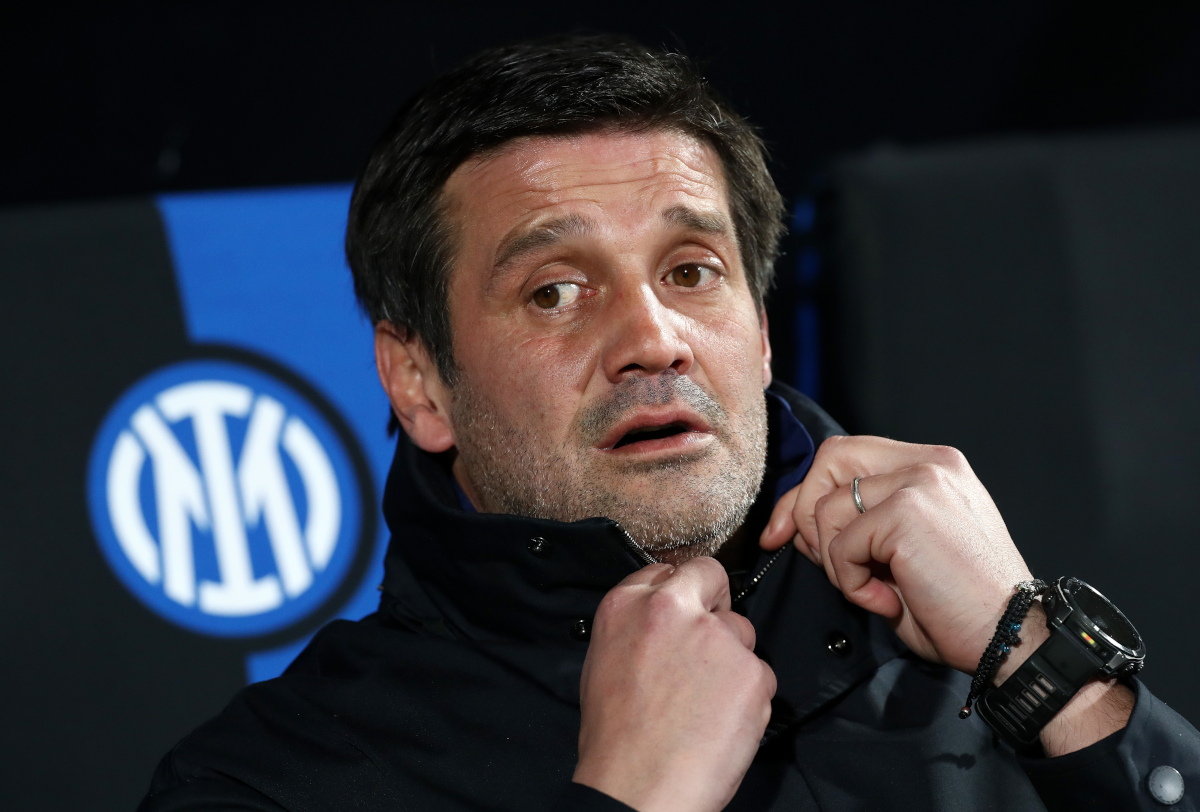
Inter Milan approaches the second leg of the Champions League knockout play-off navigating a precarious 3-1 aggregate disparity against FK Bodø/Glimt. This structural disadvantage is intensified by the simultaneous absence of Lautaro Martínez and Hakan Çalhanoğlu—the two primary conduits of the Nerazzurri’s tactical identity. Their unavailability necessitates a comprehensive recalibration of Inter’s offensive transitions. Manager Cristian Chivu now faces a dual-front administrative challenge: maintaining domestic Serie A momentum while engineering a continental recovery that demands both clinical efficiency in the final third and heightened defensive synchronization.
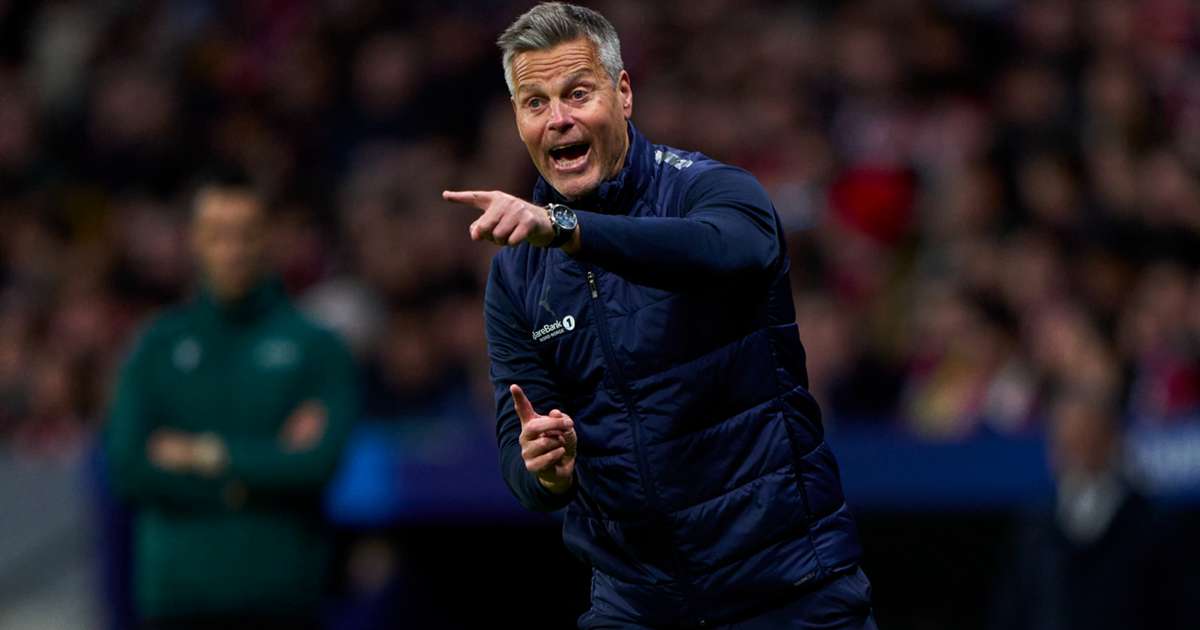
The inaugural leg in Norway exposed critical vulnerabilities in Inter’s defensive organization. Bodø/Glimt’s proficiency on the Aspmyra Stadion’s artificial surface allowed for high-tempo, slick transitions that disrupted Inter’s rhythm. However, an analytical post-mortem suggests the defeat was less about environmental variables and more about a systemic failure to contain Kjetil Knutsen’s vertical philosophy. The return fixture at San Siro is a test of institutional resilience, forcing the club to shed its historically volatile ‘Pazza Inter’ persona in favor of disciplined, high-leverage execution.
The Tactical Pivot: Verticality over Distribution
In the vacuum left by Çalhanoğlu’s elite distribution, Chivu has pivoted toward Davide Frattesi to anchor the midfield. This selection signals an intentional shift from horizontal playmaking to a more physically demanding, vertical approach. Frattesi is tasked with operating as a dynamic box-to-box engine, designed to penetrate the half-spaces within Bodø’s disciplined defensive block. This tactical gamble prioritizes raw dynamism over the traditional control Inter typically exerts, seeking to overwhelm the visitors through sheer athletic volume.
With Francesco Pio Esposito serving as the primary attacking focal point following his first-leg goal, Inter is relying on unproven depth to bridge the qualitative gap left by Martínez. This reliance on emerging profiles underscores the current squad depth challenges. Chivu’s strategic gamble hinges on the belief that collective tactical adherence can mitigate the loss of individual star power—a narrow margin for error where a single defensive lapse could prove fatal.
Environmental Determinism and Psychological Warfare
The narrative surrounding this fixture has been heavily influenced by Inter’s formal grievance to UEFA regarding the artificial turf at Aspmyra Stadion. By categorizing the 3-1 defeat as an environmental anomaly, Inter’s management has attempted to shift the psychological burden onto Bodø/Glimt as they transition to the natural grass of San Siro. However, Kjetil Knutsen has neutralized this rhetoric, citing his squad’s prior successes in high-pressure environments like Dortmund and Madrid as evidence of their adaptability.
Fiscal Imperatives and Institutional Consequences
The financial ramifications of a premature Champions League exit are profound. Progression to the Round of 16 is tethered to vital UEFA prize distributions and matchday revenue streams essential for Inter’s long-term fiscal sustainability. Beyond the balance sheet, a failure to advance would represent a strategic regression, potentially complicating the club’s ability to retain elite talent or secure favorable terms in upcoming transfer windows. For Chivu, the outcome will serve as a definitive verdict on his tactical flexibility and his capacity to manage a squad under maximum duress.