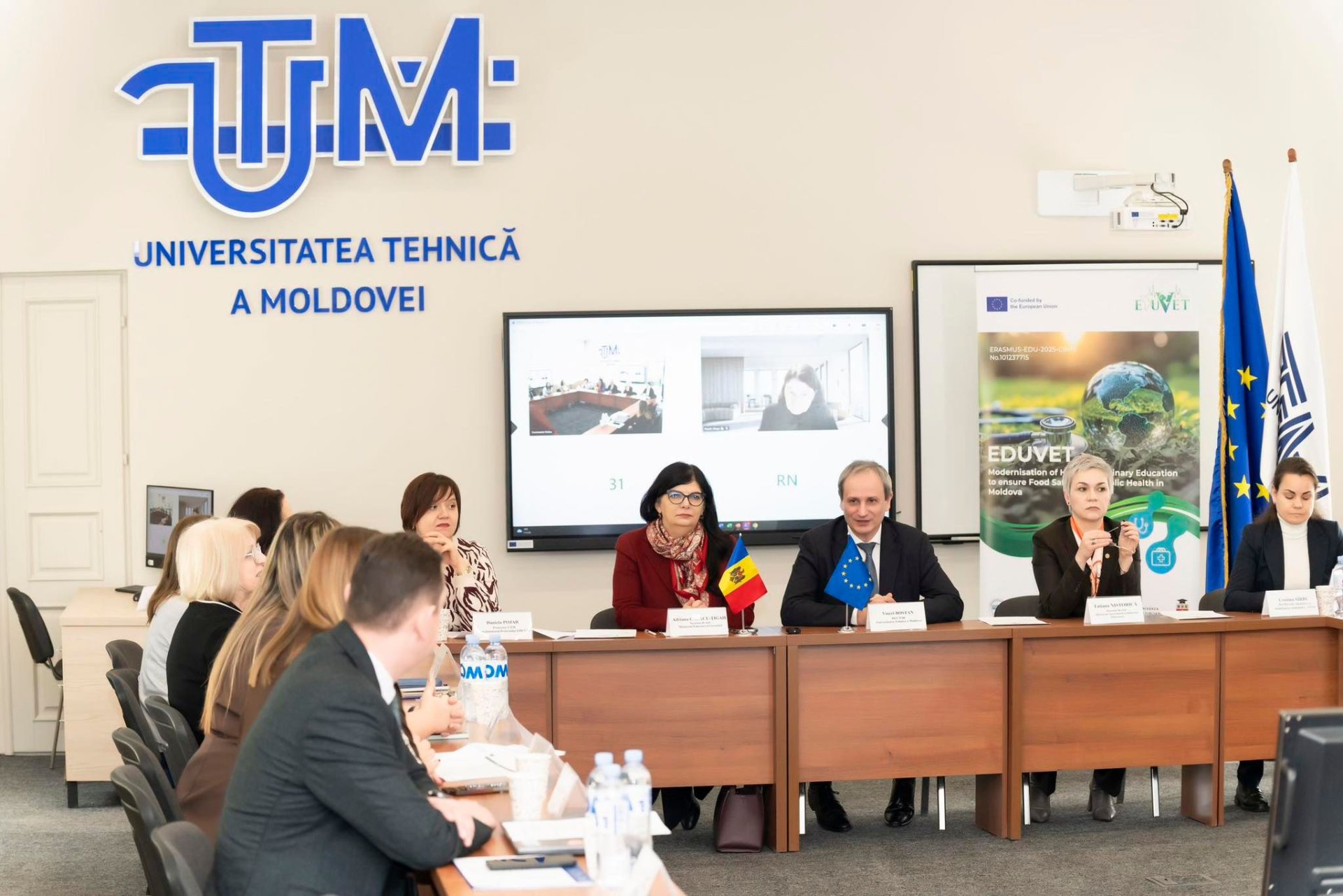
The Republic of Moldova is undertaking a comprehensive structural transformation of its higher veterinary education sector, institutionalized through the European Union-backed Erasmus+ Key Action 2 (KA2) project, officially titled “Modernisation of Higher Veterinary Education to ensure Food Safety and Public Health in Moldova” (EDUVET).
Formally initiated during a February 2026 consortium meeting involving key academic bodies and national regulatory authorities, EDUVET represents a decisive strategic pivot toward the mandatory harmonization of national training protocols with the established acquis of European Union veterinary standards.
Strategic Mandate: Bridging Education and National Security
Tatiana Nistorica, State Secretary at the Ministry of Agriculture and Food Industry (MAIA), explicitly situated EDUVET within the ministry’s overarching strategic mandates concerning animal welfare, comprehensive food security, and public health protection. This political endorsement confirms the modernization effort transcends academic enhancement, embedding itself into critical national policy frameworks.
The project’s success metrics are inherently tied to measurable improvements in national biosecurity posture and enhanced trade readiness, particularly concerning access to the EU single market. This alignment is vital for reducing systemic vulnerabilities in the food supply chain.
Curriculum Overhaul and Competency Gap Closure
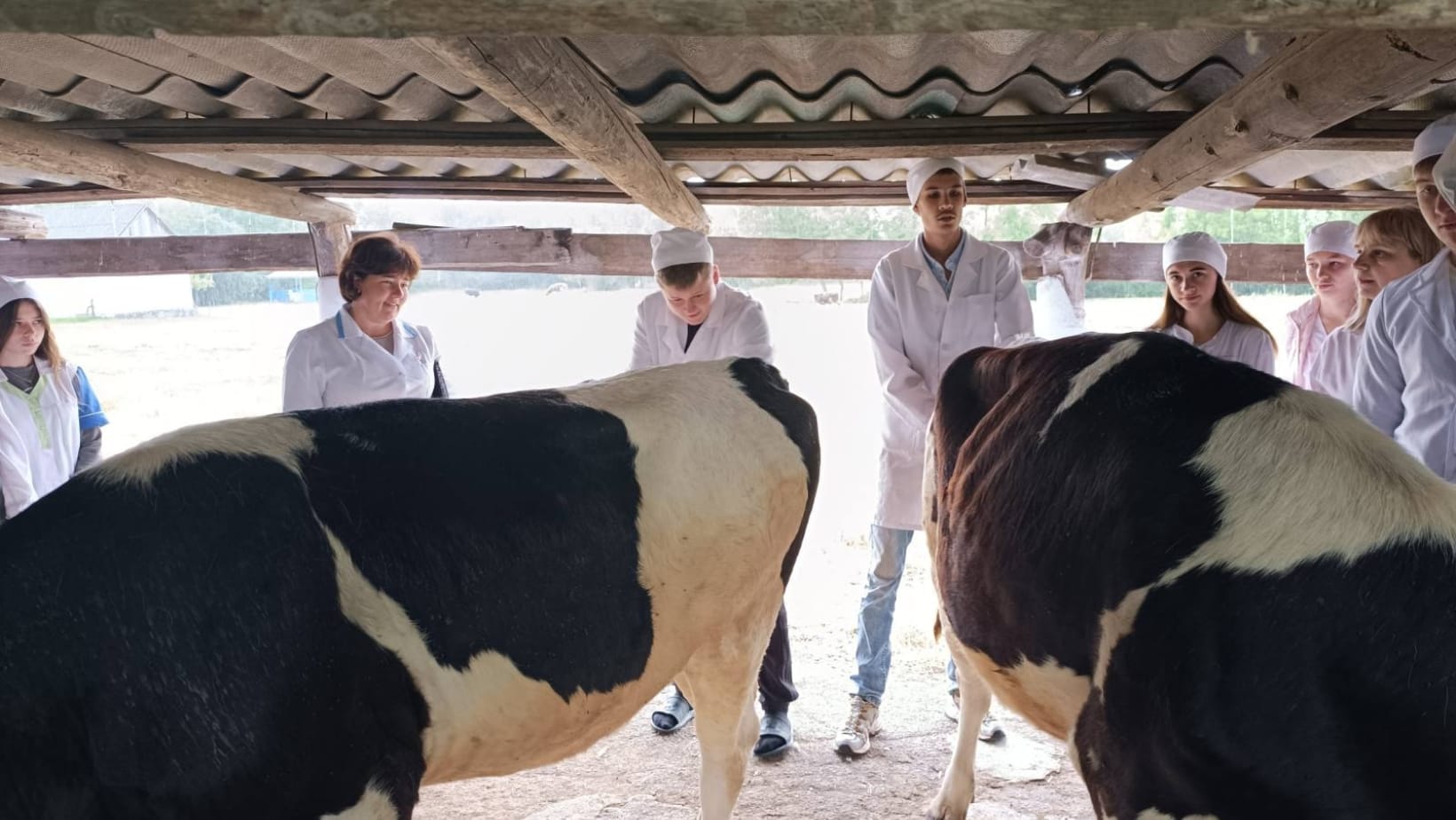
The primary operational deliverable of EDUVET involves the rigorous revision and updating of the integrated curriculum for Veterinary Medicine. The objective is to systematically close identified competency gaps, ensuring graduates possess the practical proficiencies and theoretical knowledge required for regulatory compliance within the EU economic zone.
This necessitates integrating contemporary, evidence-based teaching methodologies and practical laboratory experience to supersede legacy instructional models, directly impacting graduate employability and technical readiness.
Institutional Capacity Building: Dual Workforce Focus
EDUVET allocates substantial resources not only to foundational undergraduate education but critically to strengthening existing institutional capacities. This includes targeted professional development for teaching staff and the rollout of continuous professional development (CPD) pathways for current sector specialists.
This dual approach—modernizing foundational education while simultaneously upskilling the active workforce—is essential for achieving immediate, measurable enhancements in food safety oversight and inspection efficacy.
Leverage of Erasmus+ Framework for Quality Assurance
The selection of the Erasmus+ KA2 framework provides critical leverage beyond mere financial injection. It mandates adherence to stringent EU quality assurance and peer-review mechanisms. This external benchmarking against established European Centers of Excellence accelerates the internal reform timeline.
Crucially, this process generates external validation for qualifications issued by Moldovan veterinary schools, a prerequisite for professional mobility and regulatory acceptance across the EU bloc.
Economic Implications: Trade Competitiveness and Market Access
A modern, EU-compliant veterinary workforce directly reduces the economic risk profile associated with animal-borne diseases, thereby mitigating the threat of costly trade restrictions imposed by international partners. For the broader agro-food sector, this translates directly into the reduction of non-tariff barriers upon exporting products, unlocking higher-value access within the EU market.
Workforce Mobility and Domestic Value Retention
Successful EDUVET implementation significantly enhances the competitive positioning of Moldovan veterinary professionals in the European labor market. Graduates with EU-standardized qualifications gain expedited eligibility for professional recognition in EU member states.
Managing this incentive structure requires concurrent focus on cultivating attractive domestic career pathways that fully utilize these advanced competencies, justifying the national investment in high-level training.
Long-Term Impact on Public Health Governance
The explicit integration of public health mandates alongside animal health reflects a necessary recognition of the critical zoonotic interface inherent in modern veterinary practice. This implies a structural shift toward proactive, integrated health management systems, moving beyond reactive disease treatment protocols.
This forward-looking posture is fundamental for robust management of emerging infectious threats and ensuring the enduring resilience of the national food safety infrastructure against evolving biological risks.
Regulatory Alignment Challenges and Feedback Loops
The advanced educational reforms exert necessary pressure on national regulatory bodies (including MAIA) to simultaneously update inspection protocols, certification standards, and enforcement mechanisms to match graduate competencies. Failure to adapt the administrative framework risks decoupling professional training from regulatory reality.
Conversely, successful dynamic alignment establishes a powerful feedback loop where academic innovation proactively informs and drives regulatory modernization, fostering a responsive governance structure adhering to international best practices.
Sustainability and Institutional Autonomy
The long-term viability of the modernization hinges on embedding new curricula and pedagogical methods permanently, avoiding reliance on temporary project structures. The commitment to CPD suggests an institutional recognition that faculty development must be continuous to prevent curriculum drift as external standards inevitably evolve.
Securing sustained domestic budgetary allocations post-EDUVET funding—specifically for maintaining modern laboratory infrastructure and endowed specialized faculty positions—will determine the lasting structural impact on sector autonomy and quality assurance capabilities.