
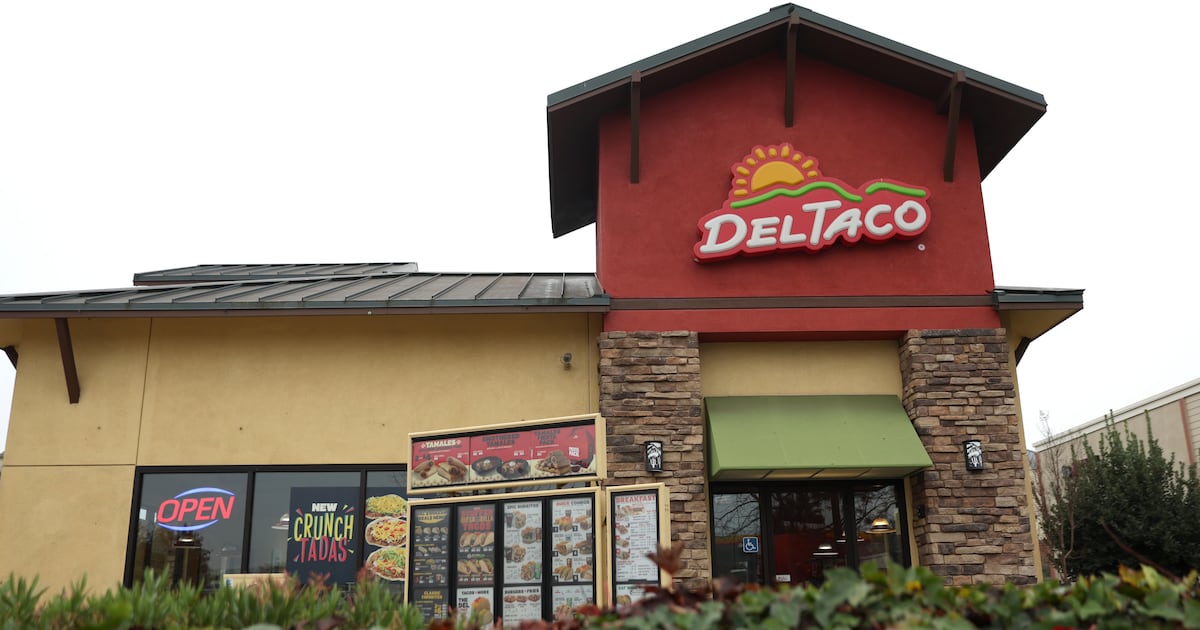
The abrupt dissolution of Del Taco’s Georgia footprint represents a significant structural contraction for the brand’s Southeastern strategy. This mass closure, affecting all previously operational units in the state, was precipitated by the insolvency of a dominant franchisee currently embroiled in bankruptcy proceedings. The finality of this exit is evidenced by the immediate purging of Georgia locations from the corporate digital ecosystem, indicating a total operational severance.
The Collapse of Oversight and Reporting Covenants
A primary concern arising from the corporate response is the claim that closures occurred without prior notification to the parent company. This suggests a catastrophic breakdown in the reporting covenants foundational to franchise agreements. Such opacity implies that the franchisee’s liquidity crisis either evaded standard internal audits or was intentionally shielded from franchisor scrutiny during the lead-up to the bankruptcy filing.
For a national QSR (Quick Service Restaurant) entity, the failure to anticipate a multi-unit regional collapse reveals significant vulnerabilities in the monitoring of large-scale operators. The lack of transition planning exacerbates brand erosion, as stakeholders—including labor and local consumers—face an immediate vacuum. In such cases, legal shielding often supersedes brand continuity, leaving the franchisor reactive rather than proactive.
Systemic Capital Failure Across Diverse Markets
The closures span a broad demographic range, from high-density Metro Atlanta suburbs like Kennesaw and Lawrenceville to vital regional hubs like Columbus and Macon. The simultaneous failure across these disparate locations suggests that the crisis was rooted in the franchisee’s capital structure rather than localized consumer demand. This distinction is critical for evaluating the brand’s underlying viability versus the operator’s financial mismanagement.
By vacating markets from Snellville to Fort Oglethorpe, Del Taco has conceded significant market share to competitors in the quick-service Mexican segment. Re-establishing this presence will require more than finding new operators; it will demand a total reconstruction of the regional supply chain and a concerted effort to repair damaged consumer trust in a market where the brand effectively vanished overnight.
Legal Constraints and the Bankruptcy Stay
The franchisee’s bankruptcy filing creates a formidable legal barrier to market re-entry. The ‘automatic stay’ inherent in bankruptcy law typically freezes lease agreements and equipment assets, preventing the franchisor from immediate repossession and reopening. This legal stasis explains the ambiguity in Del Taco’s current timeline, as corporate recovery is now contingent upon the slow-moving machinery of the bankruptcy court.
Beyond lost royalties, the financial exposure includes the potential devaluation of physical assets and the degradation of prime retail sites while they sit dormant. If the bankrupt entity holds the primary leases, Del Taco faces protracted negotiations with trustees to regain control. Prolonged dormancy often leads to site obsolescence, further increasing the eventual cost of capital for any successor operator.
Operational Friction in Re-Entry
While Del Taco is “exploring options” to return, the logistical hurdles are substantial. Reopening a shuttered site involves significant sunk costs, including re-permitting, recruitment in a competitive labor market, and repairing vendor relationships potentially strained by the previous operator’s insolvency. The loss of human capital—hundreds of trained employees terminated without notice—creates a reputational hurdle that will complicate future hiring efforts.
Strategic Implications for National Growth
The erasure of Georgia from the map compromises the brand’s national expansion narrative, which relies on regional density to achieve economies of scale. The loss of a state-wide cluster diminishes the “halo effect” for surrounding markets and may cool interest from prospective developers. Ultimately, this exit underscores the inherent fragility of the franchise model when a single intermediary’s financial health dictates the fate of a national brand in a key economic corridor.

Photo by Perfect_Cuisine on Pixabay.