Corporate Adaptation to Niche Consumer Events
The proliferation of 4/20-themed food deals from major chains, including Blaze Pizza and KFC, signifies a significant corporate adaptation to niche consumer occasions. This strategic pivot demonstrates an evolving understanding of leveraging cultural moments, even those with counter-cultural origins, for commercial gain.
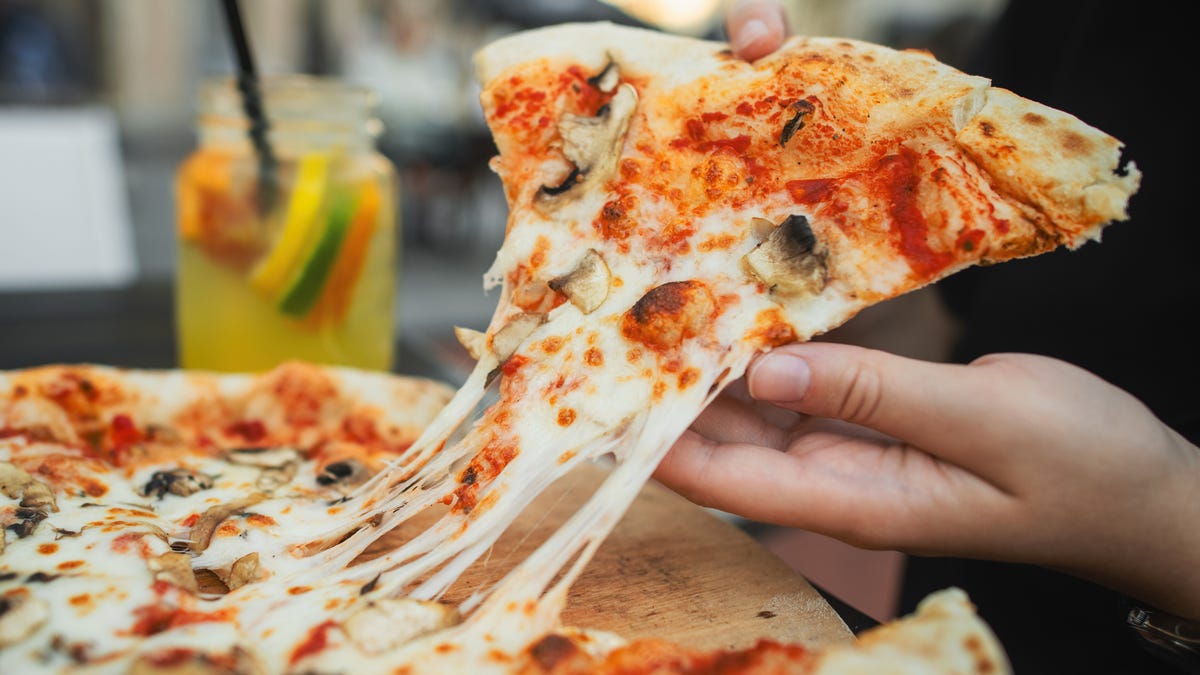
Blaze Pizza’s ‘BFF Bundle’ for $25.99, comprising two pizzas, drinks, and desserts, exemplifies a targeted promotional strategy designed to appeal to a specific demographic. The online-only availability via the brand’s app and website underscores a focus on driving digital engagement and direct-to-consumer sales channels.
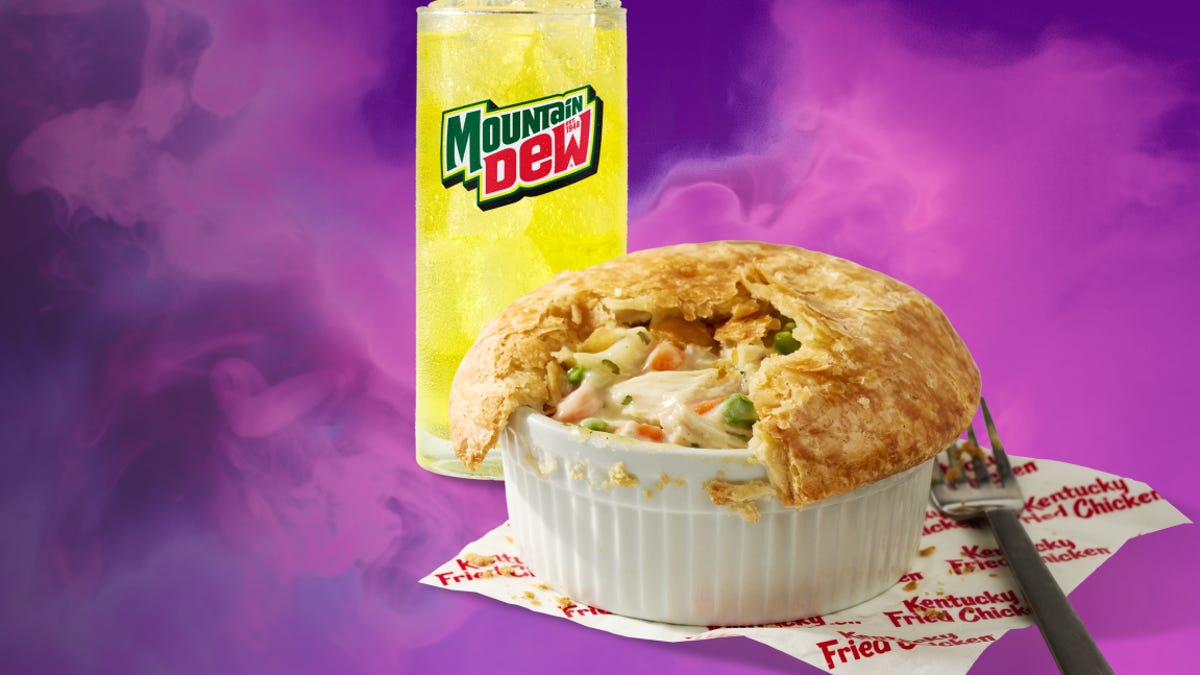
KFC’s multi-pronged approach, featuring a $4.20 Pot Pie Combo and a 2-for-$2.95 chicken offer, showcases a tiered pricing strategy to capture varied consumer spending levels. These promotions represent a calculated effort to associate the brand with a recognized, albeit unofficial, holiday, thereby increasing visibility and foot traffic.
Market Dynamics and Consumer Psychology
The food industry’s adoption of 4/20 highlights a broader trend of brands seeking to connect with consumers on a more personal and culturally relevant level. The ‘munchies’ associated with the occasion provide a direct, informal link to food consumption, a connection marketers effectively exploit.
The framing of these deals, from Blaze Pizza’s ‘Get Blazed with your BFF’ to KFC’s overt thematic alignment, suggests a sophisticated understanding of consumer psychology. Brands recognize that aligning with specific cultural touchstones can foster shared identity and brand loyalty.
This commercialization of 4/20 also reflects the increasing acceptance of cannabis culture into mainstream consumerism, particularly in regions with legalized marijuana. The deals serve as a low-risk entry point for brands to engage with this market segment without directly endorsing cannabis consumption.
Strategic Implications for Brand Positioning
The strategic decision to offer 4/20 specials allows brands to differentiate themselves by demonstrating cultural awareness and engagement with contemporary trends, potentially enhancing brand perception among younger demographics attuned to such nuances.
For fast-food chains, these promotions can drive immediate sales volume and increase customer frequency. The specificity of pricing, like the $4.20 deals, acts as a direct signal to consumers familiar with the holiday, creating immediate recognition and appeal.
The success of these niche promotions can inform future marketing strategies, encouraging brands to identify and capitalize on other culturally specific or occasion-based opportunities through deep understanding of consumer behavior, market segmentation, and digital marketing tools.
Regulatory Context and Corporate Responsibility
The critical note regarding marijuana’s Schedule I status under US federal law highlights the balance brands must strike between capitalizing on cultural trends and navigating complex legal landscapes. Despite state-level legalization, federal prohibition creates a bifurcated environment.
Brands offering 4/20 deals implicitly acknowledge this duality by focusing promotions on food items, thereby mitigating direct legal risk and ensuring wider market appeal by avoiding alienation of potential customers.
Evolution of Consumer Engagement
The transition of 4/20 from a ‘low-key and rebellious ritual’ to a recognized commercial event signifies a shift towards embracing participatory culture and shared experiences over traditional advertising.
The prevalence of ‘online-only’ deals and app usage reinforces the trend towards digital-first consumer engagement, enabling targeted marketing, data collection, and personalized customer journeys to optimize promotional effectiveness.
This approach suggests that brands authentically tapping into niche cultural moments, while mindful of legal and ethical considerations, are best positioned to capture consumer attention in a fragmented media landscape.
Competitive Landscape and Market Entry
The widespread adoption of 4/20 deals intensifies competition for consumer attention and disposable income. Brands offering compelling and relevant promotions are likely to gain a competitive edge during this period.
This trend lowers the barrier to entry for smaller businesses to participate in similar niche marketing efforts, adapting strategies from larger corporations.
The food industry’s agility in identifying and responding to consumer-driven trends allows them to remain relevant and capture market share by aligning with evolving cultural norms and preferences, even those originating from subcultures.
Media and Cultural Integration
The existence of articles compiling these deals indicates the integration of 4/20 into mainstream media narratives, amplifying promotional efforts and solidifying the holiday’s commercial significance.
Journalistic framing, balancing cultural context with practical information, legitimizes the commercial aspect for a broader audience.
This media amplification transforms a niche observance into a recognized consumer event, demonstrating media’s power in shaping cultural trends and driving commercial activity.
Future Trajectories and Brand Strategy
The sustained expansion of 4/20 food deals suggests this trend will likely persist and grow, especially with progressing cannabis legalization. Brands must continuously innovate promotional strategies.
Future strategies may involve deeper digital platform integration, personalized offers based on consumer data, and influencer collaborations. Authenticity while navigating evolving legal and social landscapes will be key.
The 4/20 food deal phenomenon serves as a case study in engaging niche consumer interests, underscoring the importance of cultural intelligence, strategic marketing, and adaptability to the dynamic interplay between consumer behavior, media, and regulatory environments.
Operational and Financial Leverage
Promotions driving incremental sales volume with low incremental cost offer operational leverage. Bundled deals and specific price points aim to maximize revenue per customer.
Financially, these initiatives boost short-term revenue and profit margins if cost of goods is managed effectively. The $4.20 pricing acts as a psychological anchor driving perceived value.
Emphasis on online-only deals allows for efficient inventory management and reduced labor costs, enhancing financial viability.
Stakeholder Implications and Brand Perception
For consumers, deals offer tangible savings and participation in a culturally recognized event, with broad appeal due to accessibility.
Shareholders may see positive impacts on quarterly earnings from increased sales and customer engagement, enhancing investor confidence in the company’s adaptability.
Employees benefit from increased traffic and potential sales incentives, though managing demand surges requires careful planning.
Broader Industry Impact and Competitive Response
The success of 4/20 promotions encourages other sectors to explore similar niche-driven marketing, potentially leading to a trend of brands capitalizing on unconventional holidays and cultural moments.
Competitors are compelled to respond, driving innovation in marketing and promotional tactics across the industry.
The food industry’s direct connection to consumer needs positions it well for occasion-based marketing, likely leading to a more dynamic promotional calendar sector-wide.
Cultural Context and Commercialization
The evolution of 4/20 from a counter-cultural observance to a mainstream commercial event demonstrates the absorption and monetization of cultural trends by corporations, often involving adaptation for broader market appeal.
This commodification contrasts with original ‘ritual’ origins, highlighting how subcultural elements gain wider reach and economic impact while potentially losing original meaning.
This commercialization reflects a shift in how cultural moments are leveraged in the modern economy, with effective navigators building significant market presence.
Technological Integration in Promotions
Reliance on online-only deals and app-based promotions highlights technology’s critical role in modern marketing, enabling precise targeting, personalized offers, and efficient data capture for optimizing promotional ROI.
Customer behavior tracking through apps and websites allows brands to refine strategies using data-driven insights to maximize promotional spending effectiveness.
Technological integration facilitates rapid dissemination of promotional information, ensuring timely reach during time-sensitive events.
Future of Niche Marketing and Brand Relevance
Sustained success of 4/20 food deals indicates continued investment in marketing strategies that tap into specific consumer interests and cultural moments, requiring ongoing research and experimentation.
Future brand relevance hinges on understanding and authentically connecting with evolving consumer demographics and their cultural touchstones, necessitating agility in adapting to new trends and platforms.
Strategic deployment of occasion-based promotions demonstrates a sophisticated approach to brand building beyond traditional advertising, fostering deeper consumer engagement and loyalty.