The 2026 UEFA Champions League Final: An Era-Defining Strategic Crucible
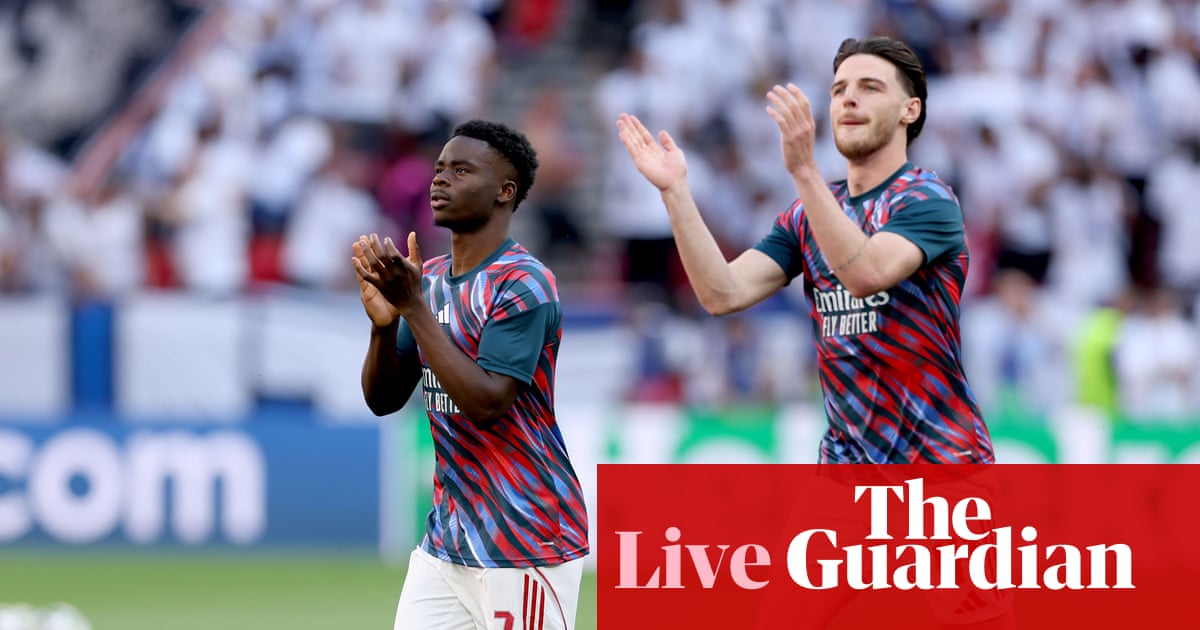
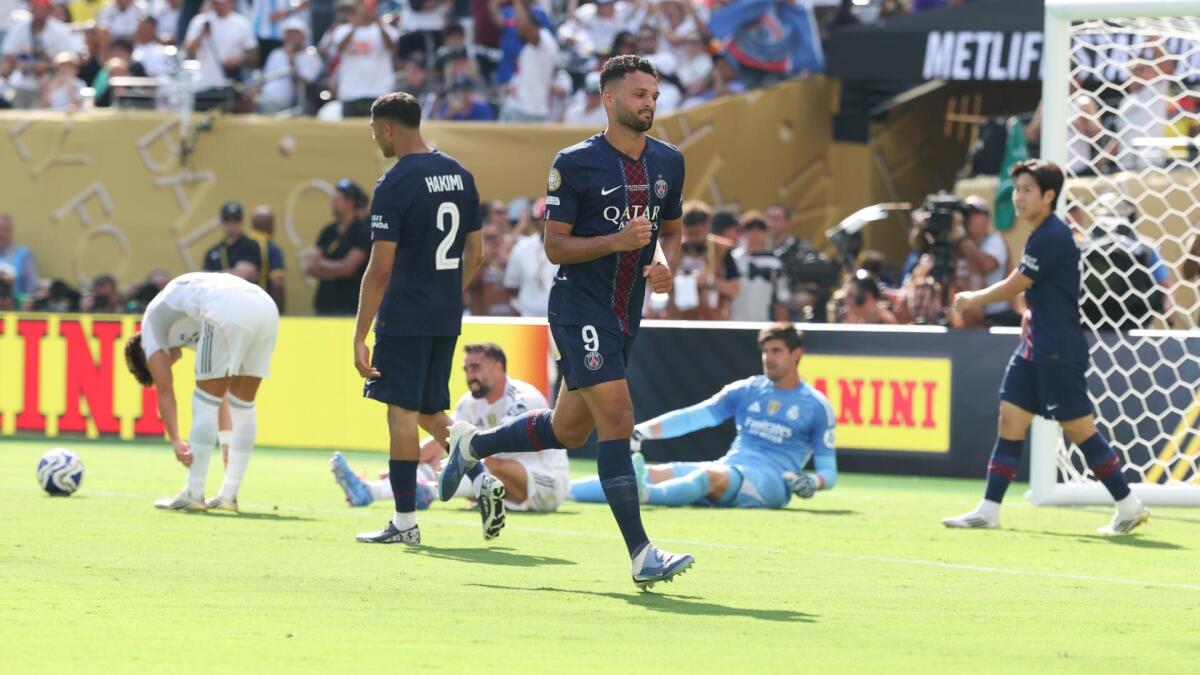
The 2026 UEFA Champions League final, hosted at Budapest’s iconic Puskas Arena, transcends a mere sporting fixture. It represents a pivotal encounter between English Premier League champions Arsenal and French Ligue 1 winners, reigning UCL titleholders Paris Saint-Germain. This clash is not just for silverware; it’s a strategic crucible poised to define club trajectories, recalibrate financial valuations, and cement competitive standings within the global football hierarchy for years to come.
The selection of Budapest, a city merging logistical capability with cultural vibrancy, underscores UEFA’s strategic commitment to expanding the competition’s commercial reach and institutional prestige. Such venue choices contribute significantly to the Champions League’s global brand equity and its economic impact across host cities.
Arsenal’s Strategic Apex: Validation, Legacy, or Blueprint?
For Arsenal, this final arrives merely eleven days after securing their first Premier League title since 2004, a triumph that signifies both a profound emotional catharsis and the tangible validation of a multi-year institutional project. This domestic success imbues their Champions League challenge with a unique psychological duality: a chance to ascend to the zenith of club history, or a calculated ‘free-hit’ opportunity.
This duality reflects a sophisticated strategic shift in perception for a club whose identity under manager Mikel Arteta had been characterized by intense scrutiny and the ‘curation of anxiety.’ A Champions League victory would unequivocally cement the project’s success and substantial investment, fundamentally transforming Arsenal’s brand equity, attracting elite talent, and providing a powerful blueprint for sustainable growth.
Conversely, framing the final as a ‘free-hit’ strategically mitigates immediate reputational risk associated with a loss, allowing the club to manage expectations and frame participation as a bonus following domestic glory. This narrative flexibility influences player morale, fan perception, and future commercial negotiations, regardless of the match outcome.
The club’s long-term strategy, guided by its comprehensive institutional framework for player development and tactical evolution, demonstrates a commitment to sustained competitive excellence. Reaching this final, especially after securing a significant domestic title, showcases the efficacy of their top-down approach to performance management in European football’s elite echelons.
Winning the Champions League would not only globally amplify Arsenal’s brand but significantly enhance their financial leverage in sponsorship renewals, broadcast revenue distribution, and player market valuations. The unparalleled prestige of a continental title directly translates into a commercial multiplier effect, strengthening their negotiating position across all revenue streams and easing compliance with Financial Fair Play (FFP) regulations.
A victory would solidify Arteta’s standing as a transformative figure, justifying the club’s long-term commitment to his tactical philosophy and vision. This managerial stability is paramount for sustained success, impacting recruitment, youth academy integration, and overall club culture.
The realization of a ‘greatest day in Arsenal’s history’ narrative would fundamentally alter the club’s historical trajectory, attracting new global demographics and cementing their position among Europe’s absolute elite, unequivocally moving beyond the shadow of past achievements.
Even a defeat, if framed strategically, still offers invaluable experience for a squad recently navigating the intense pressures of a title race. This exposure to high-stakes European finals accelerates the team’s maturation, building resilience and tactical acumen critical for future campaigns.
Paris Saint-Germain: The Imperative of Defending Dominance
Paris Saint-Germain enters the final as the reigning UEFA Champions League champion, having secured their title in the 2024-25 season with a decisive 5-0 victory over Inter Milan. This recent triumph establishes a clear precedent of continental supremacy and reinforces their status as an undisputed dominant force in European football.
Their consistent domestic performance, marked by five consecutive Ligue 1 titles, underscores a strategic imperative for sustained excellence and market leadership within French football. This domestic hegemony serves as a stable, yet insufficient, foundation for their primary objective: repeated Champions League success, which validates their state-backed ownership model.
PSG’s previous encounter with Arsenal, a commanding 3-1 aggregate victory in the semifinals last year, provides a direct competitive history that informs the current final. This prior success offers a psychological edge, validating their tactical superiority against this specific opponent in recent memory, but also raising the stakes for Arsenal’s potential revenge.
The club’s substantial strategic investment in top-tier talent and coaching staff is explicitly geared towards securing and maintaining European supremacy. Winning consecutive Champions League titles would cement their legacy as one of the most successful clubs of the modern era, justifying massive capital outlays and significantly enhancing their global brand appeal.
For PSG, the final is not merely about accumulating another trophy; it’s about reinforcing a strategic narrative of unparalleled dominance and fulfilling the ambitions of its ownership, Qatar Sports Investments (QSI). Failure to secure the trophy, especially as reigning champions and favorites, would represent a significant setback to this carefully constructed institutional image and global projection.
The financial implications for PSG are equally profound; sustained Champions League success directly impacts their premium commercial partnerships, broadcast revenue, and the market value of their star players. Maintaining this elite status is crucial for attracting and retaining the world’s most sought-after footballing talent and mitigating FFP scrutiny.
The pressure on PSG, reflected in market confidence with odds at +140 to win the match and -145 to win the trophy, highlights the intense institutional expectation. This market positioning underscores the significant financial stakes for bettors and the broader sports wagering industry, which meticulously tracks team performance and historical trends, making the final a high-stakes financial event.
Their consistent presence in the latter stages of the Champions League, alongside multiple domestic titles, positions PSG as a benchmark for strategic club development driven by significant financial backing. This model, while achieving immense success, also places immense pressure on consistently delivering tangible results on European football’s grandest stage.
The strategic rivalry with Arsenal, intensified by their semi-final clash in the previous season, adds another layer of competitive intrigue. This history profoundly influences tactical planning, player motivation, and the overall media narrative surrounding the final, making it a contest of both current form and a high-stakes historical score-settling.
The Financial & Commercial Nexus of a UEFA Champions League Final
The betting market provides a quantifiable projection of the final’s financial stakes and perceived competitive equilibrium. Paris Saint-Germain’s favored status, at +140 on the 90-minute money line and -145 to win the trophy, reflects an analytical assessment of their superior form, squad depth, and recent European pedigree.
Arsenal’s odds at +205 for a 90-minute win and +120 to lift the trophy position them as competitive underdogs. These figures are not speculative; they are derived from sophisticated analytical models incorporating historical performance, current form, player availability, and intricate tactical matchups, influencing significant capital movement within the global sports betting industry.
The total for match goals set at 2.5, with a draw priced at +230, further illustrates the granular financial analysis applied to such high-profile events. These metrics guide wagering strategies and reflect expert predictions on the game’s potential flow and intensity, impacting millions in potential payouts and shaping broader market sentiment.
Beyond direct betting, the Champions League final generates immense revenue through exclusive broadcast rights, a critical component of UEFA’s financial model and a substantial income stream for participating clubs. The extensive broadcast on CBS and Paramount+ in the United States exemplifies the competition’s global reach and immense commercial value.
This widespread media coverage translates into substantial advertising revenue for broadcasters and unparalleled brand visibility for the clubs and their principal sponsors. The final serves as a premier platform for global brands to connect with a massive, highly engaged audience, driving significant commercial activity and marketing exposure.
The financial rewards for winning the Champions League are substantial, encompassing direct prize money, significantly increased sponsorship valuations, and enhanced marketability. These funds are crucial for clubs to reinvest in elite player acquisitions, infrastructure development, and operational costs, perpetuating a cycle of competitive excellence and long-term strategic advantage.
The Puskas Arena in Budapest, as the host venue, benefits from significant economic impact through tourism, hospitality, and local services. Hosting such a prestigious event elevates the city’s international profile, attracting visitors and investment, thereby contributing to its broader economic development and global brand positioning.
The involvement of sports analytics experts like Martin Green from SportsLine highlights the growing sophistication of data-driven insights in modern football. Their predictions influence public perception and betting patterns, demonstrating the intricate interplay between expert analysis, media commentary, and financial markets.
Media Narratives & Institutional Trajectories
The media’s framing of the final as a ‘big-league showdown’ by outlets like CBS and Paramount+ emphasizes its competitive intensity and the high caliber of the participating teams. This narrative drives viewership, reinforces the Champions League’s status as the pinnacle of club football, and shapes global public opinion.
For Arsenal, the narrative shift from ‘curation of anxiety’ to a ‘free-hit’ final represents a significant evolution in their institutional self-perception and public relations strategy. It allows them to proactively manage colossal expectations while still aggressively pursuing the highest honors, a nuanced approach crucial in high-pressure sporting environments.
PSG’s identity as reigning champions and consistent domestic winners positions them as a benchmark for sustained, state-backed success, yet simultaneously imposes immense pressure to maintain that gold standard. The media narrative around PSG often centers on their unyielding ambition to comprehensively dominate European football, making any outcome short of victory a perceived failure.
The stark contrast between Arsenal’s arduous journey, culminating in a domestic title after nearly two decades, and PSG’s consistent, well-funded pursuit of European glory, creates compelling storylines. These narratives are indispensable for fan engagement, media discourse, and the overall cultural and emotional impact of the event, shaping how the clubs are viewed globally.
The intricate institutional infrastructure supporting elite football clubs, from player development specialists to strategic planning departments, underpins performance at critical junctures like a Champions League final. Beyond visible figures, a vast network of expertise contributes to tactical preparation, long-term talent pipelines, and overall club resilience.
This final also serves as a crucial barometer for the strength and competitive standing of their respective domestic leagues, the English Premier League and French Ligue 1, on the European stage. A victory for either club enhances the prestige and competitive attractiveness of its national competition, influencing future talent flows and commercial appeal.
The global audience for the Champions League final, representing a massive demographic, makes it a key event for cultural exchange and brand exposure on an unprecedented scale. The narratives crafted around the teams, their managers, and their histories contribute to a broader understanding of contemporary football’s strategic, financial, and emotional dimensions, cementing its place as a global phenomenon.
Ultimately, the 2026 UEFA Champions League final is far more than a single match; it is a complex interplay of strategic ambition, colossal financial investment, competitive history, and dynamic media narrative. Its outcome will reverberate through the operational, financial, and strategic planning of both Arsenal and Paris Saint-Germain for seasons to come, profoundly shaping their institutional trajectories and influencing the broader landscape of European club football.