Structural Transformation of the Schengen Frontier
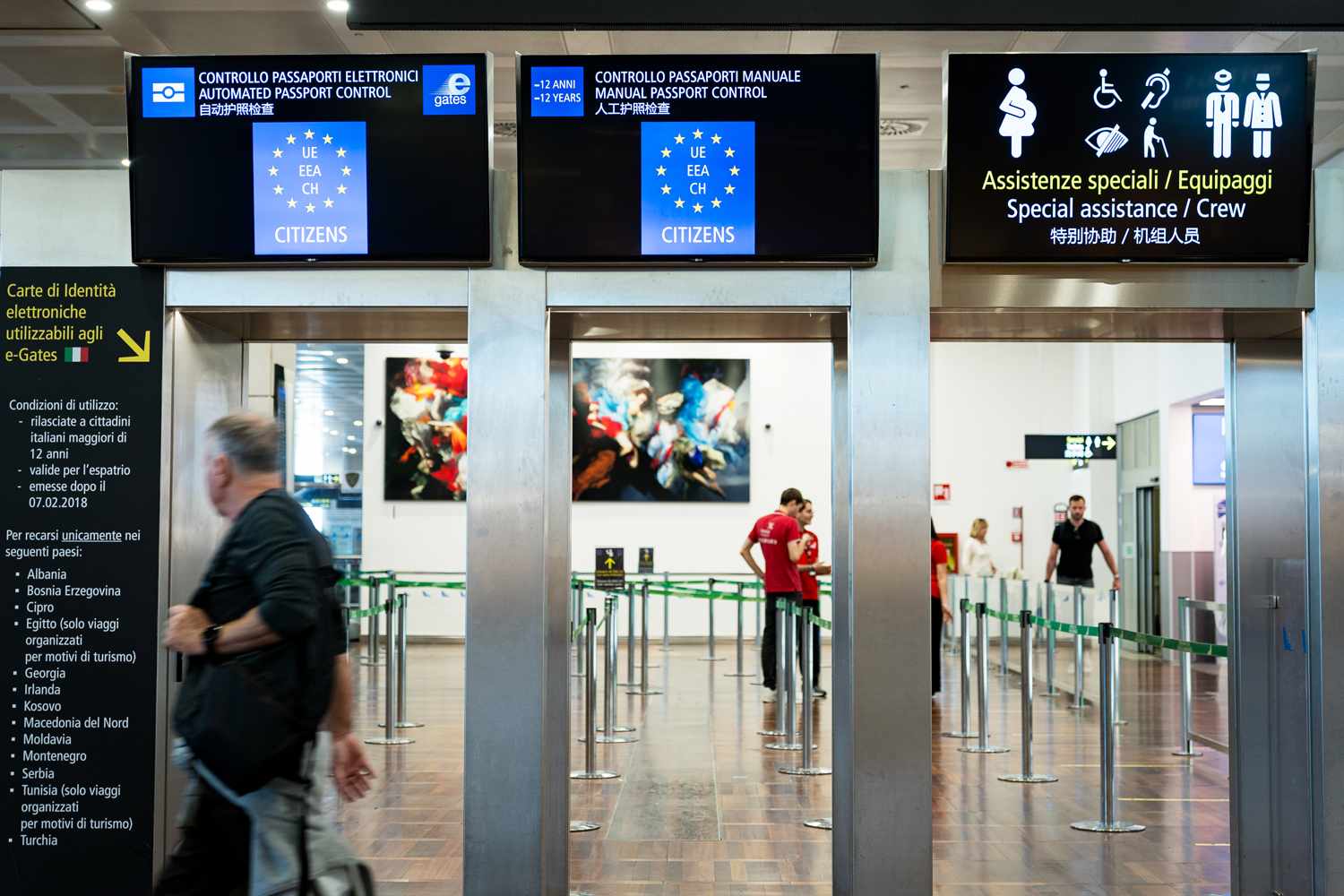
The operationalization of the European Union’s Entry-Exit System (EES) represents a paradigm shift from manual oversight to automated biometric surveillance. By replacing physical passport stamping with digital facial and fingerprint registration, the EU aims to enhance security; however, the transition has introduced significant systemic latency into the aviation ecosystem. This friction is not merely a technical glitch but a structural challenge to the high-throughput models that modern airports and low-cost carriers (LCCs) rely upon.
Logistical Buffer: The Three-Hour Mandate
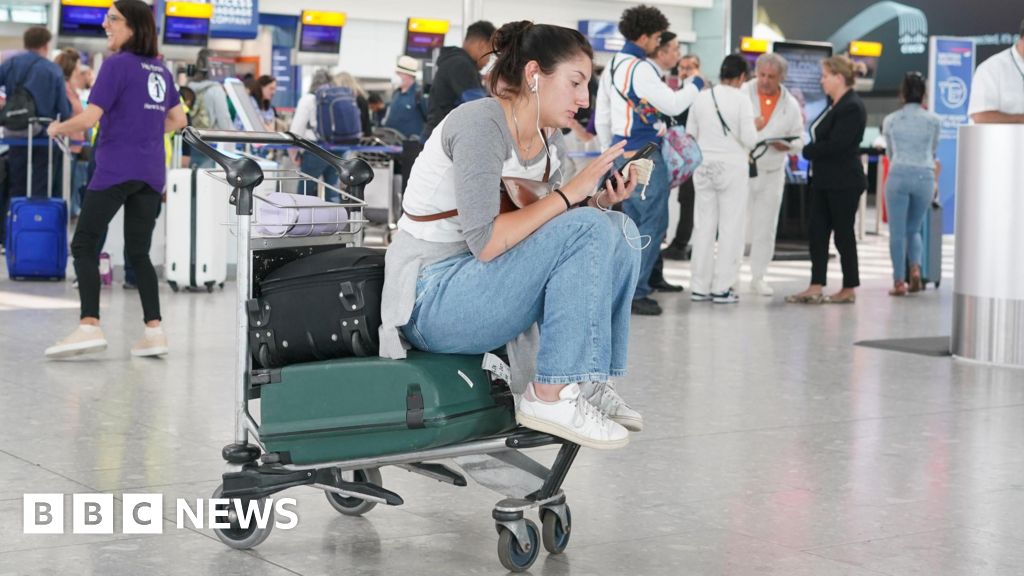
The recommendation by carriers like Wizz Air for a three-hour arrival window serves as a strategic buffer against the volatility of biometric processing. Yvonne Moynihan, Wizz Air’s UK Chief, identifies additional EES-mandated checks as the primary catalyst for unanticipated dwell times. This shift transfers the burden of system inefficiency to the traveler, reflecting a necessary recalibration to protect aircraft utilization rates and schedule integrity in an environment where border throughput is no longer predictable.
Institutional Divergence and Operational Reality
A significant discrepancy has emerged between the European Commission’s success metrics and the operational reports from stakeholders like ACI Europe. While the Commission cites the successful processing of 80 million entries, airport operators highlight localized chaos and infrastructure strain. This institutional divergence underscores the difficulty of implementing a unified digital border across a fragmented landscape of national infrastructures with varying degrees of technological readiness.
The Security-Throughput Paradox
The EES functions as a powerful enforcement tool, evidenced by 35,000 recorded entry refusals since late 2025. While this demonstrates the system’s precision in identifying non-compliant travelers, it creates a processing bottleneck. Each refusal necessitates manual intervention, further slowing the flow of legitimate traffic. For high-volume hubs in Spain, France, and Portugal, the time required to capture high-quality biometric data often exceeds the capacity of existing terminal layouts, creating physical congestion in zones not designed for prolonged queuing.
Financial Implications of Border Friction
The economic impact of the EES extends beyond operational delays. For airlines, the cost of re-accommodating passengers who miss connections due to border friction threatens already thin margins. For airports, increased dwell time presents a dual-edged sword: while it may theoretically increase non-aeronautical revenue in retail sectors, the heightened stress and fatigue associated with systemic delays often suppress discretionary consumer spending.
Conclusion: The Future of Digital Border Management
The EES is a permanent fixture of the new European security architecture. As the system matures, the industry’s focus must pivot from reactive crisis management to infrastructure optimization. Until automated kiosks can match the throughput of legacy systems, the three-hour arrival mandate will remain the essential safeguard for maintaining the stability of the international travel network.