The Strategic Significance of European Premium Live Events
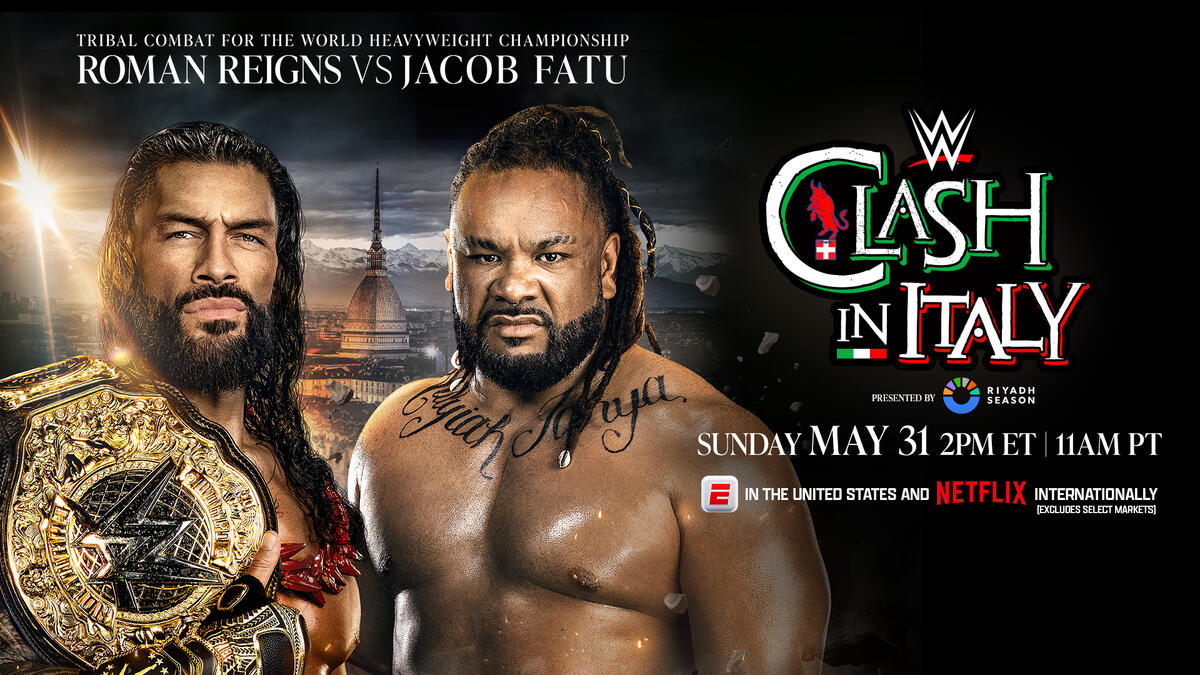
The selection of the Inalpi Arena in Turin for the Clash in Italy event signals a shift from sporadic international touring to a systemic integration into the European market. Following successful installments in Paris and Glasgow, this move serves as a cornerstone of WWE’s global logistics framework, designed to mitigate North American market saturation through diversified revenue streams.
By anchoring events in major European hubs, WWE capitalizes on concentrated regional demand to drive digital subscription growth via the ESPN App and Netflix. This geographic diversification functions as a hedge against domestic audience fragmentation, providing a scalable, repeatable model for international expansion.
Competitive Positioning and Roster Dynamics
The Clash in Italy card—highlighted by the Oba Femi vs. Brock Lesnar rematch—illustrates a deliberate effort to synthesize legacy equity with emerging talent. By utilizing established stars as benchmarks, WWE elevates newer performers like Femi, whose undefeated trajectory post-WrestleMania 42 provides the necessary narrative tension to justify high-stakes, marquee event placement.
Operational Implications of Title Defenses
Title matches for the Undisputed WWE Championship and the World Heavyweight Championship function as essential structural pillars for audience retention. These contests transcend mere physical sport, serving as primary catalysts for engagement. The ongoing Rhea Ripley vs. Jade Cargill feud further exemplifies the organization’s commitment to long-term storytelling, which optimizes the return on investment by sustaining consumer interest across multiple event cycles.
Financial Frameworks and Distribution
The hybrid distribution strategy—utilizing the ESPN App (US) and Netflix (International)—highlights a sophisticated approach to global sports media rights. By optimizing delivery according to regional regulatory and technological landscapes, WWE retains centralized control of its content ecosystem. Scheduling the event for a Sunday afternoon in the U.S. demonstrates logistical precision, targeting peak consumption windows to maximize global viewership metrics.
Institutional Continuity and Risk Management
The standardization of the Clash event series offers a predictable, risk-mitigated framework that appeals to stakeholders and sponsors. By prioritizing established rivalries alongside strategic talent elevation, WWE secures a balanced card that appeals to both casual viewers and core enthusiasts. Ultimately, the ability to maintain uniform production standards while executing rapid global expansion underscores a robust, agile, and sustainable organizational health model.