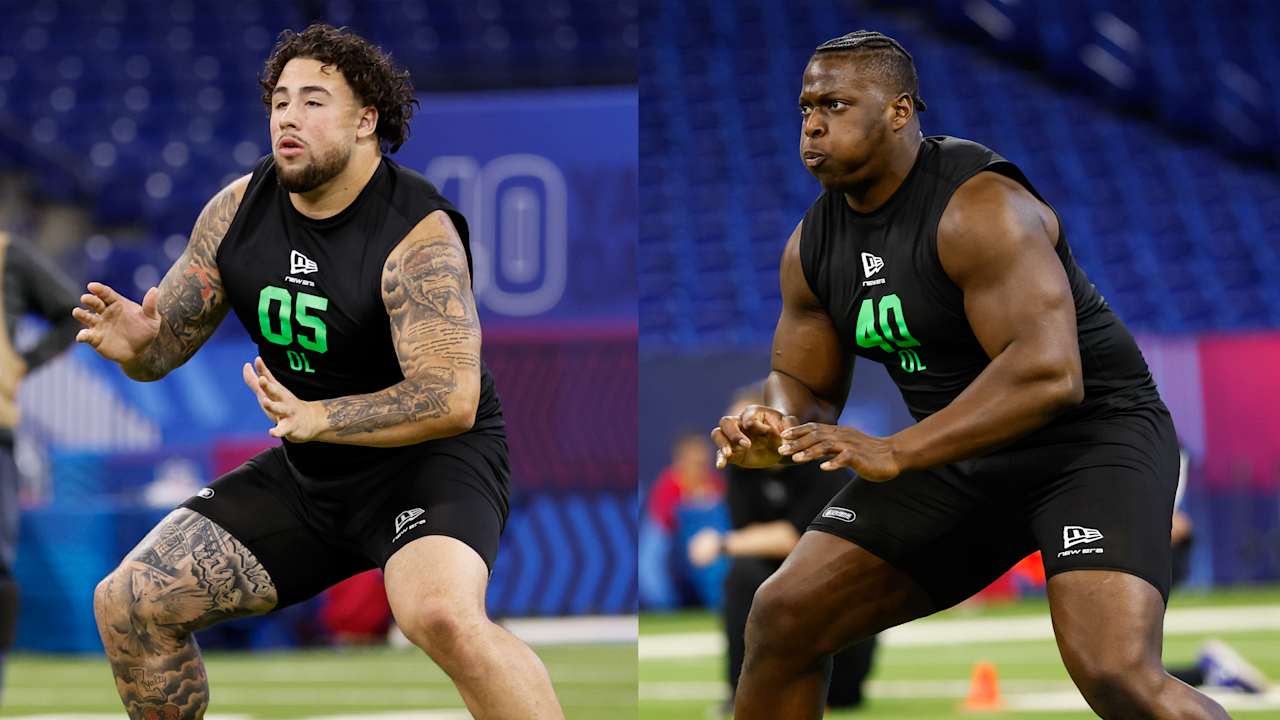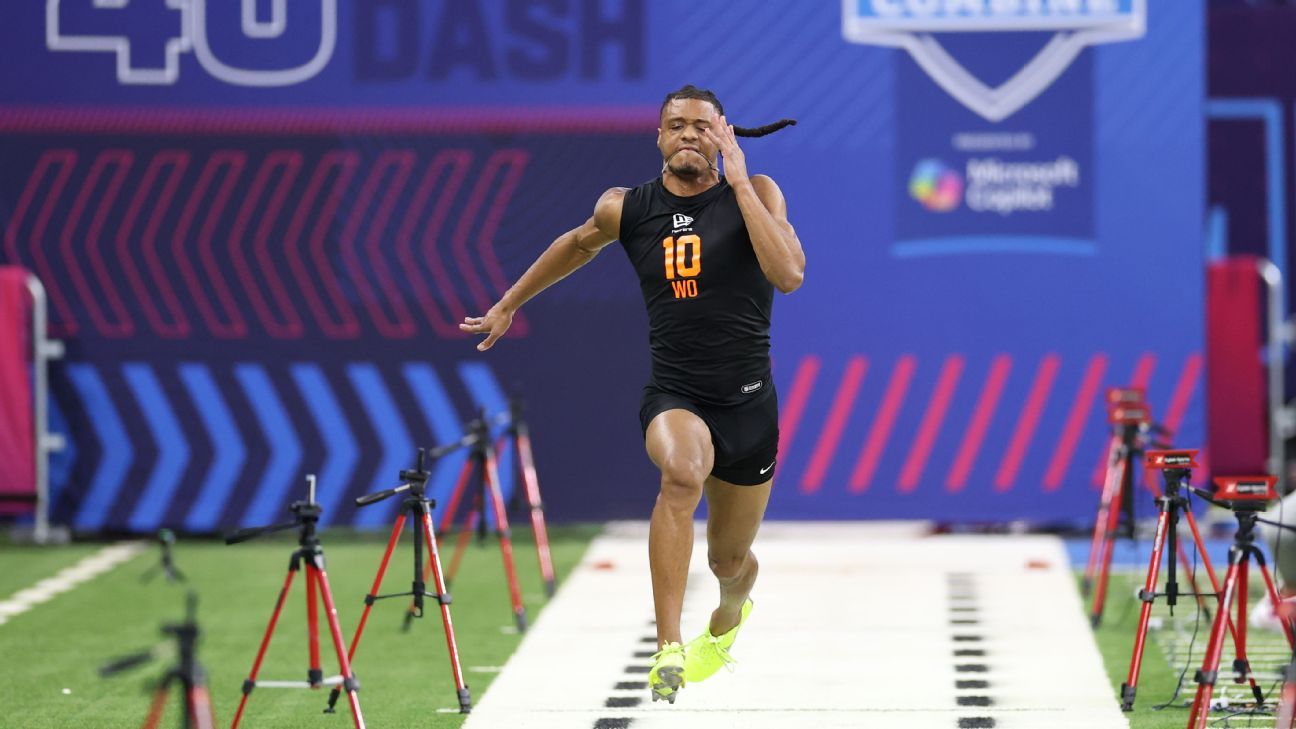
The 2026 NFL Scouting Combine in Indianapolis served as the definitive checkpoint for over 300 prospects, directly translating raw athletic output into immediate adjustments in projected draft capital.
The structure of on-field testing (40-yard dash, vertical/broad jumps) established non-negotiable data points that serve to validate or differentiate players whose game tape necessitated verification against established athletic ceilings.
The Economics of Athletic Benchmarking on Draft Value
The Combine forces scouting departments to reconcile subjective tape evaluation with objective, standardized physical measurements. Superior performance against established positional baselines confers immediate leverage.
For prospects meeting expectations, the primary benefit is risk mitigation; their results solidify pre-existing Day 1 or Day 2 valuation by eliminating athletic uncertainty, allowing front offices to prioritize scheme fit and psychological evaluations.
Conversely, players delivering outlier speed or explosion—such as offensive linemen demonstrating H-back movement profiles—compress their evaluation timeline, potentially accelerating first-round consideration by mitigating perceived positional limitations through verified functional athleticism.
Institutional Pipeline Credibility: The Ohio State Blueprint
The concentrated success of Ohio State invitees reinforced the university’s pipeline credibility, demonstrating a system capable of producing elite physical traits.
Lorenzo Styles Jr.’s record-setting 40-yard dash time for a safety since 2003 immediately redefined his recovery speed ceiling, translating directly into scheme flexibility for high-level defensive coordinators.
The combined metrics of the Styles brothers—Lorenzo’s elite speed and Sonny Styles’ top-tier vertical jump for a linebacker since 2005—highlight a concentration of transferable physical assets that draws sustained scouting focus across future recruiting cycles.
The decision by certain Buckeyes to defer on-field testing to Pro Days introduces a strategic sequencing element: controlling the narrative around specific metrics or managing fatigue against the backdrop of immediate, standardized Combine results.
Positional Premium: Functional Athleticism in the Trenches
The evaluation of offensive linemen underscored the league’s increasing premium on functional athleticism. Speed and explosion metrics are now critical inputs for assessing pass protection efficacy against modern edge rushers.
Performances like that of Bisontis, who recorded a 5.02-second 40-yard dash while showcasing H-back movement characteristics, challenge traditional tackle profiling. This hybridization signals adaptability to spread offenses demanding significant pull and reach capability.
This fusion of size and speed directly impacts defensive scheme counters. Personnel executives place high value on linemen who can mirror quick rushers in complex blocking schemes, making these specific drill results vital inputs for risk assessment.
Linemen exhibiting speed deficiencies or opting out face intensified scrutiny at their Pro Days to re-establish baseline athleticism, risking a slide into later rounds where teams accept higher risk profiles.
Stability Through Confirmation: Defining the Draft Floor
The significance of prospects who merely confirm projections cannot be overstated; this sets a stable draft floor.
For a Day 2 talent, matching pre-existing athletic projections removes the largest variable that derails prospects: the unknown physical ceiling. This confirmation frees scouting resources to focus purely on schematic fit and character assessment.
Capital Allocation and Stakeholder Leverage
The aggregate data from Indianapolis directly informs the capital allocation strategy for all 32 franchises leading into the draft in Pittsburgh.
Prospects generating significant positive metric momentum gain quantifiable negotiating leverage in future contract discussions, as their perceived market value has been publicly validated by objective testing.
Teams that invested heavily in projections based on pre-Combine assumptions face immediate internal review if their prospects underperform against established peer benchmarks in Key Performance Indicators (KPIs).
The standardized data—from cornerback Davison Igbinosun’s 4.45 40-yard dash and 1.58 10-yard split to Sonny Styles’ vertical—establishes the new, comparative performance baseline for their respective positions across the class.
Media Context and Narrative Shaping
The Combine functions as a critical media amplifier, dictating the consensus narrative that permeates scouting departments and the public sphere. Analyst selections of ‘standouts’ shape market demand for specific physical profiles.
The spotlight on data-driven value mispricing, such as Taylen Green’s record-setting quarterback performance, forces general managers to weigh proprietary film evaluation against external market momentum generated by verified athletic data.
Operationalizing Data: Positional Constraints and Scheme Fit
Specific measurements (hand size, arm length) function as operational constraints defining positional viability within established scheme frameworks.
For example, Davison Igbinosun’s 32 7/8-inch arm length, combined with his verified speed, determines his viability in press-coverage schemes requiring superior reach disruption at the line of scrimmage.
Physical data for Caden Curry (6’3”, 257 lbs, 30 1/8” arm) acts as a necessary check against perceived explosiveness, ensuring his athleticism translates to the functional strength required for NFL defensive end roles.
The widespread selective participation reflects a strategic calculus by agents to manage volatility, prioritizing known strengths over high-risk data collection scenarios.
The Pro Day Counterbalance: Testing Inefficiencies
Reliance on Pro Days introduces structural inefficiency, as testing conditions (coaching focus, competitive pressure, environment) diverge significantly from the standardized Combine setting.
Players skipping Combine drills face intense scrutiny to replicate or exceed expectations at home facilities, where environmental variables are less controlled. This bifurcation creates a two-tiered assessment: Combine sets the initial market price; Pro Day is the final negotiation window for marginal stock adjustments.
Competitive Dynamics Across Position Groups
Verified performance creates immediate competitive pressure. If multiple running backs or defensive linemen post outlier speed metrics, the relative value of players testing at the positional median diminishes unless their tape production offers overwhelming compensation.
The premium on offensive linemen displaying fluidity suggests a devaluing of strictly traditional blockers, reflecting the league’s strategic shift toward maximizing utility across complex, movement-based assignments.
Long-Term Valuation Trajectories
Combine metrics become embedded in organizational performance tracking, influencing future scouting mandates and positional training protocols. Sonny Styles’ jump sets a new internal benchmark for linebacker development.
A widely publicized disappointing 40-yard dash creates a long-term overhang, demanding sustained on-field over-performance to overcome the documented initial athletic assessment.
This aggregated class data informs league-wide understanding of current athletic ceilings, subtly guiding coaching philosophies and roster construction for subsequent seasons.
Synthesis: The Data-Driven Acquisition Ecosystem
The 2026 NFL Combine affirmed that quantifiable athletic data is the core economic driver in player acquisition. The event is now primarily an exercise in validation and calibration of pre-existing scouting hypotheses.
The strategic decisions on participation, coupled with analyst reactions, highlight a high-stakes environment where marginal performance gains yield significant variances in draft slot and subsequent earning potential.
Indianapolis provided the essential inputs for finalizing risk assessments, determining which athletes offer the highest probability of translating raw ability into sustained NFL performance, thus dictating capital flow on draft weekend.
The documented results, from Ohio State’s contingent to the offensive line outliers, form the foundational dataset for the 2026 competitive landscape. The ability of prospects like the Styles brothers to establish historical benchmarks solidifies the Combine as the centralized clearinghouse for athletic verification.
The market reaction—buzz, stock adjustments, pressure on deferred testing—reveals the inherent efficiency and occasional volatility in the NFL’s multi-billion-dollar evaluation ecosystem. Teams must integrate this new data with film, avoiding overvaluation of outliers lacking scheme fit while ensuring confirmed elite athletes are not undervalued amidst media noise.
The process is high-frequency trading for human capital, with the Combine data release acting as the critical earnings report for the incoming cohort. The focus on linemen confirms the league’s continuous investment in QB protection, making their profiles reflections of current offensive philosophy trends.
The observed performance gaps will directly inform the negotiation tactics of executives leading up to the draft. The documented results are economic indicators of future earning capacity and positional leverage within the NFL structure. The selective nature of participation underscores the calculus involved: managing risk via controlled Pro Days versus maximizing immediate market impact at the Combine. This tension between controlled and uncontrolled data remains a central feature shaping institutional resource deployment across the league.