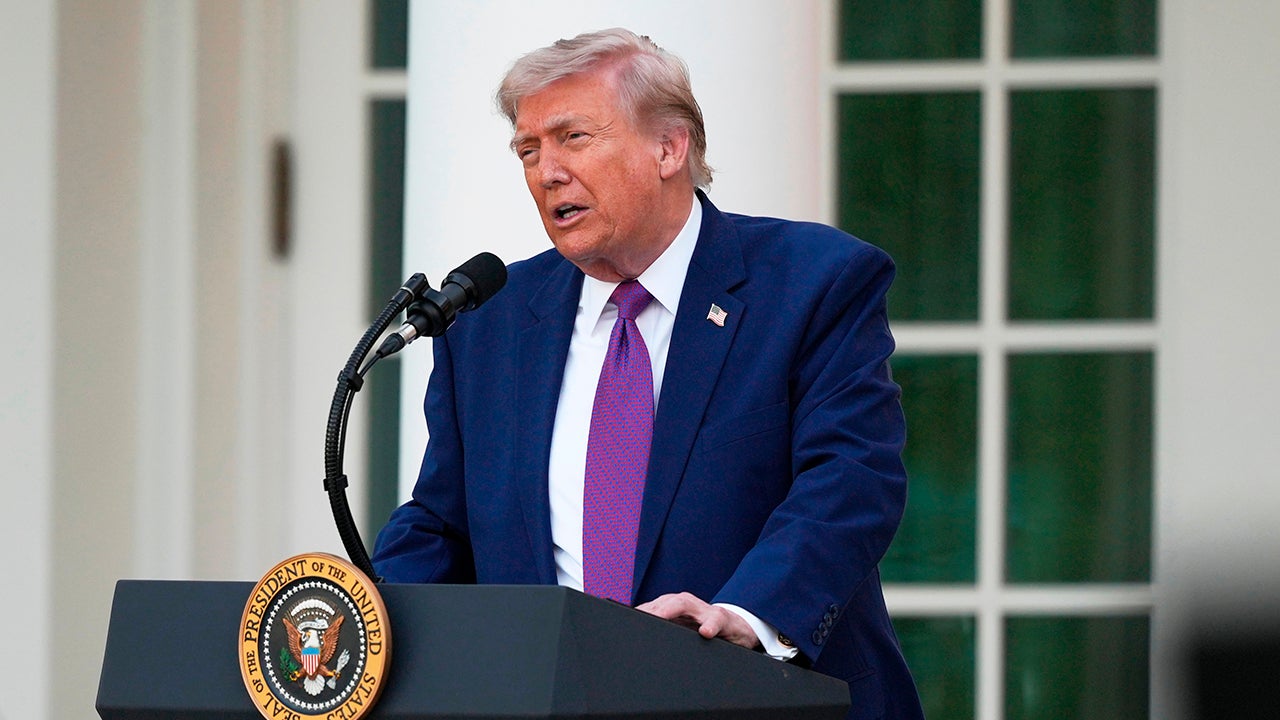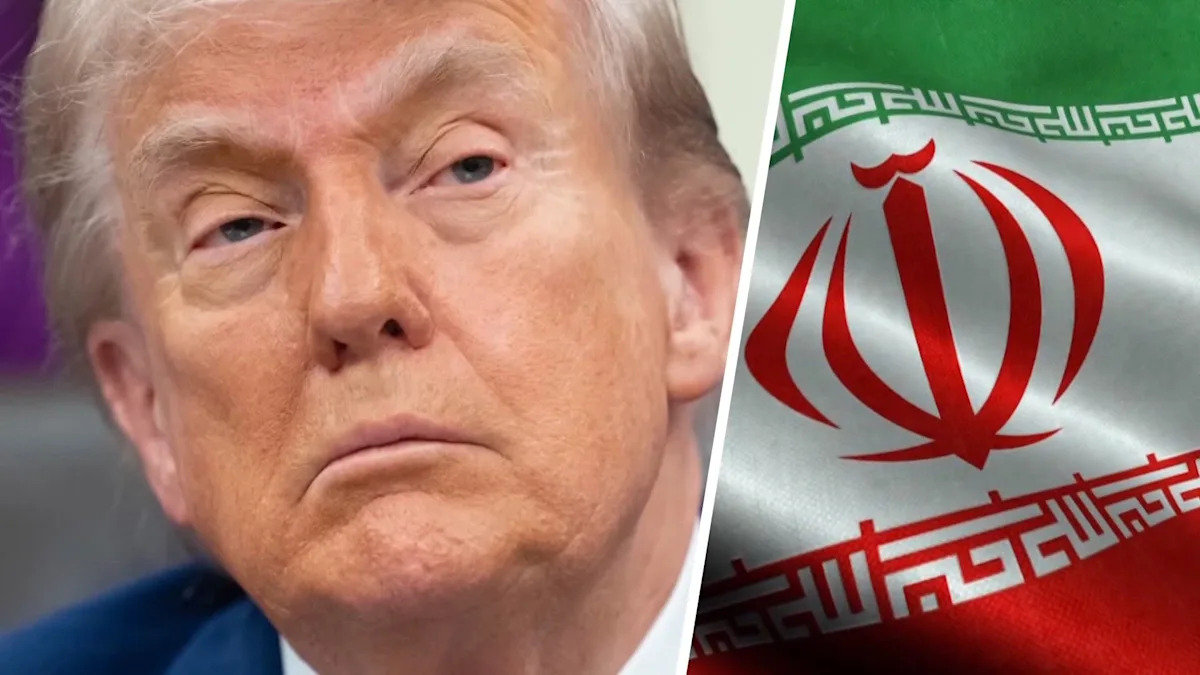
The diplomatic architecture initiated by the April 7 ceasefire has entered a phase of terminal volatility following President Donald Trump’s summary rejection of Tehran’s counter-proposal. By characterizing the Iranian terms as “garbage,” the administration signaled a pivot from de-escalation toward a strategy of maximum friction. This rhetorical escalation places the existing cessation of hostilities on “life support,” creating a strategic vacuum in a regional security apparatus that had briefly stabilized global energy markets.
Strategic Sequencing and the Diplomatic Impasse
The current deadlock hinges on a fundamental discord regarding the sequencing of concessions. Washington maintains a rigid requirement for the total cessation of kinetic activity before addressing Iran’s nuclear ambitions or regional proxy networks. Conversely, Tehran’s proposal demands immediate structural reversals—specifically the lifting of the U.S. naval blockade and war reparations—as a prerequisite for a permanent settlement. This misalignment ensures that neither party can expend the political capital necessary to move beyond the current stalemate without appearing to capitulate on core national security interests.
The dismissal of the Iranian document without a formal review underscores a breakdown in traditional communication channels. This suggests the administration views Iranian demands for compensation as non-starters that do not merit refinement. For institutional stakeholders, this indicates that the probability of a return to active hostilities now outweighs the potential for a negotiated breakthrough, as the baseline for consensus has been effectively erased.
The Weaponization of the Strait of Hormuz
As diplomatic channels fail, Tehran has reasserted its sovereignty over the Strait of Hormuz, directly challenging the international principle of freedom of navigation. This “weaponization” of the waterway is designed to impose a risk premium on the global community, leveraging geography to force international pressure on Washington’s economic sanctions regime. Iran is signaling a willingness to utilize maritime brinkmanship as asymmetric leverage, achieving strategic objectives without the necessity of a direct military engagement against superior naval forces.
Regional intermediaries are reacting to this instability. Qatar’s public warning against using the Strait for “blackmail” reveals a fracture in the regional landscape. As a host to U.S. military assets that maintains pragmatic ties with Tehran, Qatar’s alignment with the U.S. on maritime security suggests that Iran’s tactics may be alienating neighboring powers. The involvement of Turkish Foreign Minister Hakan Fidan further illustrates that the economic consequences of a Hormuz standoff are prompting a coordinated response from regional powers reliant on Gulf energy exports.
Fiscal Attrition and Domestic Political Friction
The Pentagon’s disclosure of a $29 billion expenditure for the conflict introduces a critical fiscal dimension to the administration’s strategy. This “burn rate” represents a significant capital allocation that faces increasing scrutiny from a legislature concerned with the sustainability of long-term regional engagements. The disclosure during a period of diplomatic failure heightens political risk, as the administration must defend vast expenditures on a conflict trending toward escalation rather than resolution.
Domestic opposition is manifesting in direct protests, such as the interruption of Secretary of War Pete Hegseth’s budget testimony. While these protests may not immediately alter policy, they reflect growing scrutiny of the legal and ethical frameworks governing U.S. involvement. This domestic friction constrains operational flexibility, forcing the administration to balance military deterrence against the political fallout of a costly, controversial war. For the defense sector, these figures signal a continued reliance on high-readiness naval and air assets, likely driving procurement cycles for the foreseeable future.
Maritime Sovereignty and the Blockade Standoff
Iran’s demand for an end to the U.S. naval blockade targets the primary tool of Washington’s “maximum pressure” strategy. By framing the blockade as an act of illegal economic warfare, Tehran is attempting to shift the international legal narrative to justify its interference with shipping. However, the U.S. views the blockade as essential to limiting Iran’s ability to fund regional proxies. This creates a structural impasse where the primary mechanism of U.S. leverage is also the primary obstacle to a settlement, leaving no room for the diplomatic middle ground required for a lasting peace.