Edouard Rapidly Develops in Gulf, Threatening Texas and Louisiana with Major Flooding
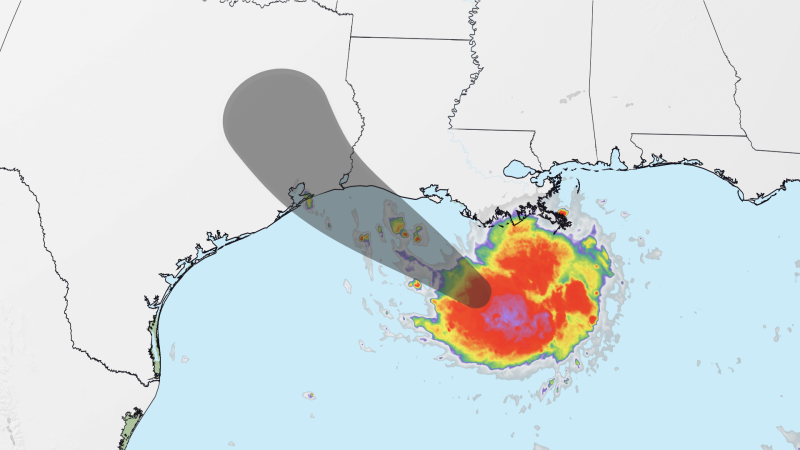
Tropical Storm Edouard has rapidly intensified in the Gulf of Mexico, upgrading from a tropical depression late Monday. The National Hurricane Center (NHC) forecasts further strengthening before its projected Tuesday landfall in Texas, bringing the potential for widespread heavy rainfall and significant flooding to coastal communities.
As of early Tuesday, Edouard was located approximately 85 miles (135 km) southeast of Cameron, Louisiana, and 115 miles (185 km) southeast of Port Arthur, Texas. The storm is moving west-northwest at 7 mph (11 km/h) with sustained winds of 40 mph (65 km/h), indicating an actively organizing system over exceptionally warm Gulf waters.
Flood Threat Dominates Preparedness Efforts
Texas Governor Greg Abbott has highlighted potential inland flooding as the primary concern. Meteorologists project 3 to 6 inches (7 to 15 cm) of rain across the Houston metropolitan area, with isolated amounts potentially reaching 9 inches (22 cm) along the upper Texas coast. Intense rainfall rates, exceeding 4 inches (10 cm) per hour, elevate the immediate risk of flash flooding, threatening infrastructure, transportation, and vulnerable residential and commercial areas.
Hurricane and Tropical Storm Warnings Issued for Vulnerable Areas
A hurricane watch extends from High Island, Texas, to Cameron, Louisiana, signifying the possibility of hurricane conditions within 24-36 hours. This watch heightens the urgency for preparedness as the storm’s intensity is expected to increase. A tropical storm warning is in effect from Port Bolivar, Texas, westward to the Louisiana parish boundary between Vermilion and Iberia, indicating expected tropical storm-force winds impacting a broader coastal zone.
Early Rainfall Signals Intensifying Conditions
Edouard’s outer rain bands have already begun impacting coastal southern Louisiana, delivering heavy showers to areas including Lafayette and New Iberia. This early precipitation serves as a precursor to the more substantial weather expected as the storm’s center approaches.
Projected Landfall and Post-Landfall Weakening
The storm is forecast to make landfall over southeastern Texas late Tuesday, with rapid weakening anticipated immediately after moving inland due to increased land-based friction and loss of warm oceanic energy. This suggests that while the immediate threat is significant, the duration of severe conditions may be limited once overland.
Strategic Preparedness and Resource Mobilization
The issuance of watches and warnings triggers essential preparedness actions by state and local authorities, including the activation of emergency operations centers, pre-positioning of response assets, and public advisories regarding evacuations or shelter-in-place protocols. The economic implications are substantial, with potential disruptions to port operations, offshore energy production, and coastal tourism requiring contingency planning.
Inter-Agency Coordination and Public Communication Critical
Effective management of Edouard relies on robust coordination between federal agencies (NHC, FEMA), state emergency management divisions, and local first responders. Clear, consistent public communication is paramount for safety and informed decision-making. The storm’s rapid development underscores the need for agile response mechanisms and timely information dissemination.
Gulf Coast Vulnerability to Tropical Cyclones
The recurring threat of tropical cyclones in the Gulf of Mexico highlights the inherent vulnerability of the region’s extensive coastal infrastructure and population centers. Edouard’s formation adds to the ongoing season’s risks, necessitating continuous vigilance and preparedness.
Meteorological Drivers of Edouard’s Development
Edouard’s formation is attributed to a confluence of favorable atmospheric conditions, including exceptionally warm sea surface temperatures in the Gulf of Mexico and supportive upper-level wind patterns, providing the energy and structure for tropical cyclone development and intensification.
Infrastructure Strain from Heavy Rainfall
Projected heavy rainfall and potential flash flooding will place significant strain on existing drainage and flood control infrastructure. Many coastal communities possess aging systems that may struggle with extreme precipitation events, leading to localized inundation and highlighting the need for ongoing investment in resilient public works and urban planning.
Impact on Critical Energy Sector Operations
The Gulf of Mexico is a vital hub for the U.S. energy sector. Tropical storms can cause temporary shutdowns of offshore oil and gas platforms and disrupt pipeline networks, impacting national energy supply and global prices. Companies have established protocols for securing assets and suspending operations, but even temporary disruptions carry significant economic weight.
Regional Economic Interdependencies Highlighted
The economies of Texas and Louisiana are deeply interconnected through shared transportation corridors and supply chains. Disruptions in one state can have cascading effects on the other, impacting trade, commerce, and employment. This necessitates a coordinated regional approach to preparedness and response to minimize economic fallout.
Early Warning Systems Essential for Mitigation
The timely detection and forecast of Edouard underscore the critical role of advanced meteorological monitoring and early warning systems. The NHC’s ability to predict the storm’s development provides crucial lead time for preparedness measures, vital for mitigating loss of life and property.
Adaptive Strategies for Coastal Resilience
Coastal communities often develop adaptive strategies based on past experiences, including building code enhancements and land-use planning to discourage development in high-risk areas. Edouard’s impact will likely be analyzed to inform future planning and investment decisions aimed at enhancing long-term coastal resilience.
Federal and State Resource Coordination
The potential for widespread damage necessitates coordinated resource allocation between federal and state agencies. FEMA provides critical financial and logistical support, with the scale of the response contingent on the storm’s impact severity, influencing immediate mobilization of personnel, equipment, and aid.
Significance of Storm Intensity Forecasts
The NHC’s projection of Edouard potentially reaching hurricane strength before landfall is critical information for decision-makers, directly influencing preparedness urgency and resource mobilization. The accuracy of intensity forecasts remains a key area of research due to their significant implications for safety and economic impact.
Long-Term Resilience Planning Beyond Immediate Response
Events like Edouard emphasize the need for long-term economic resilience planning in vulnerable coastal areas. This includes strategic infrastructure investments, economic diversification, and robust disaster preparedness frameworks, moving beyond reactive management to build enduring capacity.
Private Sector Preparedness Integral to Regional Resilience
The private sector, especially businesses in coastal zones, plays a vital role through business continuity plans, asset protection, and employee safety measures. The preparedness of individual businesses contributes significantly to overall regional resilience, mitigating broader economic disruptions.
Continuous Monitoring and Public Information Crucial
Edouard’s evolution highlights the ongoing need for continuous meteorological monitoring and consistent public information dissemination. This ensures that residents and authorities possess the most up-to-date information for critical decisions. Effective warning systems depend on public understanding and adherence to advisories.
Broader Implications for Gulf Coast Weather Patterns
Edouard’s formation is part of a larger pattern of tropical cyclone activity in the Gulf of Mexico, a region inherently susceptible to these phenomena. Understanding these recurring patterns is vital for strategic regional planning, resource management, and adaptation efforts.