
Strategic Implications of Decentralized Information in Franchise Management
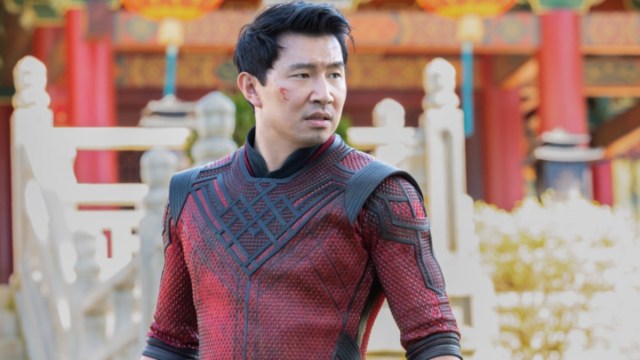
The recent social media activity surrounding Avengers: Doomsday highlights the widening gap between studio-led marketing and the autonomous influence of high-profile actors. When actor Simu Liu amplified fan speculation triggered by artwork shared by Robert Downey Jr., he inadvertently placed a spotlight on the operational vulnerabilities inherent in managing multi-billion dollar intellectual property (IP). This incident demonstrates how quickly unverified information can disrupt carefully orchestrated narrative roadmaps, forcing studios to navigate a landscape where actors act as independent media channels.
The Strategic Imperative of Asset Consolidation
The artwork, which featured logos for franchises like the X-Men and Fantastic Four alongside the New Avengers, represents a calculated move toward full IP integration following the 21st Century Fox acquisition. For Marvel, this is not merely a creative choice but a financial necessity. The studio must demonstrate synergy across its vast portfolio to justify past capital expenditures and combat audience fatigue. By signaling the integration of these legacy characters, the studio attempts to unify disparate narrative threads into a singular, high-stakes cinematic event.
Stakeholder Incentives vs. Risk Mitigation
A primary friction point in modern production is the misalignment of incentives. Actors often engage with fan theories to increase personal brand visibility and maintain audience connection. However, from a studio perspective, such engagement carries significant reputational risk. Premature speculation—such as the rumors surrounding Tom Holland’s involvement—can create ‘gloomy’ public sentiment if expectations are not met or if information leaks contradict the official marketing timeline. Studios now face the arduous task of balancing the benefits of organic viral reach against the necessity of strict information control.
The Evolution of the ‘Speculation Economy’
Modern blockbuster marketing has shifted toward an ‘outsourced’ model, where studios intentionally plant Easter eggs to facilitate a digital ‘speculation economy.’ This audience-driven detective work sustains interest during gaps in production. However, this creates a feedback loop where the audience becomes invested in specific, often unsupported, outcomes. If the film fails to deliver on these fan-generated expectations, the resulting disappointment can lead to tangible market repercussions. Consequently, Marvel must manage not only the film’s production but also the burgeoning expectations of a highly active, speculative fanbase.
Operational Challenges in Cross-Franchise Scaling
Integrating iconic antagonists like Victor Von Doom alongside a massive roster of established heroes presents extreme operational complexity. Beyond the logistical hurdles of ensemble scheduling, the studio must maintain narrative cohesion across properties that were historically managed in silos. The inclusion of Doctor Strange and Spider-Man—characters intrinsically linked to the multiverse narrative—further complicates the structural integrity of the project. Successfully navigating these integrations is essential for maintaining market dominance and ensuring that the high-stakes narrative direction remains coherent as the franchise expands.

Photo by Ribastank on Pixabay.