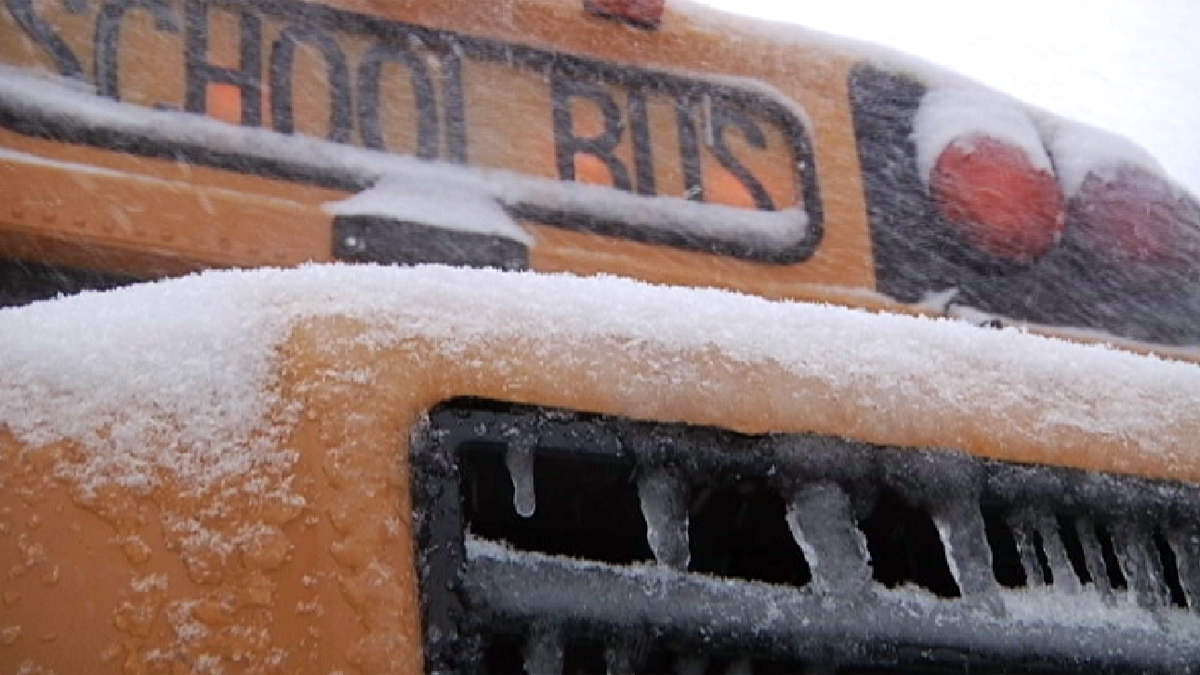
The meteorological event of February 23, 2026, which deposited 14 inches of snow across the Philadelphia metropolitan area, serves as a significant case study in the maturation of institutional remote frameworks. This Nor’easter triggered a sophisticated, tiered response from public, private, and higher education sectors, signaling a definitive departure from traditional ‘snow days’ toward a model of uninterrupted pedagogical continuity.
Strategic Implementation of Flexible Instruction
The Archdiocese of Philadelphia’s proactive transition to a Flexible Instruction Day (FID) for its high schools and parish elementary schools underscores a refined approach to educational risk mitigation. By leveraging digital platforms before the storm’s peak, the Archdiocese preserved the academic calendar and avoided the logistical burden of end-of-year make-up days. This shift represents a structural evolution in labor deployment, where administrative flexibility is used to offset the physical paralysis caused by extreme weather.
For the School District of Philadelphia, the remote learning mandate for Monday, February 23, highlighted the complexities of urban educational logistics. Tasked with managing a vast footprint of aging infrastructure and diverse student populations, the district’s decision prioritized workforce safety while fulfilling state-mandated instructional minutes. This model necessitates a high degree of digital equity, as the institution effectively decentralizes learning from controlled environments to varied household settings.
Operational Nuance in Higher Education
The Community College of Philadelphia (CCP) introduced granular operational distinctions by isolating physical campus closures from specific digital course modalities. The continuation of ‘7A online and hybrid courses’ during a physical shutdown demonstrates a bifurcated resilience strategy. By maintaining revenue-generating academic progress for remote-ready cohorts, CCP maximizes operational efficiency even when municipal transit networks are compromised.
However, this strategy reveals an underlying dependency on regional utility stability. For hybrid models to succeed during high-accumulation events, the digital infrastructure must withstand the same environmental stressors—snow load and wind—that shutter physical facilities. This creates a secondary layer of institutional vulnerability linked to the performance of municipal and private power grids.
Regional Logistics and Recovery Thresholds
A 14-inch accumulation represents a critical threshold for municipal clearing operations, shifting the focus from simple plowing to complex snow relocation. While blizzard warnings were rescinded by Monday afternoon, the immediate threat transitioned to a freeze-thaw cycle. Temperatures dropping into Tuesday, February 24, created a treacherous icing scenario, complicating the decision-making process for school administrators who must evaluate road safety against the desire for physical reopening.
Socio-Economic Implications and Media Integration
The pivot to digital instruction carries significant socio-economic externalities, most notably a childcare crisis for parents who must facilitate remote learning while managing professional obligations. Furthermore, the move to remote models impacts the hourly workforce—bus drivers and cafeteria staff—whose functions lack digital equivalents. As institutions refine their ‘Flexible Instruction’ policies, addressing these labor inequities will be essential to long-term sustainability.
The role of media entities like FOX LOCAL and NBC10 has evolved into a critical node of the public safety infrastructure. By providing real-time data through streaming apps and ‘First Alert’ forecasting, these organizations facilitate the rapid dissemination of institutional mandates. This democratization of information ensures that stakeholders remain informed, supporting the region’s overarching strategy for environmental resilience and crisis management.