
Regulatory Impasse: The Denial of Environmental Authorization
The decision by Mexico’s Secretariat of the Environment and Natural Resources (SEMARNAT) to deny the Manifestation of Environmental Impact (MIA) for Royal Caribbean’s ‘Perfect Day Mexico’ represents a pivotal shift in the region’s regulatory landscape. Announced in May 2026, this rejection halts the construction of a high-density destination in Mahahual, challenging the viability of capital-intensive, large-scale shore excursions in fragile ecosystems.
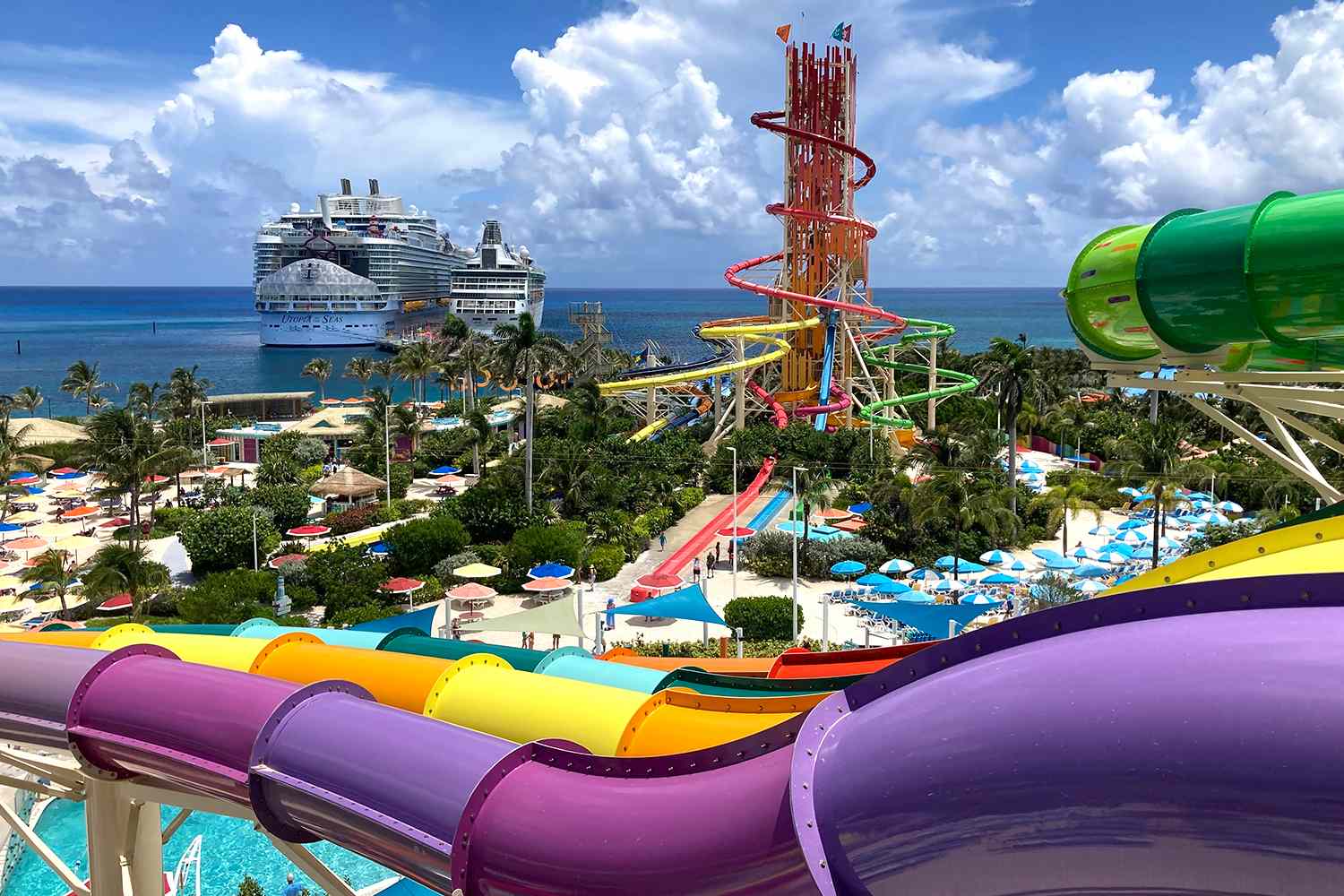
The proposed development, intended to replicate the high-margin success of Bahamian private islands, featured 30 waterslides and extensive artificial beach expansion. However, federal authorities concluded that the project’s infrastructure exceeded the local ecological carrying capacity, raising insurmountable concerns regarding wastewater management and habitat degradation.
Socio-Economic Equilibrium and the Local Economy
Mahahual serves as a vital logistical hub for the Western Caribbean cruise circuit, yet its identity remains rooted in traditional fishing and small-scale tourism. Royal Caribbean’s proposal sought a model of vertical integration—aiming to internalize passenger spending within company-owned assets—which sparked significant friction with local vendors and stakeholders.
By prioritizing a closed-loop revenue model, the project threatened to displace the local economic ecosystem. The regulatory intervention suggests that federal policy is increasingly weighing the ‘social license to operate’ against immediate foreign direct investment, particularly when the proposed developments risk the long-term sustainability of coastal communities.
Digital Mobilization and the ‘Social License to Operate’
The rejection was heavily influenced by a landmark wave of digital activism, spearheaded by a Change.org petition exceeding 4.5 million signatures. This level of mobilization highlights a new era of risk management for cruise operators: the ‘social license’ is now as critical to project viability as technical environmental assessments.
Institutional investors are increasingly viewing such public backlash as a leading indicator of regulatory hurdles. For Royal Caribbean, the failure to secure community buy-in translated directly into a suspension of major capital expenditure, demonstrating the tangible impact of reputational risk on operational growth.
Strategic Implications for the Global Cruise Market
The halt of Perfect Day Mexico forces a recalibration of the industry’s regional growth strategy. As vessel classes expand in size, the reliance on high-margin private destinations to drive per-passenger net revenue increases. This regulatory blockade creates a significant opportunity cost and necessitates a pivot toward lower-impact, distributed excursion models.
This precedent established by the Mexican government signals a heightened level of scrutiny for coastal developments throughout the Caribbean. Operators must now demonstrate net-positive environmental impacts and transparent infrastructure plans to navigate an increasingly rigorous legal and administrative environment focused on biodiversity preservation.
Future Outlook: Revision and Sustainable Infrastructure
Royal Caribbean has indicated a potential restructuring of the proposal to emphasize environmental infrastructure, including coral reef protection and sustainable water sourcing. However, a successful revision will require a substantial reduction in the project’s physical footprint to align with federal conservation mandates.
The outcome of this impasse will likely define the boundaries of cruise industry expansion for the next decade. Success will depend on the industry’s ability to transition from high-impact mass tourism to a model that respects the ecological and social constraints of its host destinations.
Photo by Inglesider on Pixabay.