
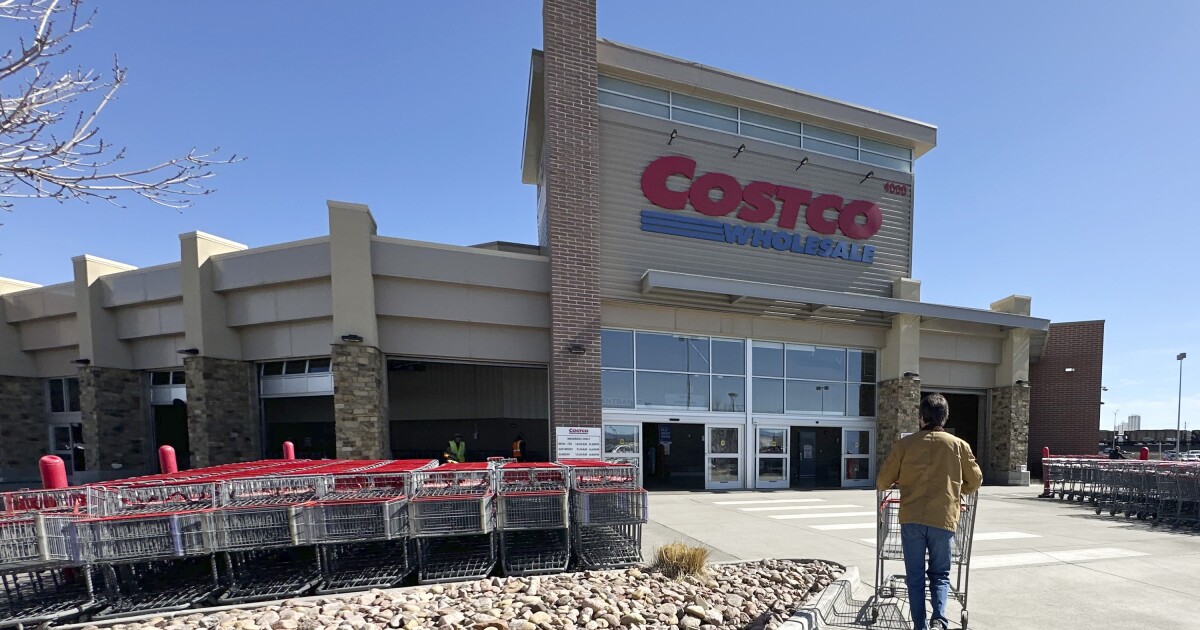
Legal Challenge to Costco’s Membership Renewal System
Costco Wholesale Corporation is confronting a class-action lawsuit initiated by California resident Russel George, which critically examines the retailer’s automated membership renewal protocols. The litigation asserts a failure to comply with specific California statutory requirements concerning the timely provision and delivery of renewal notices for recurring subscription services.
Central to the dispute is California’s mandate: companies must issue a renewal notice between 15 and 45 days prior to an annual membership’s expiration. The plaintiff contends that this notification absence precluded him from terminating his membership, thereby resulting in an automatic charge for a service tier he no longer desired or utilized.
Strategic Imperatives and Regulatory Complexities of Subscription Revenue
This lawsuit underscores the inherent tension between robust, high-retention subscription models and the escalating regulatory scrutiny governing automated billing practices. For Costco, where recurring membership fees – including standard $65 and executive $130 tiers – are a foundational pillar, seamless renewals are paramount for predictable cash flow and sustained operational stability.
While automated renewal processes efficiently minimize customer lifecycle friction, ensuring consistent revenue capture without active user re-engagement, this efficiency simultaneously intensifies the regulatory burden. State-level consumer protection statutes increasingly place the onus on corporations to proactively ensure consumers are transparently informed of their continuous financial commitments.
Navigating California’s Strict Compliance Framework
California law dictates precise requirements for facilitating the cancellation of auto-renewing plans. Statutes mandate that consumers must be afforded cancellation options mirroring their enrollment method or common interaction channels, alongside the provision of a toll-free contact number.
The plaintiff’s claim suggests the alleged failure to provide the statutory notice constitutes more than a procedural lapse; it represents a structural barrier to informed consumer choice. A judicial finding of insufficient notification could necessitate a fundamental overhaul of Costco’s automated communication infrastructure to ensure adherence to state-specific mandates.
Financial Leverage and Enterprise Risk Management
The financial ramifications of this litigation extend beyond individual claims, striking at the core of Costco’s institutional strategy. Membership fees are a critical component of the company’s operating income, subsidizing competitive pricing on merchandise, exemplified by the iconic $1.50 hot dog combo.
Any systemic disruption to the membership renewal process, whether stemming from regulatory intervention or heightened administrative demands, carries the potential to significantly impair this vital revenue stream’s efficiency. Consequently, investors and stakeholders are keenly observing how Costco navigates its aggressive growth strategies amidst evolving legal compliance expectations across its operating jurisdictions.
The Evolving Landscape of Consumer Rights in Retail
This lawsuit serves as a pivotal case study at the nexus of modern retail operations and consumer rights legislation. As digital and automated service integrations proliferate, the legal frameworks designed to mitigate ‘subscription traps’ are undergoing critical real-world validation.
The eventual outcome will likely reshape industry standards for renewal notifications and cancellation pathways among large-scale retailers. By enforcing transparency, regulators are actively compelling a paradigm shift in customer relationship management, transitioning from passive retention to a model predicated on active, informed consumer consent.
Precedential Impact and Long-Term Operational Compliance
This legal action against Costco highlights a broader, intensifying scrutiny over automatic renewal programs nationwide. While Costco does offer established cancellation avenues—including toll-free phone support and in-store options—the legal challenge specifically targets the pre-renewal notification interval.
Should the court determine a deficiency in Costco’s notification procedure, it could establish a significant precedent for how other large-scale, subscription-based enterprises structure their communication timelines. This potential outcome could accelerate the standardization of ‘best practices’ across the retail sector, prompting companies to proactively harmonize their notification systems with the most stringent state laws to effectively de-risk future litigation.
Ultimately, the case exemplifies the dynamic interplay between expansive enterprise models and their governing regulatory environments. As legal proceedings advance, the central question remains whether Costco’s current infrastructure satisfies California’s specific statutory thresholds and what systemic adjustments, if any, will be mandated to ensure enduring operational compliance.

Photo by bosutn on Pixabay.