Artemis II: Validating Deep Space Capabilities and Securing Legacy
The Artemis II mission serves as a critical pathway in NASA’s long-term strategy to establish a sustainable presence on the Moon and facilitate future human missions to Mars. As the first crewed test flight of the Space Launch System (SLS) and Orion capsule, its objectives extend beyond technical validation to encompass strategic messaging. The mission deliberately integrates historical connections to the Apollo program and strengthens international partnerships, crucial tactics for maintaining public support and securing political capital necessary for multi-generational projects.
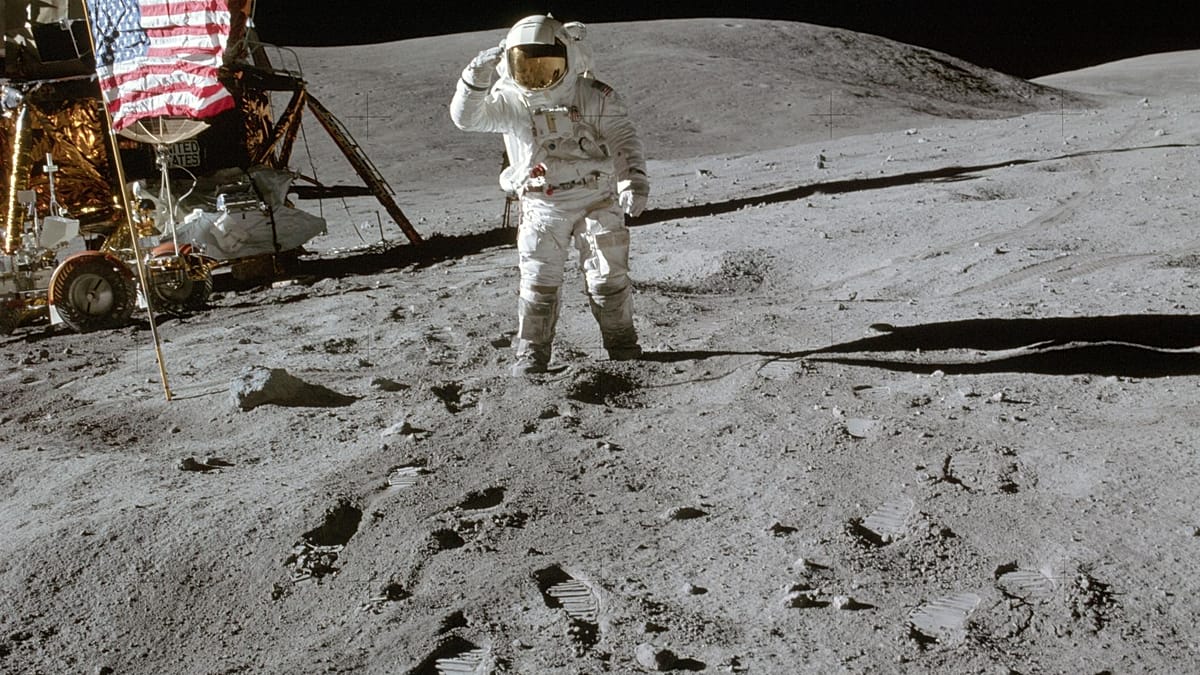
This strategic leveraging of history was demonstrated through specific ceremonial events designed to bridge the five-decade gap between programs. A pre-recorded message from Apollo 13 commander Jim Lovell, referencing his Apollo 8 mission, established a direct lineage between past achievements and current investments. This approach positions Artemis not merely as a new beginning, but as the continuation of a legacy, drawing on the emotional resonance of the Apollo era to justify significant expenditure and maintain narrative coherence.
Operational Validation and Risk Mitigation
Beyond symbolic gestures, Artemis II provided critical technical validation for the new deep-space systems. A key operational milestone involved surpassing the distance record set by Lovell and the Apollo 13 crew in 1970. This achievement, while symbolic, provides tangible evidence of the performance and reliability of the Orion capsule in a deep-space environment. Such validation is essential for mitigating risks associated with future high-stakes missions, particularly the Artemis III lunar landing and subsequent missions aimed at establishing a permanent lunar base.
The mission’s operational success demonstrates institutional continuity, reinforcing the narrative that current efforts build directly upon past success. This contrasts sharply with the Apollo program, which was primarily driven by a high-stakes geopolitical race. Artemis, in contrast, requires sustained public interest over decades to support long-term infrastructure goals. The strategic use of historical figures and operational milestones, such as breaking the distance record, helps transform a complex engineering project into a shared national endeavor and ensures program resilience across changes in political administrations and funding cycles.
International Collaboration and Stakeholder Engagement
A fundamental shift from the Apollo era is Artemis’s reliance on international collaboration. The inclusion of Canadian Space Agency astronaut Jeremy Hansen on the crew highlights this strategic pivot. International partnerships, formalized through the Artemis Accords, distribute costs and risks among partner nations, significantly increasing the program’s long-term viability and global support. The ceremonial recognition of Hansen’s contribution during the mission serves as a public acknowledgment of this multilateral framework, where resources and expertise are shared.
For stakeholders, the success of Artemis II carries significant implications. For NASA, it validates the multi-billion dollar investment in the SLS and Orion programs, providing critical momentum for future funding requests. The validation of the overall program architecture encourages private companies to invest in developing capabilities aligned with NASA’s future needs, accelerating the commercial space sector’s participation in lunar exploration. By connecting current achievements with historical figures, NASA also inspires the next generation of scientists and engineers necessary to execute the long-term goals of lunar and Martian exploration.
In conclusion, the successful completion of Artemis II, encompassing both its technical milestones and strategic public messaging, sets the foundation for Artemis III, the first crewed lunar landing in over five decades. The operational data collected, combined with the successful public relations strategy, will be crucial in mitigating risks and building support for the more complex and high-stakes missions to follow, ensuring the program maintains its trajectory toward establishing a permanent human presence beyond Earth orbit.