Inter-Jurisdictional Scope and Arterial Containment
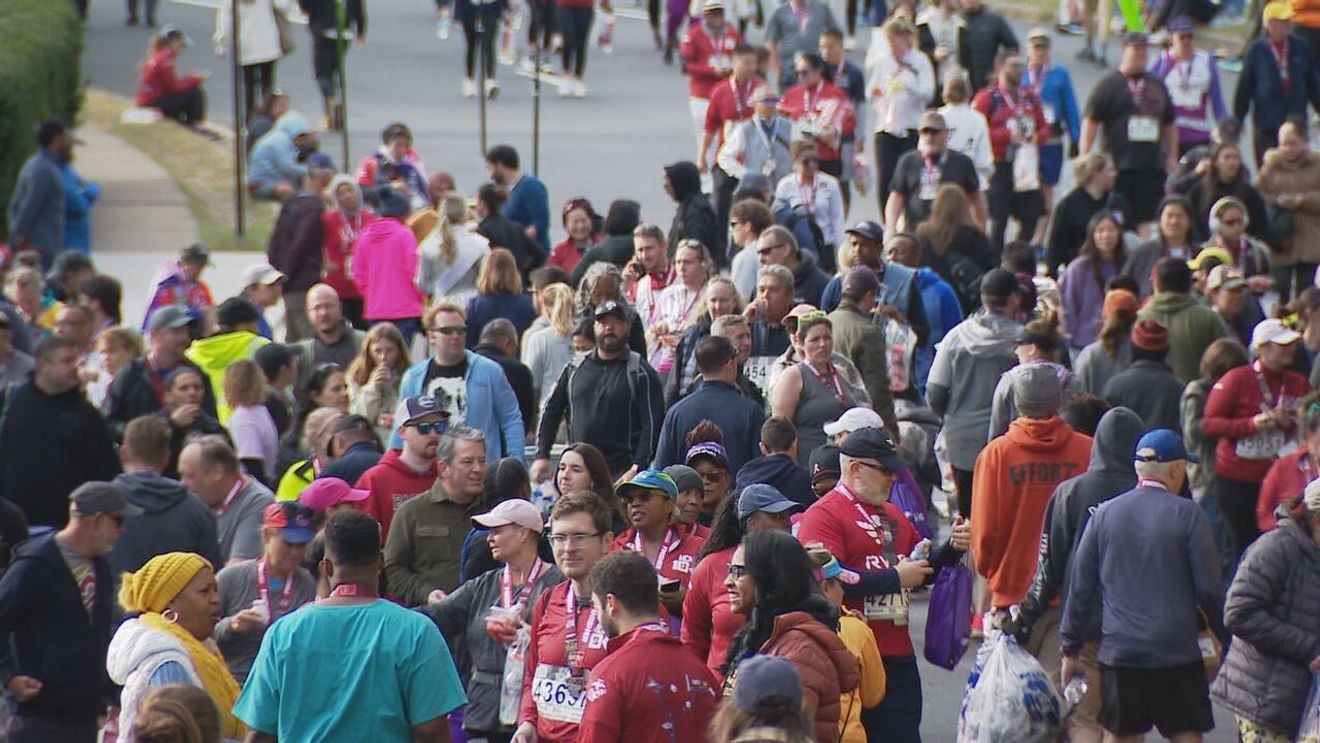
The 51st Marine Corps Marathon requires extensive inter-agency mobilization across the District of Columbia and Arlington County, Virginia. Managing the 26.2-mile course necessitates synchronized operational execution between the Metropolitan Police Department, municipal transit authorities, and regional defense liaisons. Deploying a major endurance event through dense capital sectors demands rigid temporal phasing to mitigate systemic gridlock while maintaining security protocols along sensitive corridors.
Temporal Phasing of Closures and Transit Corridors
Municipal preparations initiate at 2:00 a.m. Sunday with emergency no-parking enforcement along primary downtown thoroughfares, specifically designated sectors of 3rd Street, 7th Street, and 14th Street NW. These clearance protocols secure clearance for emergency response vehicles and establish functional operational buffers ahead of pedestrian convergence.
Dynamic vehicular shutdowns commence at 5:30 a.m. and remain active until approximately 3:00 p.m. The transit boundary isolates high-volume commercial and government arteries, including M Street, Canal Road, Wisconsin Avenue, and K Street. Regional vehicular movement is channeled through mandatory diversions bypassing focal convergence hubs: Georgetown, the National Mall, Rosslyn, the Pentagon reservation, and Crystal City. Across the Potomac, preliminary closures on southbound Route 110 begin ahead of race time, sustaining vehicular barriers into the evening to facilitate phased infrastructure clearance.
Start-Line Structural Reengineering
For this 51st running, race directors modified staging methodologies adjacent to the Pentagon. Operational architecture transitioned from self-selected open starting packs to bib-designated assigned corrals based on validated projected finish times. Supervised directly by stationed Marines, this procedural standard accelerates starting flow, minimizes field friction, and eliminates early-mile bottlenecks on the arterial access paths.
Metropolitan Transit Equilibrium and Environmental Constraints
Conducting athletic operations amid morning temperatures in the 40s tests cross-jurisdictional municipal resilience. The event demonstrates the administrative complexity of civil-military coordination within active urban environments. As corridor checkpoints systematically reopen through Sunday afternoon and evening, municipal networks transition back to standard transit operations, providing an empirical benchmark for modern high-density public event management.