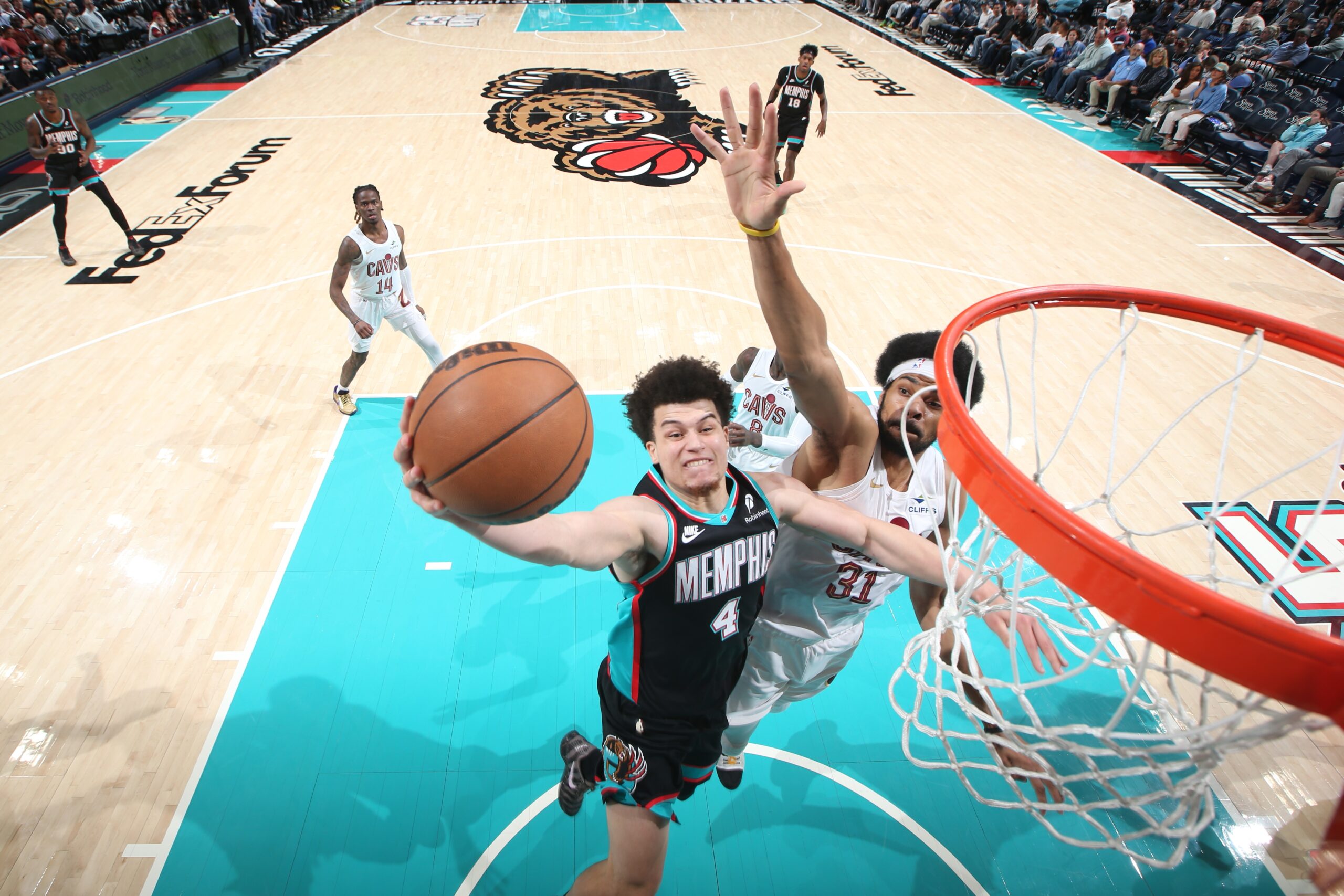
The Dallas Mavericks have executed a strategic roster adjustment ahead of their home slate, securing guard Walter Clayton Jr. on a two-way contract. This transaction follows his release by the Memphis Grizzlies and arrives immediately after a 128-110 season-opening loss to the Houston Rockets—a contest that highlighted the Mavericks’ acute need for secondary shot creation. By acquiring a player selected 18th overall in the 2025 NBA Draft, Dallas is leveraging two-way mechanics to secure a high-pedigree asset at a minimal financial pivot point.
CBA Mechanics and the Distressed Asset Strategy
Modern NBA front offices increasingly use two-way slots as speculative instruments for talent reclamation. For Dallas, the acquisition of Clayton represents a low-risk, high-reward play on a former first-round selection. Under the current Collective Bargaining Agreement, a two-way designation allows the Mavericks to bypass standard roster limits and luxury tax penalties while retaining the exclusive right to convert Clayton to a standard NBA contract should he demonstrate rotational utility. This ‘optionality’ is essential for a franchise operating within the constraints of a championship-contending salary cap.
Clayton’s professional trajectory—moving through Utah and Memphis within his first year—reflects the volatility of young guards in rebuilding environments. His time with the Utah Jazz was marred by organizational prioritization of future assets over immediate tactical structure, forcing him into suboptimal offensive roles. Dallas offers a more stabilized developmental baseline, where his responsibilities are clearly defined within a veteran-led system.
Collegiate Pedigree and Shot-Making Translation
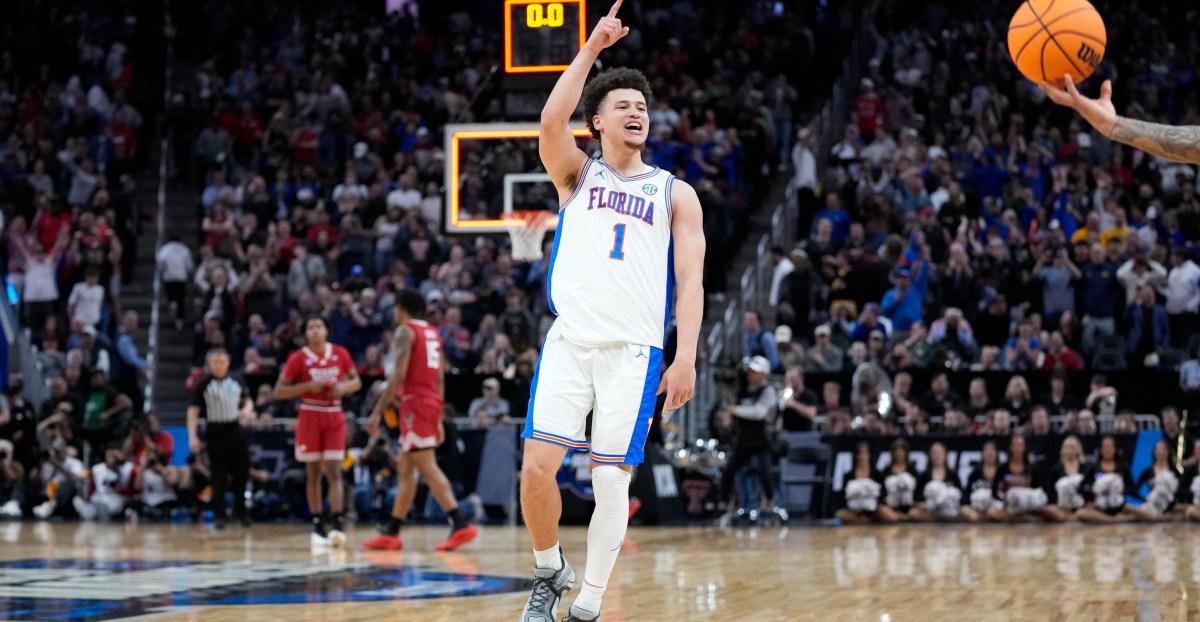
The core of Clayton’s appeal remains his elite collegiate profile. At the University of Florida, he established himself as a high-leverage engine, specifically during the 2025 NCAA Tournament. His ability to manufacture offense against disciplined defensive schemes, notably against UConn and Texas Tech, solidified his draft stock. However, the transition to the NBA requires a shift from a high-usage collegiate star to an efficient secondary connector.
The structural friction Clayton encountered in Utah and Memphis was largely a product of poor spacing and shifting developmental priorities. In Dallas, the offensive gravity generated by primary stars should provide Clayton with the cleanest looks of his professional career. If he can translate his perimeter marksmanship into a consistent catch-and-shoot role, he addresses the scoring droughts that were evident during the recent defeat in Houston.
Tactical Integration and Defensive Mandates
The Mavericks’ 128-110 loss to the Rockets exposed a lack of perimeter ball-handling depth when primary options were off the floor. Clayton provides an explosive archetype that the current bench lacks, but his path to sustained minutes requires defensive evolution. Head coach Jason Kidd’s system demands rigorous point-of-attack containment and high-IQ rotations. Clayton’s offensive upside is established; his professional longevity will now depend on his ability to meet Dallas’s defensive benchmarks and process semi-transition scenarios with higher efficiency.