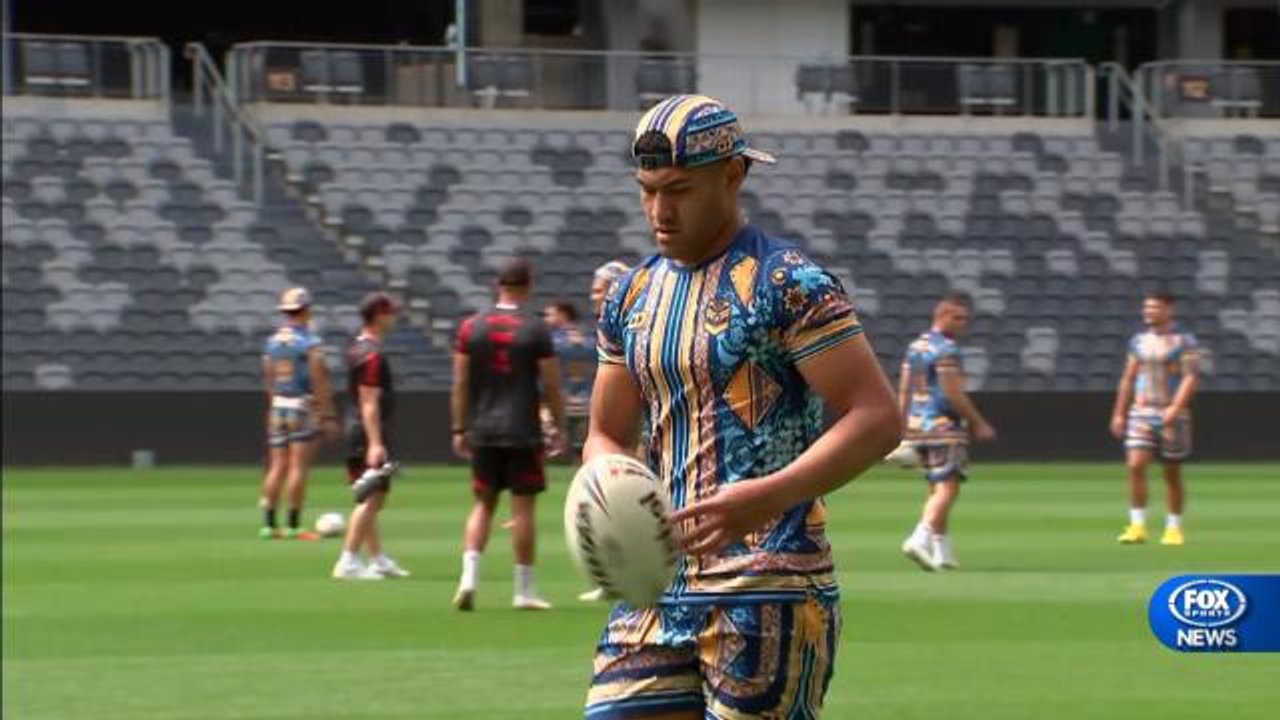
Tonga faces an immediate tactical recalibration in its Rugby League World Cup campaign following the withdrawal of starting halfback Isaiya Katoa. A minor ankle injury sustained prior to the Lebanon fixture has necessitated a reshuffle of the team’s spine, presenting an early test of squad depth.
Team officials anticipate Katoa’s return for the subsequent group match against Samoa, with the current substitution serving as a precautionary measure for roster durability. For the Lebanon encounter, Latu Fainu has been elevated to partner veteran playmaker Tuimoala Lolohea in the halves.
Roster Management and Tactical Adjustments
Katoa’s absence introduces an operational variable into a lineup that secured a 30-12 opening victory over England. While that win bolstered Tonga’s semi-final prospects, coaching staff must now maintain momentum with a modified playmaking combination.
Fainu assumes the primary playmaking role, with Lolohea taking on augmented responsibility for field direction and tactical kicking. This structural realignment demands immediate cohesion against an opponent eager to exploit any disruption in Tonga’s primary attacking axis.
Beyond the halves, Tonga retains significant continuity in its core personnel. Lehi Hopoate starts at fullback, supported by wingers Sione Katoa and Jojo Fifita, and centers Tolutau Koula and Paul Alamoti.
The forward pack offers considerable stability, led by captain Jason Taumalolo at lock. Addin Fonua-Blake and Stefano Utoikamanu anchor the front-row rotation alongside hooker Salesi Foketi, with Haumole Olakau’atu and Kulikefu Finefeuiaki covering the edges.
The interchange bench provides further reinforcement for the middle unit, featuring Soni Luke at dummy-half, front-row power from Taniela Paseka, utility forward Leka Halasima, and versatile outside back Dallin Watene-Zelezniak.
Lebanon Seeks Competitive Performance
Lebanon enters the fixture requiring a significant performance improvement following a 42-18 defeat against Papua New Guinea. Despite competitive first-half exchanges, Lebanon experienced a second-half breakdown, allowing PNG to secure a decisive victory.
The second-half structural issues highlighted vulnerabilities in sustained defensive efforts under pressure. Addressing these lapses will be critical when confronting Tonga’s physically imposing forward pack.
To challenge the World No. 5 nation, Lebanon must focus on territorial control and sustained execution to prevent prolonged defensive sets. While Katoa’s absence presents a tactical opportunity, neutralizing Tonga’s formidable forward dominance remains Lebanon’s primary structural challenge.
Analytical Forecasts Highlight Competitive Divide
This fixture occurs amidst growing commentary on competitive balance within the tournament’s second week. Analysts Chad Townsend and Jimmy Smith have articulated concerns regarding expected scoring margins in upcoming fixtures.
Townsend characterized the upcoming schedule as potentially uncompetitive, predicting large margins of victory for favored nations. He suggested that top teams could exceed fifty points, citing Samoa potentially scoring fifty against Papua New Guinea while conceding around twenty.
Smith echoed this sentiment, forecasting a one-sided contest between England and France, and a dominant win for New Zealand over the Cook Islands. Townsend reinforced this by predicting England would surpass fifty points against France.
Quantifying Tier Disparities
These prognostications reflect measurable structural divergence across international rugby league tiers. For the five men’s fixtures scheduled in this round, the average ranking difference between competing teams is eight positions.
The Tonga vs. Lebanon matchup presents the widest statistical gap of the current tournament phase. Tonga is ranked World No. 5, while Lebanon is positioned at World No. 23, an eighteen-place differential.
Other matchups also showcase significant ranking separations: World No. 1 Australia faces World No. 7 Fiji; World No. 2 New Zealand meets World No. 8 Cook Islands; and World No. 3 England plays World No. 11 France.
The contest between World No. 4 Samoa and World No. 6 Papua New Guinea represents the narrowest gap on paper, with only two ranking places between them. Despite this relative proximity, analysts anticipate that top-tier talent will still result in substantial scoring differentials.
Tournament Trajectories and Strategic Considerations
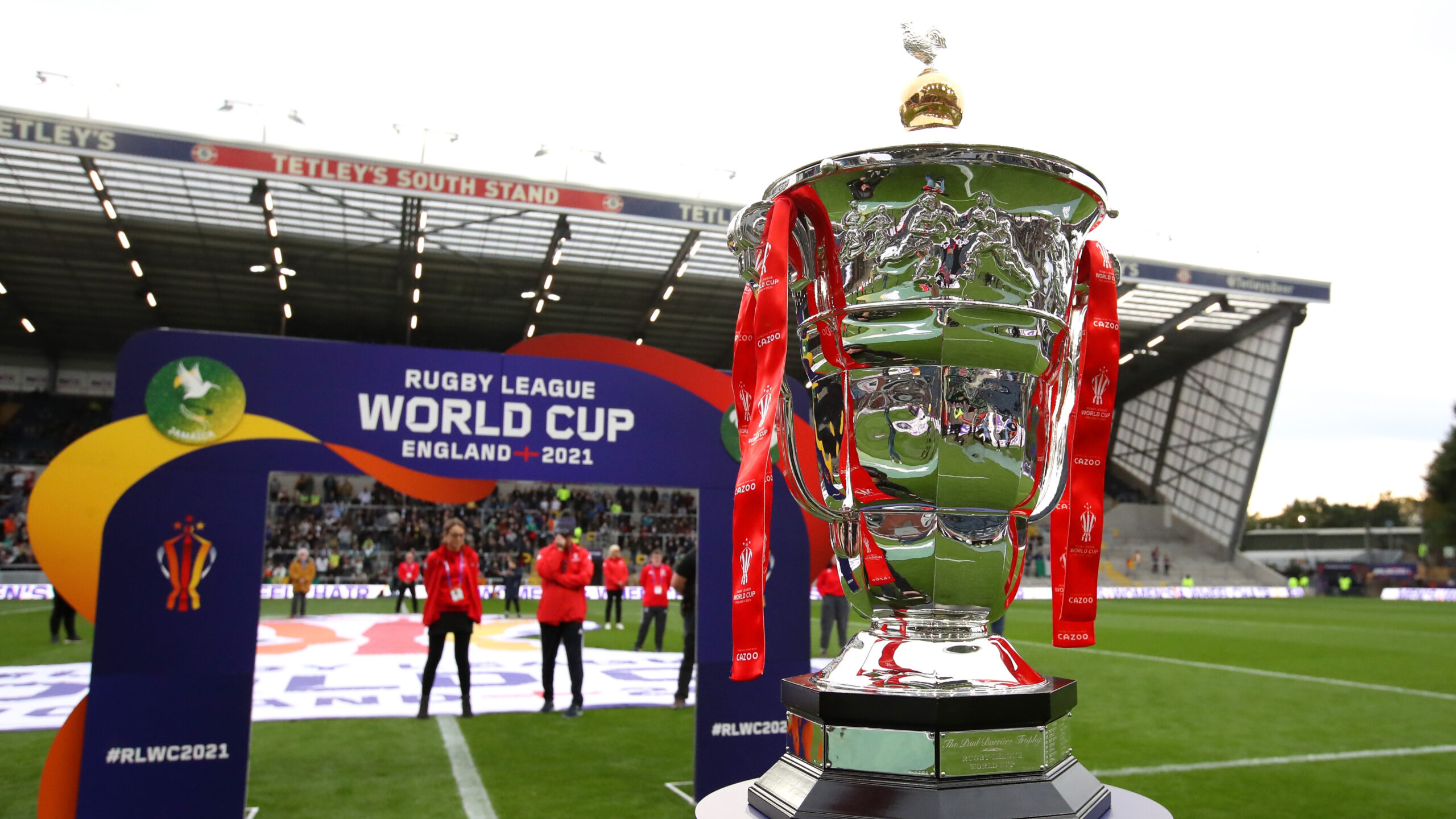
The Rugby League World Cup’s opening week established notable performance divergences. Australia secured a narrow victory over New Zealand, Samoa delivered an emphatic win against France, and Tonga achieved an upset victory over England.
For Tonga, navigating the Lebanon fixture without compromising physical readiness is paramount ahead of their crucial match against Samoa. Coaching staff face the challenge of securing group points while preserving key personnel, especially with Katoa’s expected return.
Broadcast coverage through Fox Cricket and Kayo Sports adds commercial scrutiny to the perceived competitive quality of these matches. When ranking disparities lead to predictable outcomes, tournament organizers face broader questions regarding scheduling formats and the development gap between established and emerging rugby league nations.
With Fainu stepping into the halves, Tonga’s immediate focus is on tactical discipline and controlling tempo against Lebanon. A strong performance will reinforce their path to the semi-finals while mitigating operational risks stemming from unexpected squad alterations.