
Transactional Diplomacy and the Sanctions Paradigm Shift
The Trump administration’s bilateral agreement to lift sanctions on Russian diesel in exchange for significant fuel imports marks a pivot from ideological isolationism to transactional realism. By reintegrating Russian refined products into the domestic supply chain, the United States has effectively decoupled its energy policy from the rigid multilateral sanctions framework maintained since 2022. This shift signals a prioritization of domestic consumer price stabilization over the long-term strategic objective of financial strangulation of the Russian energy sector.
This unilateral easing undermines the ‘maximum pressure’ doctrine. Historically, the efficacy of economic statecraft depends on the collective adherence of major powers to restrict capital flows. By providing an outlet for Russian middle distillates, the U.S. has introduced a precedent of sanction elasticity, potentially incentivizing other global stakeholders to seek similar carve-outs based on national economic necessity rather than collective security objectives.
The ‘Breating Room’ Dilemma: Impact on the Ukraine Peace Process
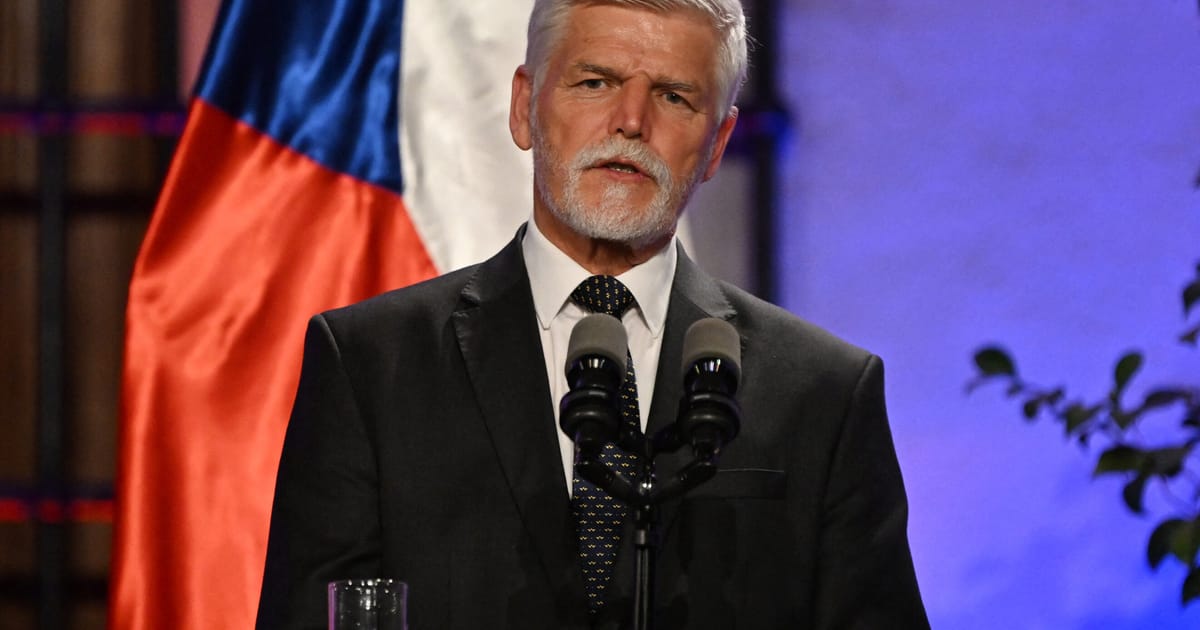
Czech President Petr Pavel has provided a sobering assessment of this policy shift, arguing that the timing of the deal interrupted a period of maximum Russian vulnerability. According to Pavel, the cumulative effect of Western embargoes had brought Moscow to a critical inflection point where a ceasefire was diplomatically viable. The restoration of high-value diesel exports provides the Kremlin with both hard currency and a psychological reprieve—effectively granting the Russian economy the ‘time to breathe’ necessary to sustain a war of attrition.
The strategic cost is measured in the dilution of diplomatic leverage. As the existential pressure on the Russian industrial base dissipates, the incentive for Moscow to offer meaningful concessions at the negotiating table diminishes. This divergence in strategy has created a rift between Washington and its European partners, who remain more directly exposed to the security implications of a prolonged conflict and view the deal as a premature abandonment of economic coercion.
Market Volatility and the Myth of the Panacea
Despite the administration’s focus on supply influx, market analysts and Senator Jim Risch suggest that the impact on retail prices may be marginal. The global diesel market is governed by complex refining bottlenecks and logistical constraints that a single bilateral agreement cannot easily resolve. While the deal secures a specific volume for the U.S. market, it does not address the systemic shortages in the global pool of middle distillates. In essence, the deal may simply re-route existing supply chains rather than expanding total global capacity.
Furthermore, the persistence of high energy prices—driven by robust global demand and structural underinvestment in refining—threatens to render the political cost of the deal disproportionate to its economic benefit. For the private sector, the move introduces new layers of regulatory and reputational risk, as businesses must now navigate a landscape where sanctions compliance is subject to rapid executive pivots rather than established international protocols.
Conclusion: The Future of Energy as a Hegemonic Tool
The U.S.-Russia diesel accord serves as a case study in the limits of economic warfare. By demonstrating that sanctions are negotiable for commodity relief, the U.S. has fundamentally altered the credibility of future diplomatic threats. Whether this pragmatism leads to a stabilized domestic economy or merely emboldens revisionist actors remains the central debate. For now, the global response to the Ukraine conflict has moved from a phase of unified resistance to one of fragmented interests, where energy needs increasingly override long-term geopolitical stability.

Photo by geralt on Pixabay.