Clinical Hospitalization and Demise in Chennai
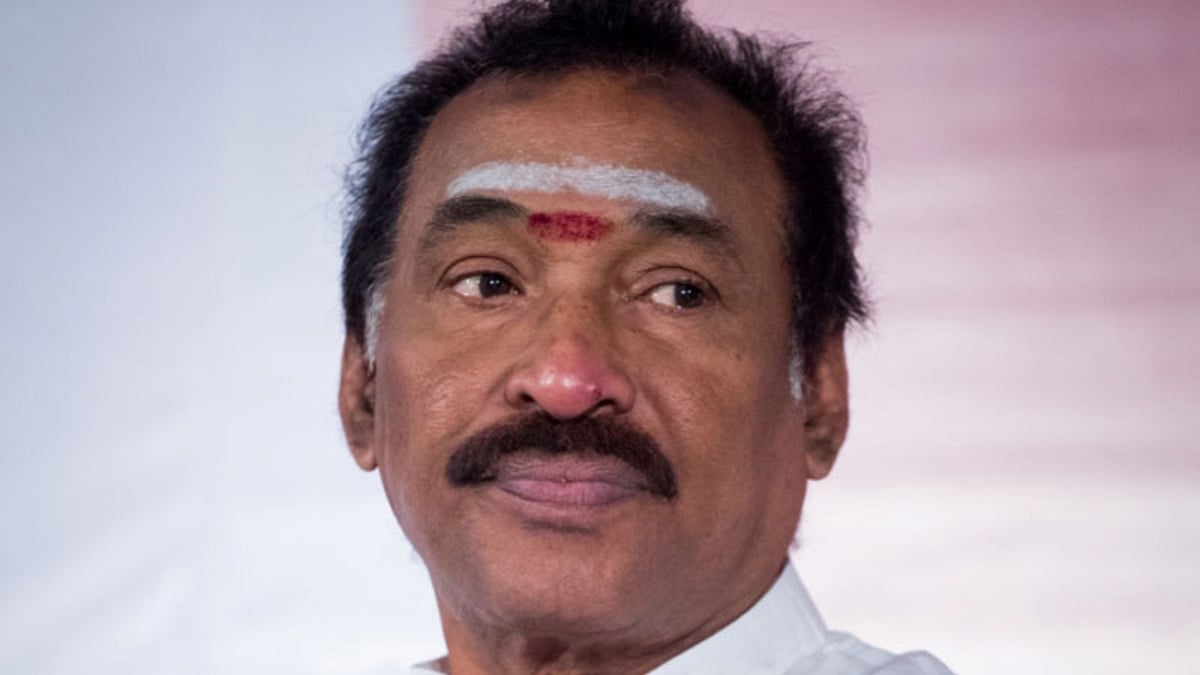
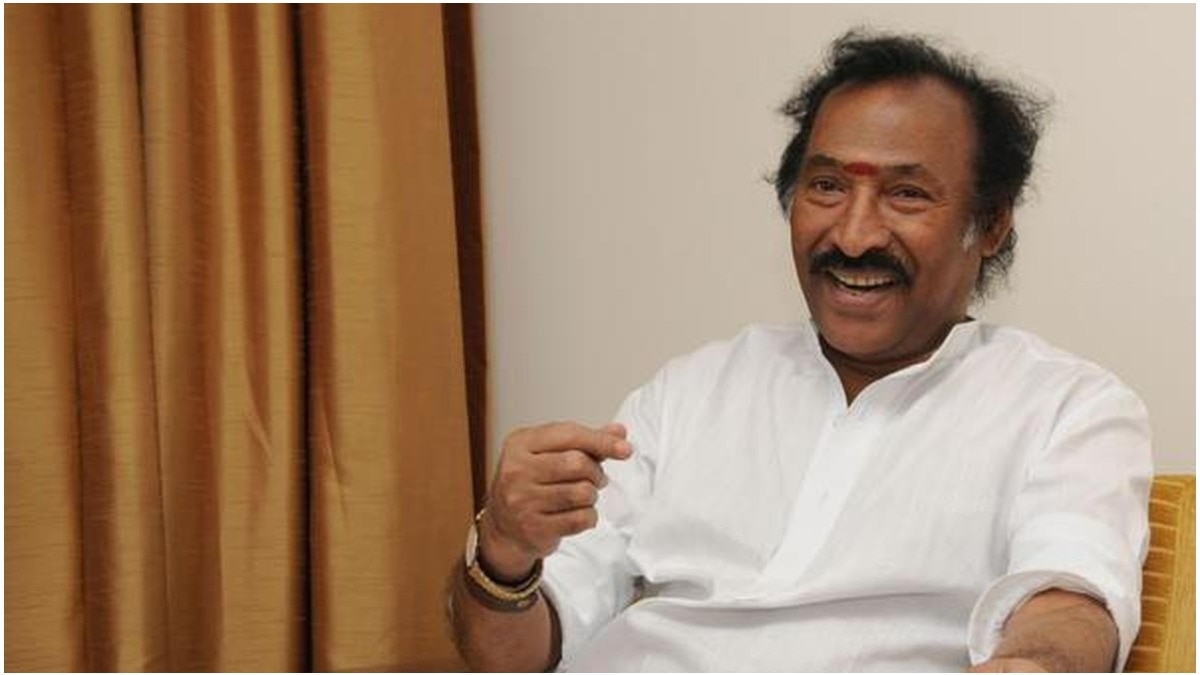
Veteran composer and playback singer Devanesan Chokkalingam, professionally known as Deva, died on Saturday, October 17, at age 75. According to reports from regional media including Nakkheeran, Deva was admitted to Surya Hospital, a private healthcare facility in Chennai, at approximately 8:30 a.m. following acute health complications, succumbing shortly thereafter. Medical authorities and family members have not disclosed the specific etiology. His mortal remains were subsequently moved to his residence in T Nagar, Chennai, for public and industry homage.
Socio-Musical Impact: Institutionalization of Gaana
Deva fundamentally altered Tamil film music by incorporating Chennai’s working-class gaana folk tradition into mainstream orchestral production. Prior to his commercial breakthrough, regional soundtracks were largely anchored in formal classical and light-music frameworks. Deva’s structural hybridity democratized studio scoring, establishing an enduring vernacular idiom that reshaped soundtrack retail economics and audience reception throughout southern regional cinema.
Prolific Output and Inter-Industry Reach
Born on November 20, 1950, Deva compiled a portfolio exceeding 400 feature films over four decades. While centered in Tamil cinema, his discography extended across Kannada, Telugu, and Malayalam film industries. His production volume peaked during the 1990s, driving physical audio cassette sales and cementing soundtrack hooks as primary marketing engines for commercial cinema.
Catalog Milestones and Sonic Branding
Deva’s marquee collaborations produced definitive commercial soundtracks, including Annamalai, Baashha, Aasai, Kadhal Kottai, Nerrukku Ner, Ninaithen Vandhai, Priyamudan, Vaalee, and Kushi. Crucially, Deva composed the audio fanfare accompanying Superstar Rajinikanth’s theatrical title card, creating a permanent intellectual property asset that remains embedded in the actor’s contemporary releases.
Cross-Generational Influence on Contemporary Formats
Deva maintained creative engagement with emerging production styles, publicly validating independent artists who built upon his rhythmic foundations. Following the release of Meesaya Murukku 2, Deva initiated contact with composer-filmmaker Hiphop Tamizha Adhi to commend his score, a dynamic Adhi shared publicly. The interaction underscored Deva’s lasting role as the structural precursor to modern Tamil hip-hop and urban crossover genres.