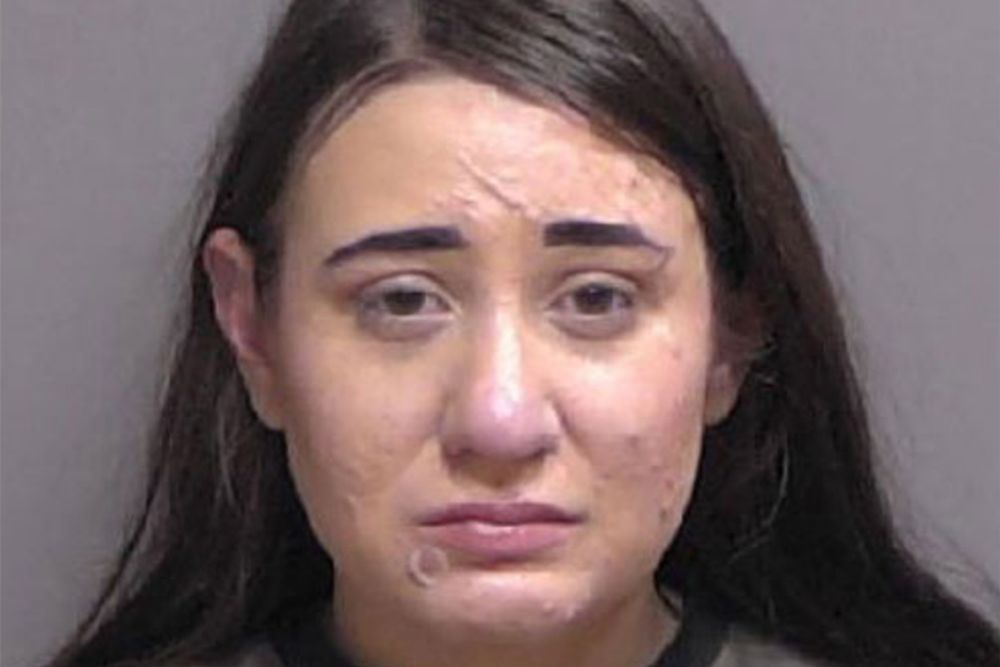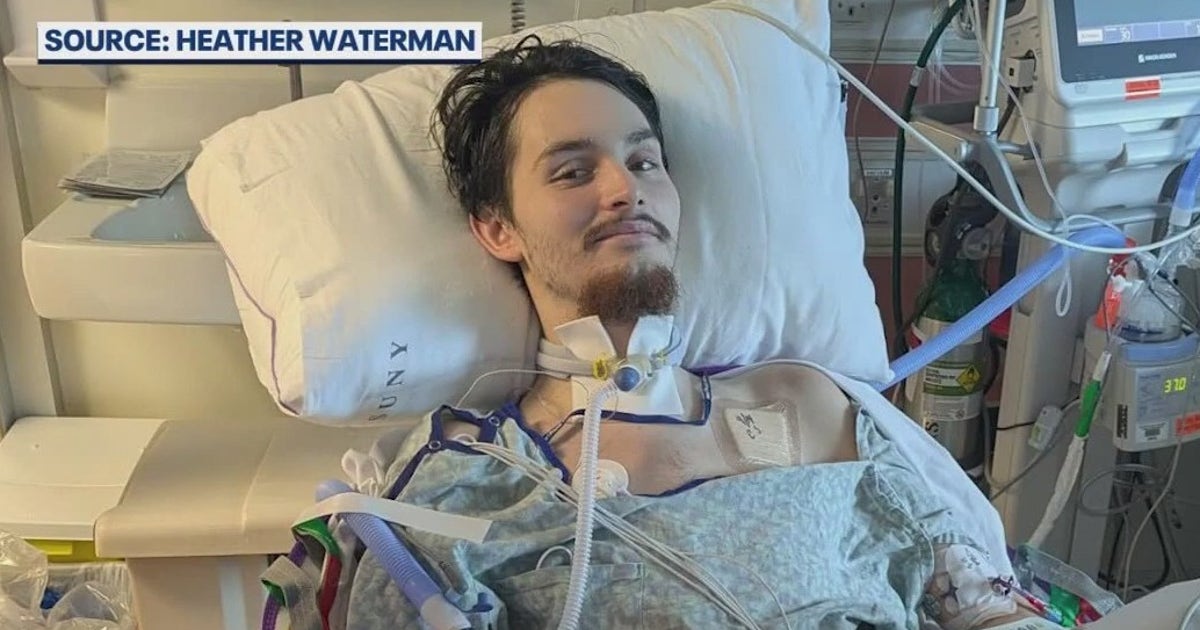
A Flagler County jury in Bunnell, Florida, has found twenty-five-year-old Leigha Mumby guilty of vehicular homicide and reckless driving causing serious bodily injury following a two-day trial. The verdict establishes statutory liability for a high-velocity collision on Interstate 95 that quadriplegically incapacitated and ultimately killed her twenty-two-year-old passenger, Daniel Waterman.
Kinematic Reconstruction and Crash Telemetrics
The incident occurred on February 9, 2025, along the Interstate 95 corridor in Flagler County. Crash reconstruction data compiled by the Florida Highway Patrol established that Mumby operated the vehicle at speeds peaking above 100 mph, maintaining a recorded velocity of 94 mph immediately prior to impact.
Telemetric data indicated that while traveling at 94 mph, Mumby executed a sudden, sharp left steering input without braking. The directional shift forced the vehicle off the roadway, traversing the shoulder corridor before colliding with multiple trees. Waterman sustained catastrophic cervical spine fractures, resulting in immediate quadriplegia. He remained hospitalized in critical care for eight months until dying from secondary pneumonia complications on October 8, 2025.
Trial Arguments and Causation Doctrine
Assistant State Attorney Melissa Clark centered the State’s case on telemetric speed records and contemporaneous cabin behavior. Prosecution evidence demonstrated that the crash was preceded by an escalating confrontation regarding suspected infidelity after Mumby reportedly discovered messages on Waterman’s mobile phone. The State argued that Mumby, who was pregnant with Waterman’s child, weaponized dynamic driving behavior by combining triple-digit speeds with reckless steering inputs.
The defense argued that the departure from the travel lane was an unintended consequence of an uncontrolled cabin disturbance rather than willful, wanton misconduct. However, the State established that the initial reckless driving constituted an unbroken chain of proximate causation leading directly to Waterman’s secondary respiratory death eight months later, satisfying the statutory threshold for vehicular homicide.
Sentencing Exposure and Judicial Precedent
Seventh Judicial Circuit State Attorney R.J. Larizza stated that the conviction demonstrates the prosecutorial utility of advanced collision diagnostics, noting that electronic event data recorders and kinetic analysis provided the objective basis needed to satisfy the statutory threshold of reckless disregard for human life.
Following the delivery of the guilty verdicts on both felony counts, Mumby was remanded into custody. Under Florida sentencing guidelines, the combined convictions carry a maximum statutory exposure of up to twenty years in state prison, with formal sentencing to be determined at a subsequent hearing.