Strategic Deployment of Posthumous Intellectual Property
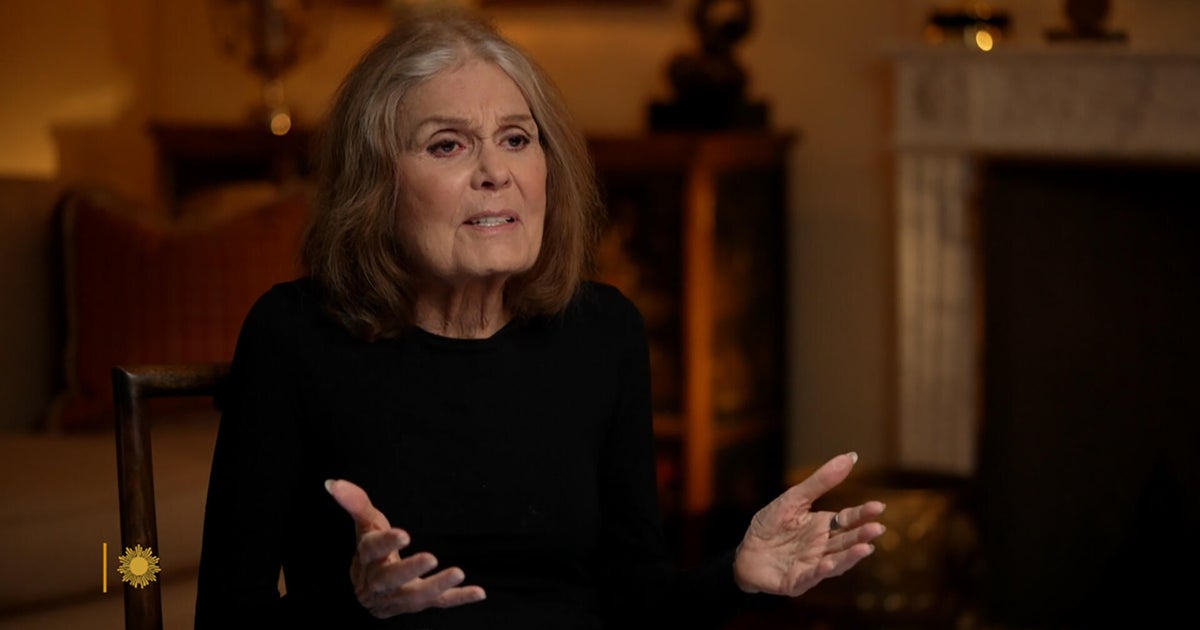
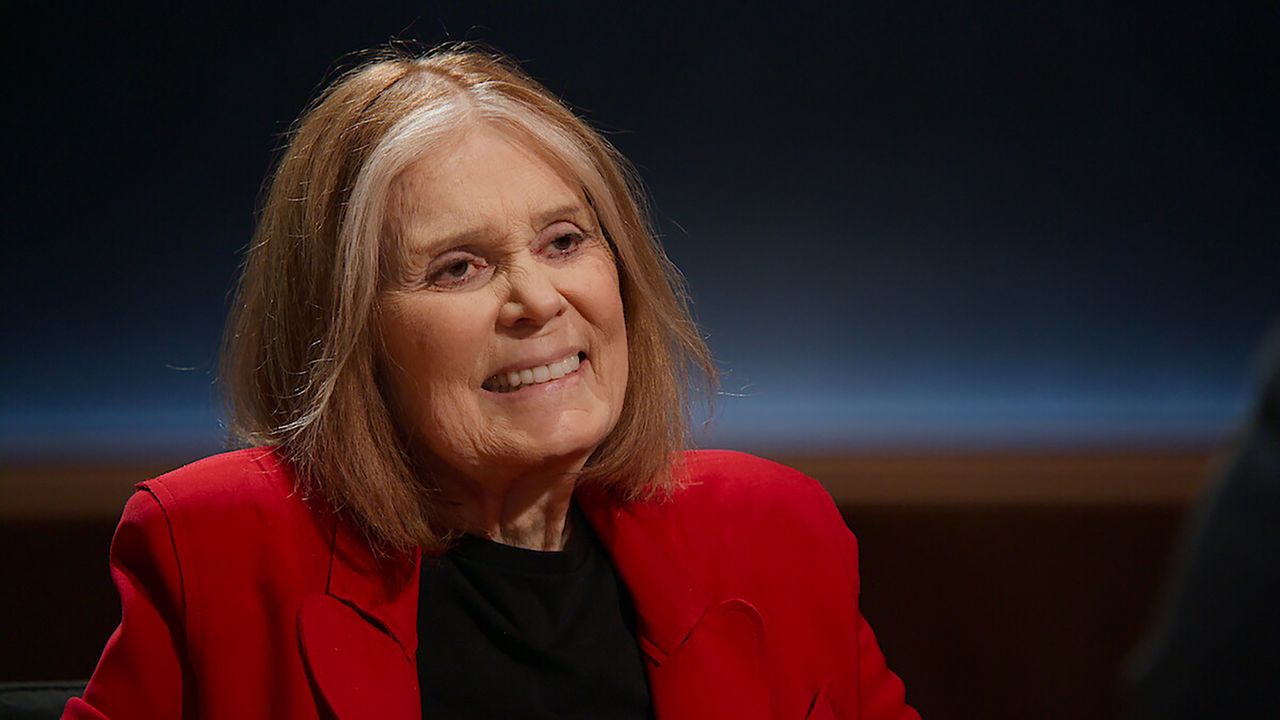
The death of Gloria Steinem on September 2, 2026, at age 92, served as the operational trigger for Netflix’s sophisticated content deployment engine. Within hours, the platform activated the inaugural episode of “Famous Last Words,” a series designed for posthumous release. This move represents a shift from reactive obituaries to proactive, curated legacy management, securing long-term platform prestige through ‘vaulted’ interviews conducted years prior.
Netflix’s synchronization of the release—dropping at 5 P.M. Eastern to coincide with peak global search momentum—demonstrates a high level of institutional readiness. By capturing the immediate surge in social media discourse, the platform transforms a moment of cultural loss into a high-utility asset activation, ensuring the subject’s final reflections are delivered with maximum algorithmic impact.
Institutional Continuity: The Physical and Digital Nexus
Steinem’s legacy is anchored by a dual-track strategy: digital immersion via streaming and physical preservation via her New York City brownstone. Designated as a “sanctuary for feminism,” the preservation of this headquarters prevents the fragmentation of her intellectual movement. While the Netflix series provides ephemeral, high-reach engagement, the brownstone acts as a structural anchor, ensuring the movement’s strategic base remains an active organizational asset rather than a liquidated real estate commodity.
Media Economics: From Print Advertising to Subscription Prestige
The evolution from Steinem’s founding of Ms. Magazine to her Netflix debut illustrates a radical shift in media incentives. While Ms. relied on bridging radical theory with mass-market commercial viability—exemplified by the iconic Wonder Woman cover—the Netflix model prioritizes Lifetime Value (LTV) and library prestige. In this subscription-based ecosystem, the value of a cultural icon is measured by their ability to drive platform authority and provide evergreen content that resists immediate obsolescence.
The ‘Famous Last Words’ Production Framework
Produced by Brad Falchuk and Ryan Murphy, “Famous Last Words” utilizes a unique contractual framework where death serves as the definitive release trigger. This model mitigates the risk of content becoming dated, capturing subjects like Jane Goodall and Eric Dane in a state of intellectual clarity. The ethical buffer provided by producers—framing the release as a matter of destiny rather than corporate calculation—allows Netflix to handle sensitive biographical material with an exclusivity that traditional news outlets cannot replicate.
Market Implications for Legacy Management
The success of the Steinem activation signals a burgeoning market for “prestige legacy” programming. As streaming services compete for the “final words” of aging icons, we expect a rise in high-stakes negotiations for posthumous rights. For estates, these projects offer a mechanism for reputation management that extends beyond the subject’s lifetime, secured through binding legal agreements that ensure the final narrative is delivered in a high-quality, curated environment.
Conclusion: The Proactive Future of History
Gloria Steinem’s death confirms that legacy management is no longer a retrospective endeavor but a multi-billion-dollar proactive industry. The coordination between media platforms, estate executors, and physical institutions ensures that a figure’s influence is amplified after their passing. Ultimately, the integration of ‘time-capsule’ content and physical sanctuaries provides a blueprint for institutional resilience in the digital age, ensuring that the intellectual frameworks of today’s leaders continue to provide strategic guidance for future generations.