The Escalating Threat of Geomagnetic Disruptions
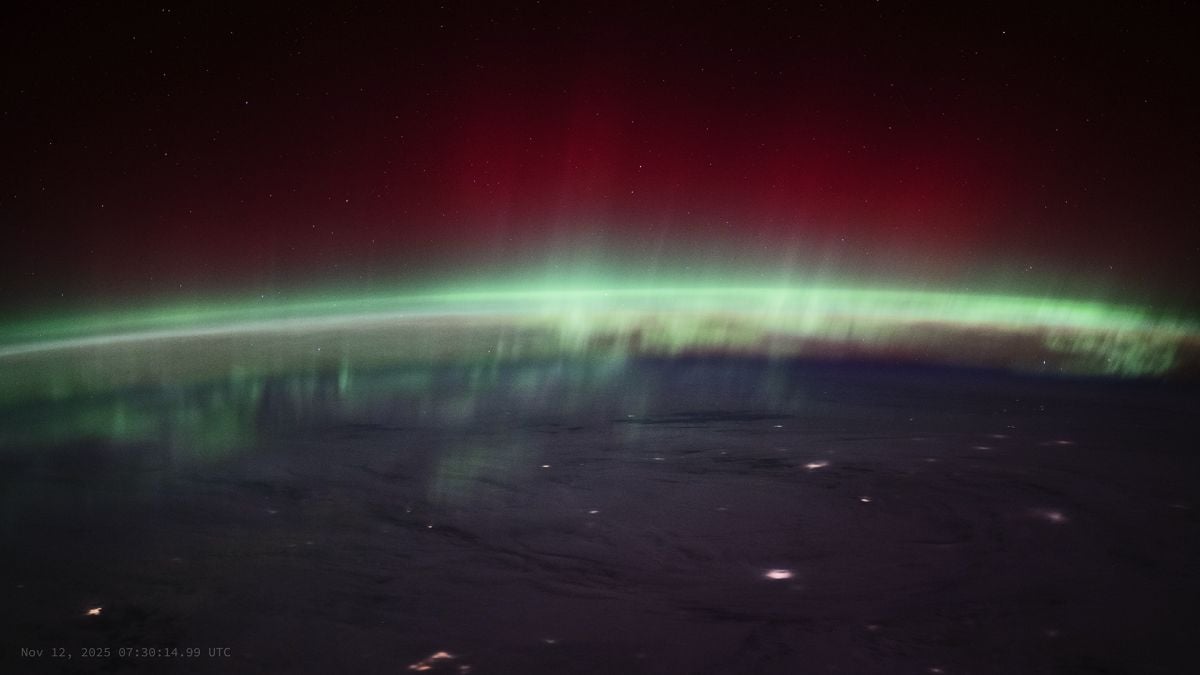
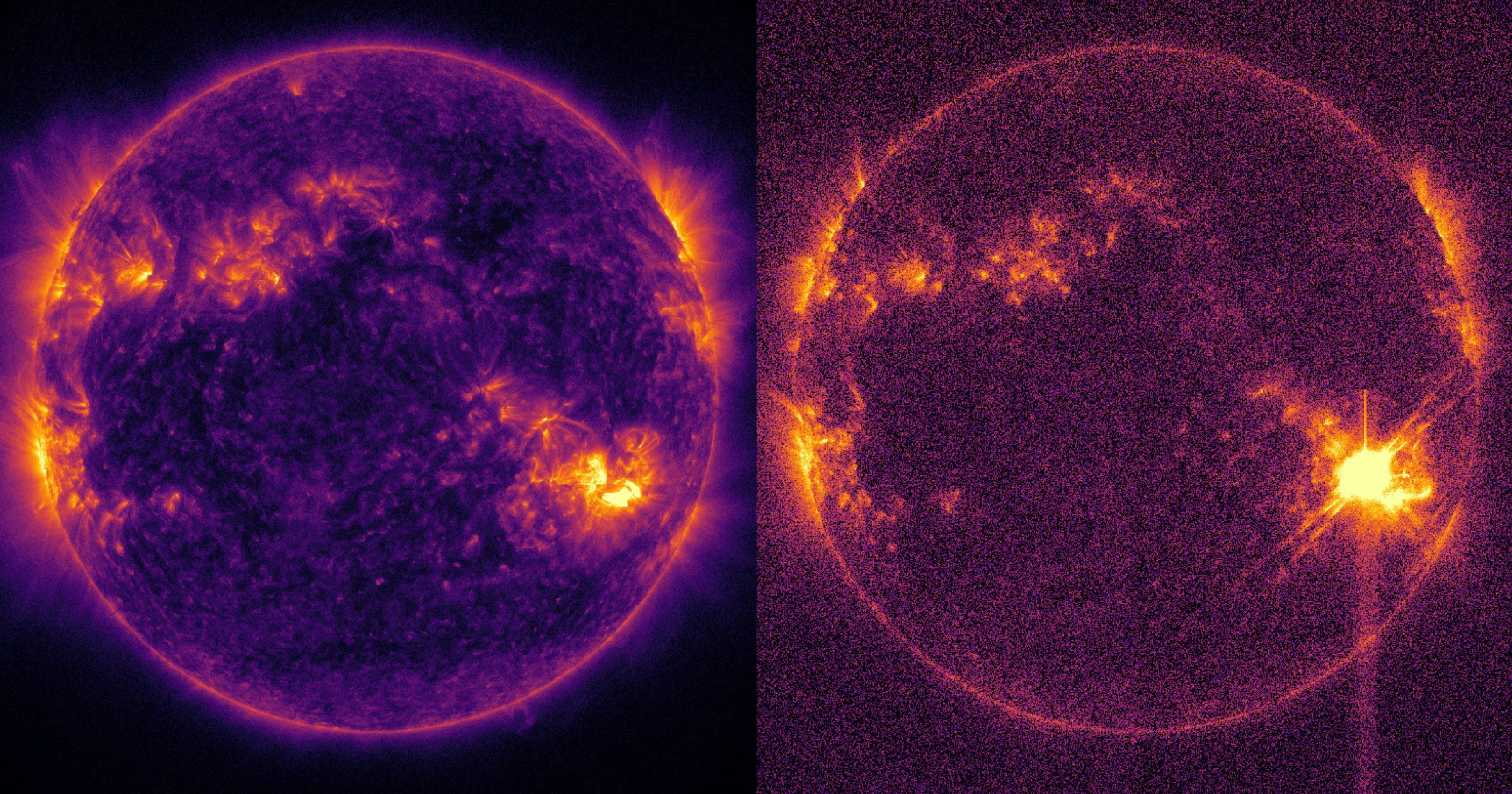
The Sun periodically expels massive quantities of radiation and superheated ionized gas toward Earth, creating intense space weather events. In May 2024, the sun produced its most significant activity in more than two decades, disrupting radio signals and forcing commercial aircraft to alter flight paths. These solar particles interact directly with Earth’s magnetic field, generating visual auroras while simultaneously interfering with essential mapping and communications infrastructure.
Understanding these solar phenomena requires tracking coronal mass ejections, which propel plasma and magnetic fields from the solar corona. Upon reaching Earth, this high-energy material interacts with terrestrial conducting materials, inducing strong geoelectric fields. These induced currents flow directly into extrahigh-voltage transformers, destabilizing electrical transmission networks across vulnerable geographic corridors.
Historical Precedents and Strategic Blind Spots
The operational risks posed by solar activity are well-documented yet frequently underestimated within national security frameworks. In 1967, a severe solar storm nearly triggered a major geopolitical escalation by severely jamming early-warning radar systems across the United States. Military leadership momentarily suspected hostile foreign interference from the Soviet Union, illustrating how space weather can mimic physical attacks on sovereign infrastructure.
Despite these historical warnings, socioeconomic assessments of space weather remain largely siloed across academic and industrial disciplines. Traditional risk models consistently overlook the complex relationship between underlying geophysical drivers and the functional limits of modern electrical grids. Consequently, critical infrastructure operators lack unified frameworks to project localized power outages under extreme geomagnetic scenarios.
Novel Analytical Frameworks for Economic Exposure
To address these systemic blind spots, researchers have developed advanced modeling frameworks to estimate the direct economic consequences of severe geomagnetic events. Oughton et al. formulated a novel methodology to map where major solar storms could physically compromise the United States power grid. These mapping tools allow researchers and utility operators to identify specific neighborhoods and transmission hubs exposed to catastrophic failure.
Such evaluations expose the fragility of interconnected energy markets where localized transformer failures can trigger cascading regional blackouts. Capital allocation for grid hardening often lags behind physical exposure, leaving institutional investors vulnerable to unpriced infrastructure risks. The absence of comprehensive mitigation strategies accentuates the financial stakes for utilities operating within high-latitude or high-conductivity regions.
Atmospheric Disturbances and Precision Navigation Risks
Recent scientific analyses have uncovered atmospheric disturbances far more widespread than previously documented during solar superstorms. Research led by space physicist Endawoke Yizengaw at The Aerospace Corporation revealed unprecedented coast-to-coast disruptions in the continental United States atmosphere during recent geomagnetic storms.
These atmospheric anomalies introduced unexpected navigational errors, throwing global positioning systems off by more than ten meters in certain regions. Such geometric distortions exceed normal operational tolerances for modern technological applications that rely on millimeter-level accuracy. The documented GPS disruptions present immediate operational hazards for precision agriculture, autonomous vehicle navigation, and synchronized financial transactions.
Systemic Implications for Advanced Industrial Sectors
The intersection of space weather and terrestrial technology highlights deep vulnerabilities across multiple commercial and industrial ecosystems. Autonomous logistics networks and precision-guided farming equipment depend entirely on uninterrupted satellite positioning signals to function safely. A prolonged deviation in positioning accuracy disrupts supply chain efficiency and introduces operational liabilities for commercial operators.
These empirical findings underscore the critical necessity for enhanced predictive capabilities within federal forecasting agencies. As space weather monitoring evolves, institutional stakeholders must integrate these geophysical realities into long-term infrastructure planning and risk management protocols. Failure to account for widespread atmospheric and electrical distortions leaves modern economies exposed to sudden technological paralysis.