The Missouri Supreme Court has issued a unanimous ruling blocking the implementation of a Republican-drawn congressional map, a decision that alters the strategic landscape for the 2026 midterm elections. This judicial intervention halts a legislative effort to consolidate partisan gains through the dismantling of established districts, most notably in the Kansas City region.
By preventing the new boundaries from taking effect, the court preserved the existing electoral framework, carrying significant implications for the national balance of power. The ruling directly impacts the Republican Party’s ability to expand its narrow majority in the U.S. House of Representatives, as the contested map was designed to secure an additional GOP seat.
Judicial Oversight and the Referendum Mechanism
The core of the court’s decision rests on the validity of a referendum petition, which the justices determined was legal, sufficient, and timely. This finding directly contradicts the previous conclusion reached by the Secretary of State, who had sought to invalidate the public challenge to the legislative maps.
The ruling reinforces the institutional role of the referendum as a check on legislative sovereignty, ensuring that structural changes to the electoral process remain subject to direct voter approval. Because the legislation containing the new districts is suspended, it cannot be enforced unless it receives a majority vote from the Missouri electorate.
This suspension creates a legal vacuum that the court filled by mandating the continued use of the congressional map adopted after the 2020 census. This status quo map will remain the governing document for the November 2026 general election, providing continuity that the legislative branch sought to disrupt.
Impact on the Kansas City Electoral Corridor
The primary beneficiary of the court’s ruling is U.S. Representative Emanuel Cleaver, whose Kansas City-based district was a target of the Republican redistricting effort. The blocked map would have dismantled Cleaver’s constituency, distributing its voters across neighboring districts to dilute Democratic influence.
Cleaver characterized the legislative attempt as an effort to silence local voices, framing the decision as a victory for grassroots opposition. The restoration of the 2020 boundaries ensures that the urban core of Kansas City remains a cohesive electoral unit, maintaining the Democratic Party’s strongest foothold in the state.
For Republicans, the loss of this redistricting opportunity represents a strategic setback in a state where they hold substantial legislative control. The inability to finalize the new map before the 2026 cycle limits the party’s ability to capitalize on demographic shifts.
Administrative Friction and the Primary Cycle
The timing of the court’s decision introduces operational complexity, as it arrives after primary elections have been conducted under a different map. This creates a rare scenario where the boundaries used to select nominees differ from those used in the general election, potentially leading to legal challenges.
The court’s insistence on reverting to the 2020 map underscores a prioritization of constitutional adherence over administrative convenience. While the transition requires logistical adjustments for election officials, the court viewed this as necessary to rectify an incorrect executive determination.
Strategic Consequences for the U.S. House Majority
On a national scale, the Missouri ruling is a critical component of the broader redistricting battle that determines the composition of the U.S. House of Representatives. With the House majority currently held by a slim margin, the preservation of a single Democratic seat in Missouri could influence federal policy and leadership.
The GOP’s national strategy relied on maximizing gains in Republican-controlled states like Missouri to offset potential losses in competitive maps elsewhere. The failure to implement the aggressive map narrows the path for Republicans to expand their legislative control in Washington.
Political Rhetoric and Institutional Integrity
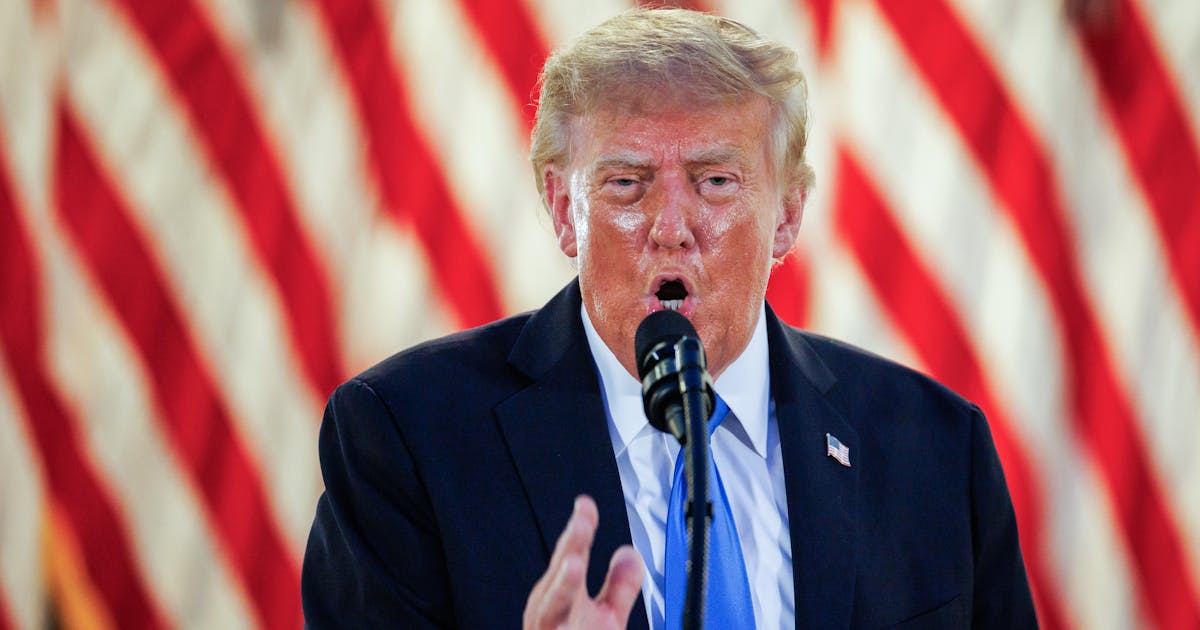
The reaction from political figures, including Donald Trump, emphasizes the perceived high stakes of the judicial decision. Trump’s characterization of the ruling as ridiculous reflects a broader strategy of challenging judicial outcomes that impede partisan objectives.
However, the unanimous nature of the ruling suggests a strong internal consensus within the Missouri Supreme Court regarding the legal merits of the case. This unanimity provides the court with institutional protection against claims of partisan bias, framing the decision as a strict interpretation of state law and referendum procedures.
Operational Challenges for Election Authorities
The mandate to use the 2020 census map for the 2026 general election places a burden on local election boards and the Secretary of State’s office. These entities must recalibrate voter registration databases and precinct assignments that may have already been updated to reflect the blocked legislative map.
The potential for voter confusion is high, particularly in areas where boundaries between the 2020 map and the blocked map differ significantly. Financial costs associated with reprinting materials and retraining poll workers add a fiscal impact to the judicial ruling.
Conclusion
As Missouri moves toward the 2026 general election, the focus shifts to the ballot box, where voters will eventually have the final say on proposed maps. The Missouri Supreme Court’s ruling stands as a check on partisan ambition, prioritizing the procedural rights of the electorate over the goals of the legislative majority.