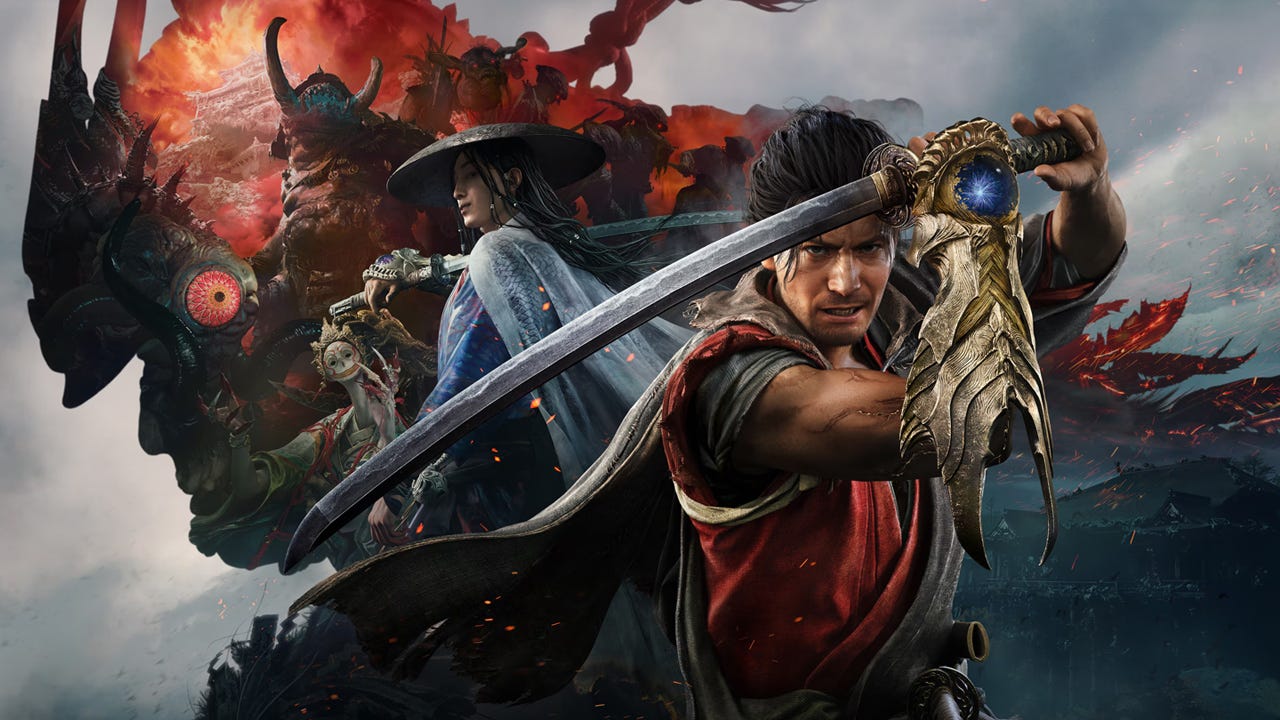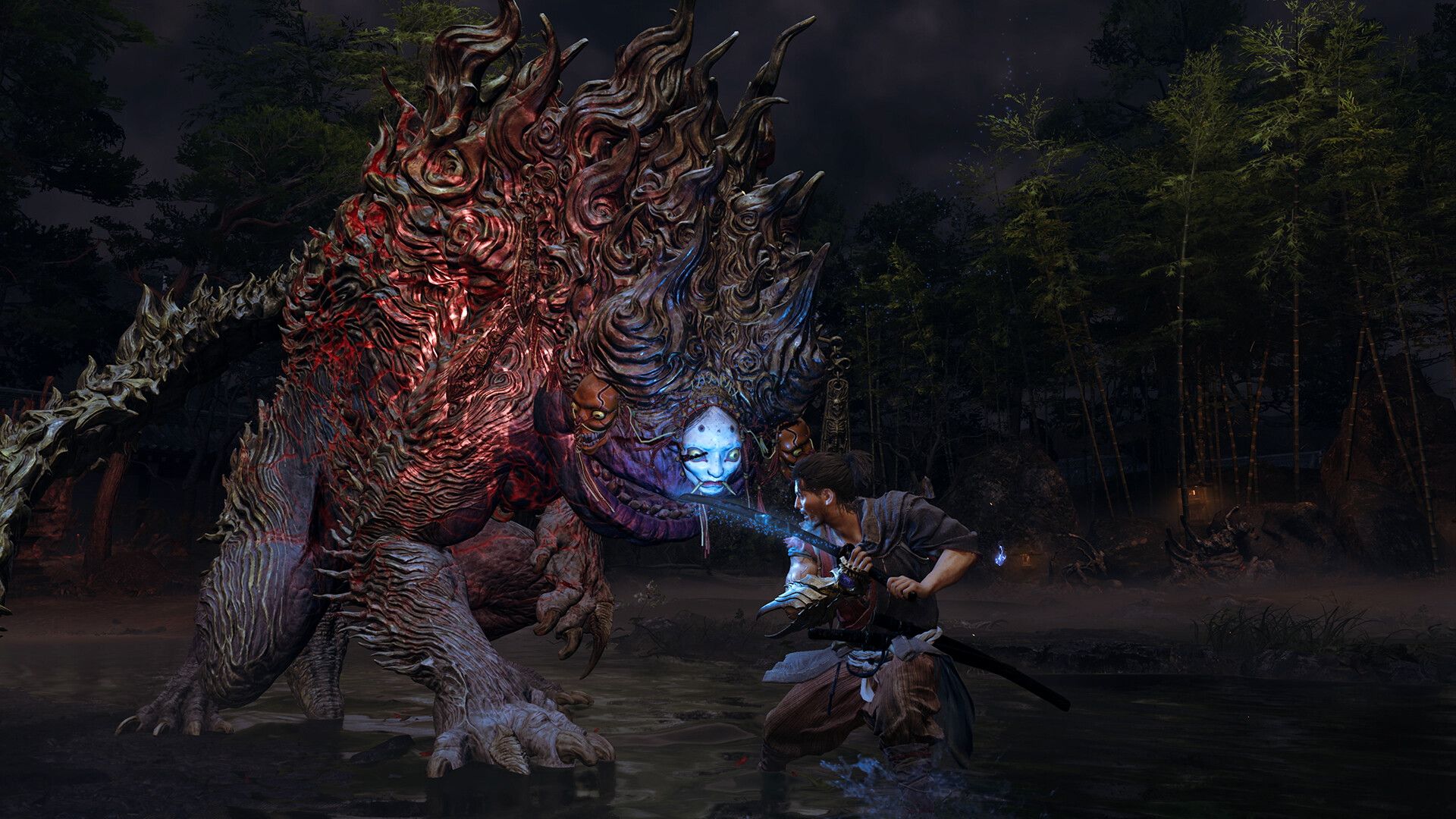
Capcom continues its release cadence with Onimusha: Way of the Sword. Built on the proprietary RE Engine, the title demonstrates hardware scalability across a testing matrix of thirty-one processors. Benchmarking across this spectrum isolates how the engine distributes computational workloads relative to graphical demands.
Evaluations using an RTX 5090 Founders Edition indicate that the RE Engine remains predominantly GPU-bound. Performance scales predictably from current-generation hardware down to legacy architectures, though specific anomalies emerge as select twelve-core Ryzen 9 models underperform within the runtime environment.
Within the processor hierarchy, X3D configurations outperform standard flagship units by 10% in this workload. Conversely, newer silicon like the Core Ultra 7 270K Plus trail the established Raptor Lake Refresh architecture, highlighting complex microarchitectural interactions with proprietary engines.
Production Methodology and Motion Capture Integration
As the franchise’s first entry in over a decade, launching September 4, Onimusha: Way of the Sword balances accessibility for newcomers with continuity for veterans, according to Director Satoru Nihei.
The protagonist’s visual design incorporates the likeness of late Japanese cinema icon Toshiro Mifune as Miyamoto Musashi, merging classic samurai aesthetics with modern rendering. The narrative frames a historical fiction where Musashi and Sasaki Ganryu battle Genma entities.
Animation leverages advanced motion capture under Art Director of Animation Hiroshi Yugen. Rendering multi-limbed adversaries, such as a floating-head entity with multiple arms, required simultaneous performance capture from four actors to translate physical choreography into digital skeletal rigs.
Market Implications and Hardware Optimization
The technical metrics of Onimusha: Way of the Sword reflect broader PC optimization trends. Middleware scalability allows studios to target fragmented consumer ecosystems, though hardware disparities confirm that raw thread counts do not guarantee efficiency without engine-level calibration of cache hierarchies and instruction sets.
The convergence of multi-actor motion capture and historical source material signals evolving production standards in high-budget interactive entertainment. For revived intellectual properties, bridging historical fidelity with technical scalability remains a primary strategic objective.