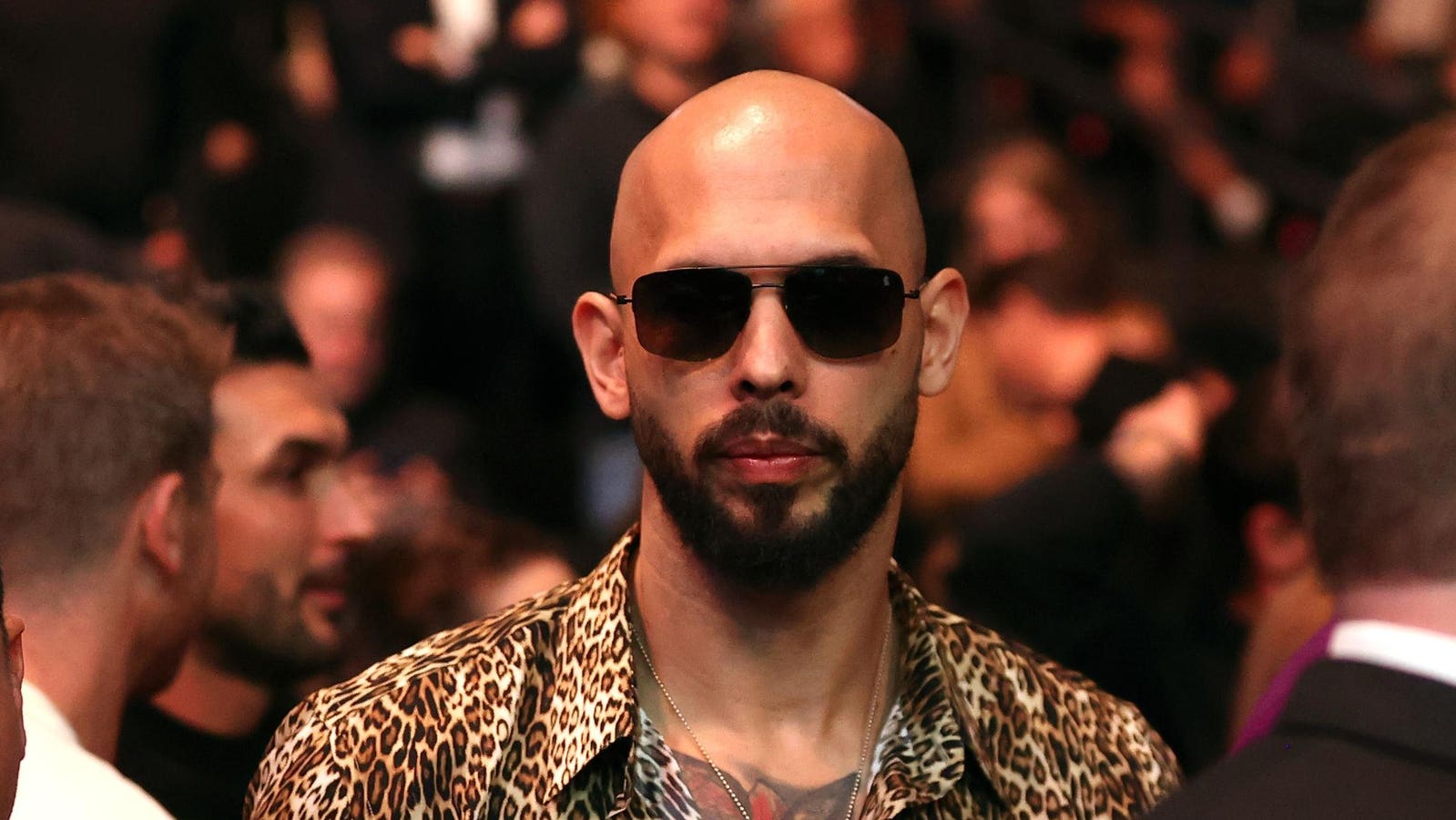
The extradition proceedings of Andrew and Tristan Tate before U.S. Magistrate Lauren Louis represent a watershed moment in the judicial treatment of the influencer economy. Beyond the immediate allegations originating from the United Kingdom, the case examines the growing friction between performative digital identity and the rigid evidentiary requirements of federal law. The defense’s current trajectory relies on a calculated ‘strategic devaluation’—a tactical decoupling of the brothers’ global brand from their actual liquid assets to undermine the prosecution’s flight risk arguments.
Tactical Insolvency as a Defense Mechanism
In a stark reversal of their ‘ultra-wealthy’ public narratives, the Tate legal team has introduced evidence suggesting a systemic artificiality regarding their financial holdings. By asserting that high-value assets—including a $7 million Bugatti Chiron and various bespoke timepieces—were corporate-leased or effectively rented, the defense seeks to invalidate the assumption of untraceable capital mobility. This ‘theatrical wealth’ defense serves a specific legal function: it lowers the defendants’ perceived capacity to fund a clandestine international escape, thereby repositioning them as candidates for bond rather than high-risk detainees.
This shift exposes a fundamental vulnerability in the ‘manosphere’ business model. While the appearance of extreme wealth is essential for digital engagement and conversion, it becomes a distinct liability in a courtroom where financial reach is equated with the ability to circumvent justice. The transition from boasting of nine-figure revenues to documenting a lack of personal equity illustrates a prioritization of immediate liberty over brand integrity, suggesting that the costs of maintaining the illusion have been outweighed by the exigencies of federal custody.
The ‘Digital Tether’ and Institutional Friction
The defense further posits that the brothers’ global notoriety acts as a form of ‘digital surveillance.’ Their attorneys argue that the ubiquity of the Tate visage in the public consciousness makes physical flight impossible, effectively tethering them to the grid regardless of their location. However, this argument must contend with the U.S.-UK extradition treaty’s stringent protocols, which prioritize the gravity of the underlying charges—including rape and human trafficking—over the perceived logistical difficulties of evasion.
The shift from the curated environments of Bucharest to the austerity of a Miami detention center underscores the totalizing nature of the state’s carceral power. In this environment, the performative elements of the Tate brand are stripped away, forcing a confrontation between a high-production digital persona and the sober procedural reality of international law enforcement. The outcome of these hearings will likely define how future courts evaluate ‘digital wealth’ and the credibility of social media claims during bond assessments for high-profile entrepreneurs.
Precedents for the Influencer Economy
The Tate case provides a blueprint for how international legal frameworks may increasingly scrutinize the financial transparency of digital figures. If the court accepts that a multi-million dollar lifestyle can be entirely ephemeral—constructed through complex corporate shells and leases—it may recalibrate how prosecutors measure the operational reach of influencers. This case signals to the broader digital ecosystem that the performative use of wealth can be weaponized by the state as evidence of criminal capacity, potentially leading to a more cautious approach to financial posturing within the influencer industry.