Amusement ride engineering faces heightened scrutiny following documented clusters of severe neurological trauma linked to Six Flags Magic Mountain’s marquee attraction, X2. Recent clinical interventions, investigative reviews, and wrongful death litigation have exposed systemic physical risks associated with the coaster’s unique kinetic envelope.
Surgeons at a Southern California medical center treated two female patients within less than a week for identical brain hemorrhages. Medical professionals noted that the vascular and tissue disruptions mirrored trauma typically sustained in high-speed vehicular collisions or violent structural impacts, despite neither patient experiencing an external crash or physical fall prior to admission.
The Biomechanical Mechanics of Extreme Acceleration
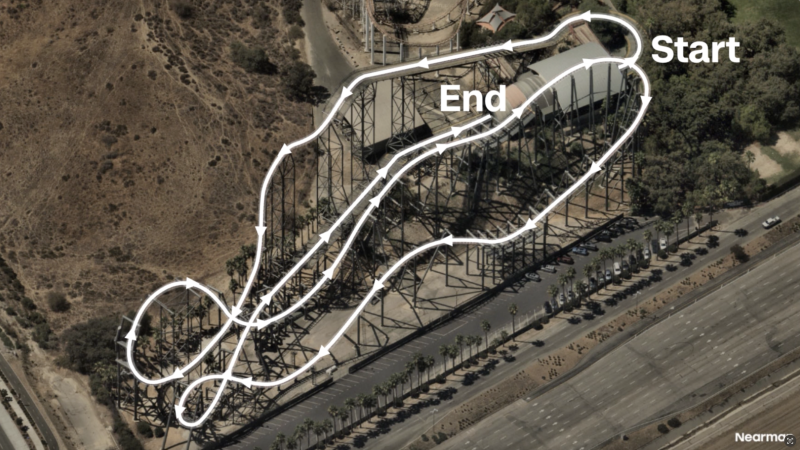
Engineered as a pioneering attraction, X2 distinguishes itself through rotating seats, near-vertical descents, and multidirectional movements that expose passengers to severe rotational forces. The intracranial injuries observed reflect the physical consequences of intense angular acceleration and abrupt deceleration. Under these vectors, the brain undergoes rapid displacement within the skull cavity, generating dangerous shear stresses across delicate vascular structures without requiring direct external impact.
Investigative Findings and Historical Injury Patterns
A comprehensive review of legal records and medical files indicates that these neurological emergencies are not isolated anomalies. Over nearly two decades of commercial operation, the X2 coaster has been linked to more than a dozen documented reports of severe trauma, including comas, permanent disabilities, and two confirmed fatalities. This historical record points to an enduring pattern of physiological stress imposed upon riders.
Defective Design Litigation and the Christopher Hawley Fatality
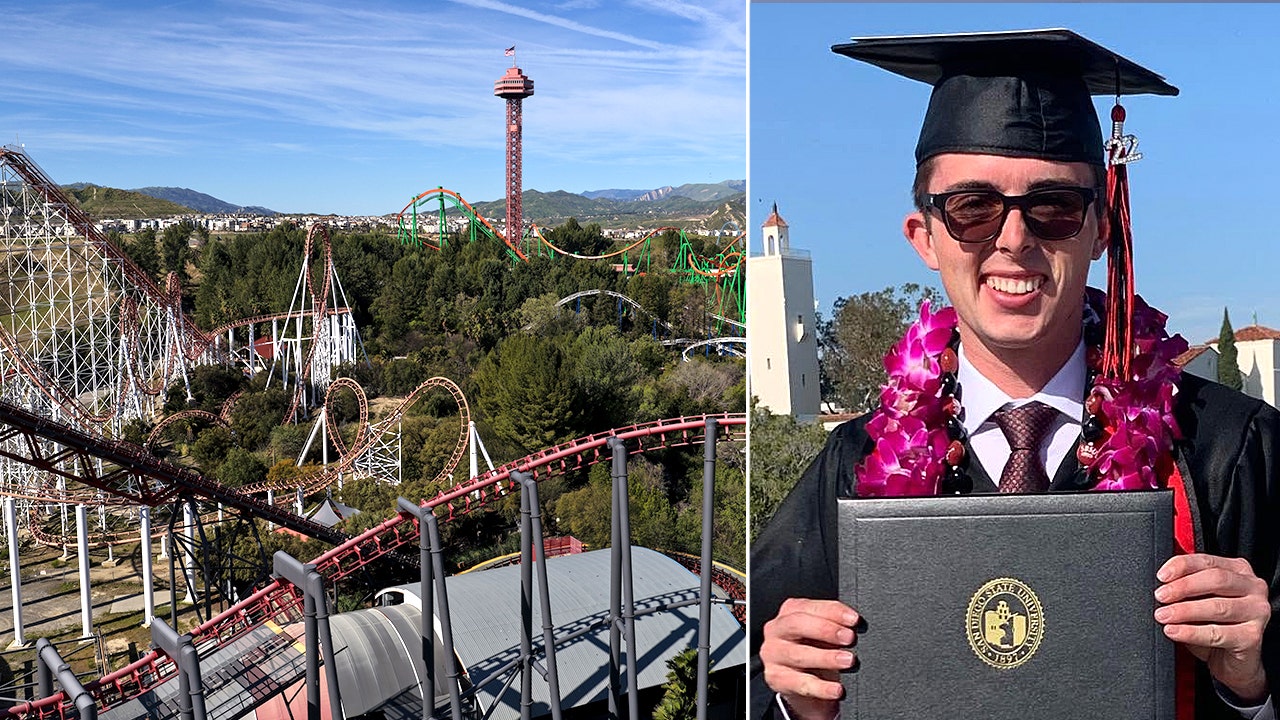
Legal pressures intensified following the death of 22-year-old Christopher Hawley, who visited the park on June 23, 2022. Witness accounts indicate Hawley exhibited visible physical distress and facial discoloration immediately upon exiting the vehicle before collapsing unconscious on the platform. He died the following day, with the Los Angeles County Department of Medical Examiner classifying the death as an accident resulting from blunt head trauma.
Family Testimonies and Ride Roughness Allegations
Hawley’s family filed a civil lawsuit against Six Flags alleging defective ride design and failure to protect patron safety. Brother Alex Hawley, who rode alongside him, characterized the attraction as exceptionally rough, noting that the vehicle violently jerked riders and concluded with a terminal impact vector that forced passengers’ heads backward against headrests.
Operational Interruptions and Regulatory Repercussions
Operational stability has been further complicated by recurring safety interventions, including an unscheduled closure lasting more than a month following an incident on July 5, 2026, where another rider was found unconscious. Extended shutdowns represent substantial financial liabilities and trigger heightened regulatory scrutiny from state safety authorities.
Corporate Liability and Restraint Engineering
For large-scale operators, marquee thrill rides drive season pass sales and attendance, creating structural tension with enterprise risk management. X2’s fourth-dimension seating layout subjects the spine and cranium to complex rotational vectors that differ substantially from traditional roller coasters. When independent seat rotation coincides with high-velocity elements, the human neck struggles to maintain muscular stabilization, providing a mechanical explanation for the bilateral brain hemorrhages.
Institutional Standard of Care
The convergence of clinical evidence, coroner determinations, and sustained civil litigation sets a critical precedent for the amusement park industry. As medical diagnostics become more adept at identifying motion-induced neurological injury, operators must demonstrate that a coaster’s kinetic output remains within safe human physiological tolerances, potentially forcing mandatory engineering revisions globally.