Strategic Retrenchment: Planned Consulate Closures
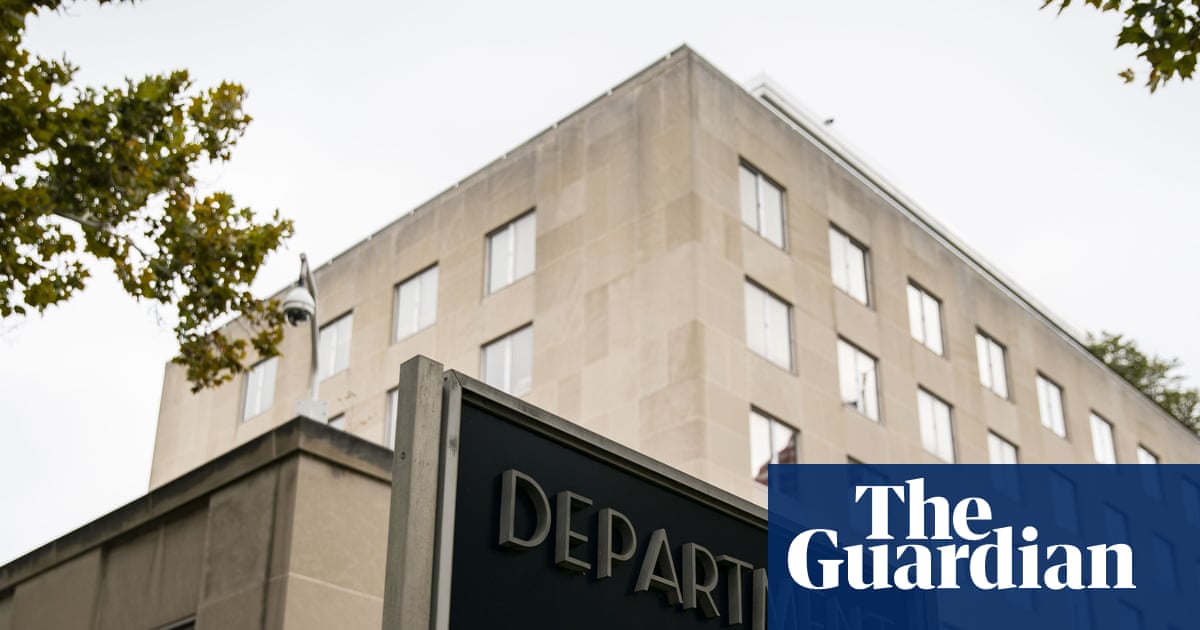
The U.S. Department of State has formally notified Congress of plans to decommission five consular posts, signaling a structural consolidation of American foreign representation. The planned closures target secondary economic hubs: Winnipeg (Canada), Nagoya (Japan), Medan (Indonesia), Douala (Cameroon), and St. George’s (Grenada). Framed as a fiscal efficiency initiative following Donald Trump’s return to the White House in January 2025, the decision reflects an administrative mandate to shrink the federal government’s overseas operational footprint under Secretary of State Marco Rubio.
Institutional Contraction and Personnel Deficits
This geographic retreat builds upon significant workforce drawdowns executed over the preceding year. Under Secretary Rubio’s direction, the department terminated over 1,300 employees, eliminating 246 Foreign Service officers and 1,107 civil service personnel. The structural shrinkage is further compounded by a systemic leadership vacuum. Data from the American Foreign Service Association (AFSA) indicates that over half of the United States’ 195 ambassadorial posts remain unfilled, leaving key bilateral missions—including Germany, Saudi Arabia, Egypt, Pakistan, and Cuba—without Senate-confirmed executive leadership.
Sub-National Diplomacy and Geopolitical Exposure
By shifting operational weight away from regional nodes and back into primary capital embassies, the department curtails direct sub-national engagement. Shuttering outposts in Nagoya (a major Japanese manufacturing hub), Medan (a crucial economic center in Sumatra), Douala (Central Africa’s primary port), Winnipeg (Canada’s central agricultural prairie), and St. George’s (an Eastern Caribbean foothold) severs direct ties with local commercial leaders, government officials, and civil society. Congressional critics, particularly Democratic lawmakers, argue that this tactical withdrawal creates a strategic vacuum, enabling geopolitical rivals—most notably China—to expand their trade, maritime, and diplomatic influence across these strategic corridors.
Legislative Scrutiny vs. Budgetary Rationale
While the administration justifies the closures as immediate cost-cutting measures achieved by eliminating leases, facility maintenance, and local overhead, policy analysts caution against short-term fiscal prioritization. Decommissioning established outposts degrades decades of accumulated institutional memory, localized intelligence networks, and regional crisis-response mechanisms. Re-establishing a physical diplomatic footprint in secondary hubs requires significant capital investment and administrative lead time, raising questions on Capitol Hill regarding the long-term trade-offs of centralized statecraft.