Clinical Assessment and Baseline Physiology
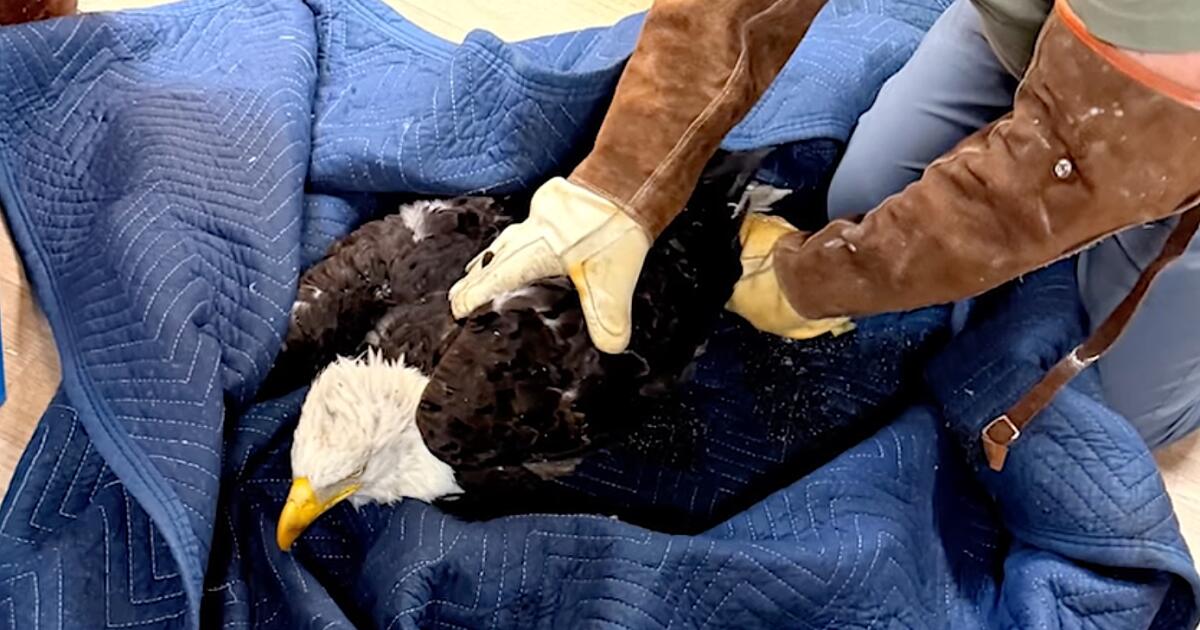
Jackie, the iconic Big Bear Lake bald eagle, remains in critical condition at the Ojai Raptor Center following her emergency rescue in California. Diagnostic evaluations confirm acute renal inflammation accompanied by severe anemia. Despite these systemic compromises, clinical monitoring indicates baseline stability: Jackie is alert, perching independently, and actively consuming food under supervised care.
Pre-Rescue Territorial Dispute vs. Underlying Pathology
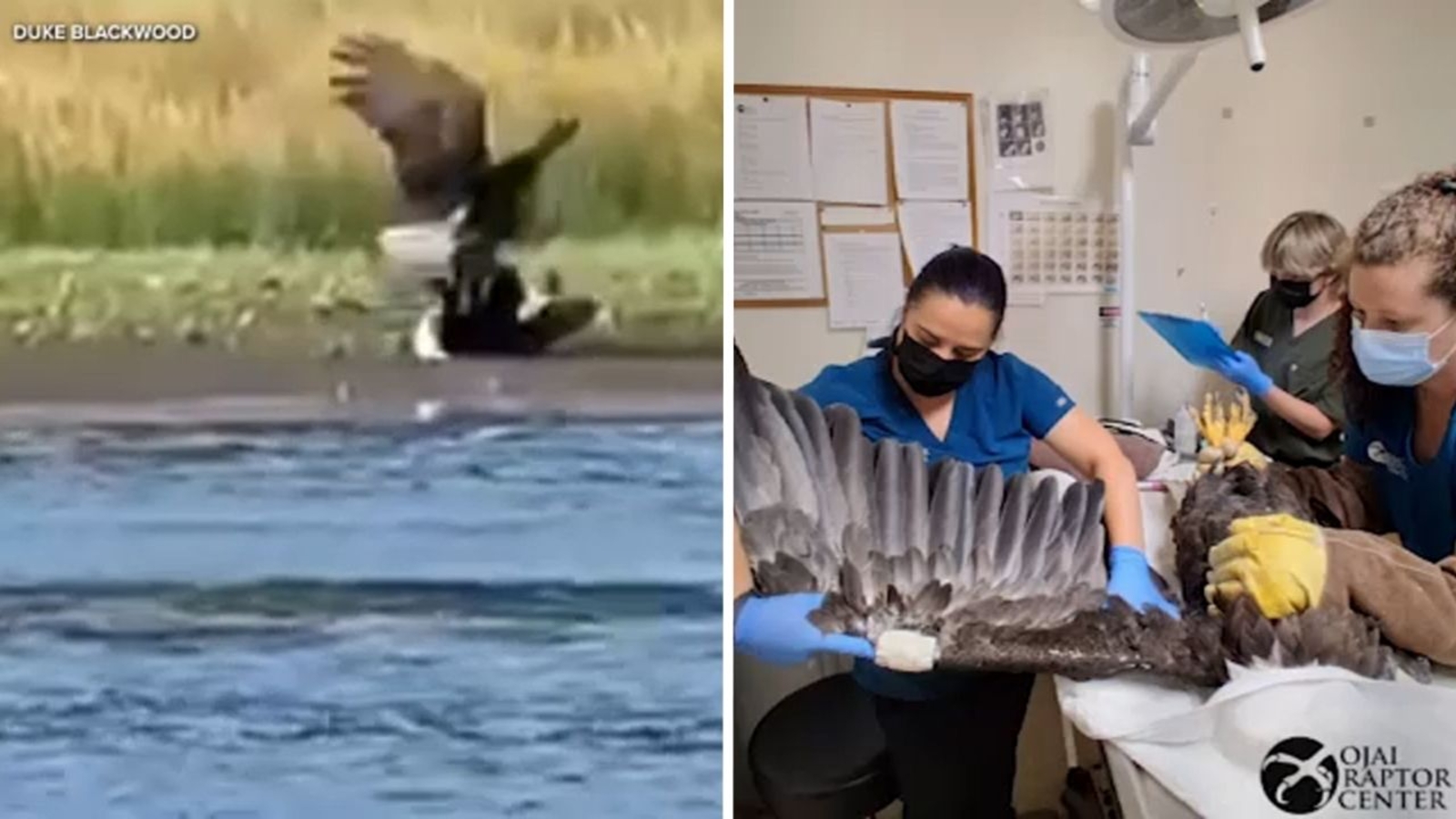
Prior to human intervention, video footage captured Jackie engaged in a physical altercation with two subadult bald eagles near her nest site. While initial observers speculated that territorial conflict caused her collapse, attending veterinary teams determined that an underlying physiological illness preceded the encounter. Her diminished capacity to defend territorial boundaries was a secondary manifestation of pre-existing systemic failure, rather than a direct consequence of mechanical injury.
Diagnostic Imaging and Toxicological Panel
Radiographic imaging conducted upon admission ruled out gastrointestinal foreign bodies, structural fractures, and metallic debris such as lead sinkers or fishing tackle. With mechanical trauma excluded, differential diagnostics prioritize metabolic dysfunction and toxicological exposure. Laboratory screens are currently processing targeted panels for lead, zinc, and commercial anticoagulant rodenticides.
Behavioral Responsiveness and Clinical Outlook
Despite internal organ stress, Jackie demonstrates robust neuromuscular vigor, standing independently and resisting clinical handling. Representatives from Friends of Big Bear Valley noted that this combative demeanor aligns with her historical behavioral profile. However, clinicians emphasize that behavioral stamina does not mitigate the biological risks associated with active renal distress and acute blood loss.
Institutional Coordination and Public Infrastructure
Care protocols require multi-institutional coordination between the Ojai Raptor Center, specialist veterinary pathologists, and Friends of Big Bear Valley. The nest-camera livestream infrastructure—which generated over 120,000 public interactions following a single medical update—underscores the high stakeholder interest in monitored apex predators. Treating facilities maintain strict communication discipline, releasing updates only upon verified diagnostic milestones to ensure scientific accuracy during ongoing toxicological evaluations.