Record Threat Metrics and Behavioral Health Risk Vectors
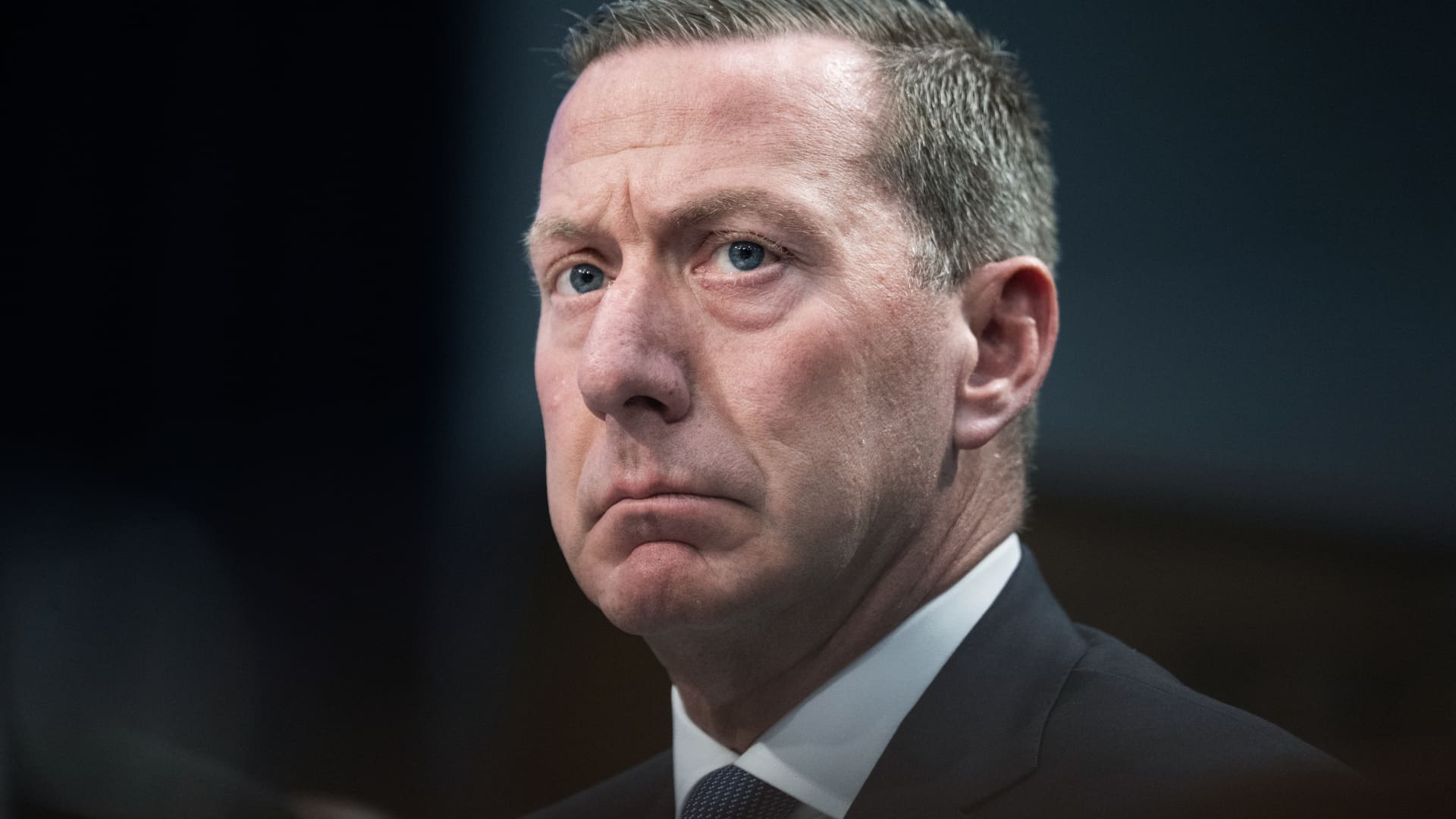
Senior U.S. Secret Service leadership has formally classified the current protectee threat environment as unprecedented in the agency’s history. Data disclosures confirm that law enforcement personnel processed approximately 10,000 threat cases involving federal protectees in 2026 alone. This volume represents a 40 percent year-over-year increase compared to the same calendar period, reflecting a rapid compounding of operational risk across the executive and judicial branches.
A critical systemic driver behind this caseload is a tenfold increase in mental health committals involving individuals suspected of targeting protectees. This sharp rise highlights systemic vulnerabilities in early risk identification before subjects reach protective perimeters. Consequently, the agency faces compounding logistical strains, requiring continuous resource reallocation across investigative commands and allied behavioral health systems.
Inter-Branch Risk Convergence Across Executive and Judicial Authorities
The escalation in threat activity extends across the federal hierarchy, impacting both executive figures and the judiciary. Supreme Court Justice Amy Coney Barrett confirmed this heightened risk posture during testimony before a House subcommittee, emphasizing that federal judges face an exceptionally elevated threat landscape. The alignment of severe threat vectors across separate government branches underscores the broad administrative and geographic scope currently demanding federal protection resources.
Managing this synchronized risk environment requires continuous inter-agency intelligence coordination. As protective details adapt to evolving tactics, high case volumes test the operational limits of federal personnel, technical surveillance grids, and investigative units tasked with neutralizing multi-branch risk vectors.
Perimeter Mechanics: Washington Hilton Incident and Venue Relocation
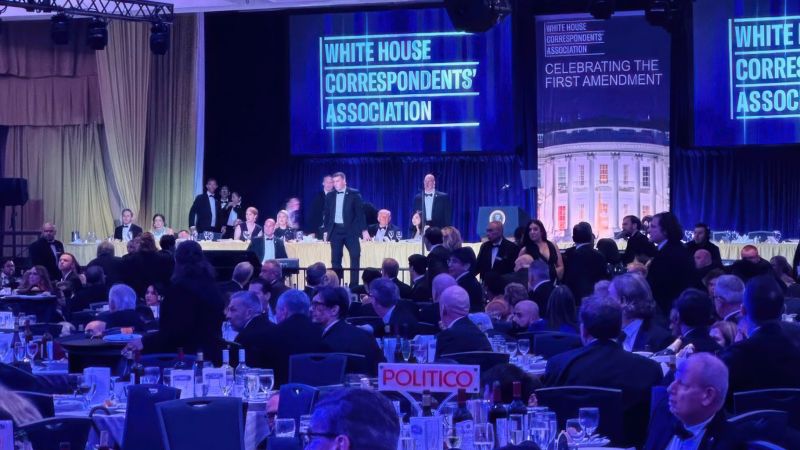
Operational frameworks governing high-profile political events remain under intense scrutiny following recent physical security breaches. The rescheduled White House Correspondents’ Association dinner serves as a primary test for reinforced perimeter controls following an April security breach at the Washington Hilton. During that incident, an armed individual attempting to assassinate President Trump bypassed a screening checkpoint on the floor directly above the main ballroom, striking an officer before agents detained him over 100 yards from the podium. Reports later confirmed the suspect had registered as a hotel guest prior to the intrusion.
Secret Service Director Sean Curran defended the agency’s response, maintaining that multi-tiered security protocols successfully contained the breach and prevented direct exposure to protectees. To exercise stricter physical control and access monitoring, organizers relocated the event to the Waldorf Astoria in Washington, DC—the site of the former Trump International Hotel. Operational adjustments for the venue include reduced guest capacity, enhanced screening grids, and specialized tactical deployments.
Institutional Friction: Press Freedom Dynamics and Legal Pressures
Parallel to physical security challenges, the rescheduled press event takes place amid growing institutional friction between the executive branch and news organizations. A coalition comprising hundreds of current and retired journalists, alongside eight press freedom organizations, issued an open letter urging the White House Correspondents’ Association to publicly defend media protections. Organized in part by former ABC News correspondent Lisa Stark and producer Ian Cameron, the initiative highlights escalating federal legal actions directed at investigative reporting.
A primary catalyst for the coalition’s demand is the Justice Department’s issuance of subpoenas to reporters at The New York Times. The subpoenas pertain to coverage detailing security vulnerabilities surrounding a Qatari-gifted Air Force One aircraft used by the president. While federal authorities cite national security risks related to executive transport, media coalitions argue that legal actions targeting reporter records threaten essential public oversight, creating a complex backdrop as journalists and officials gather under heightened security.