Antihistamine Recall Reveals Pharma Supply Chain Weaknesses
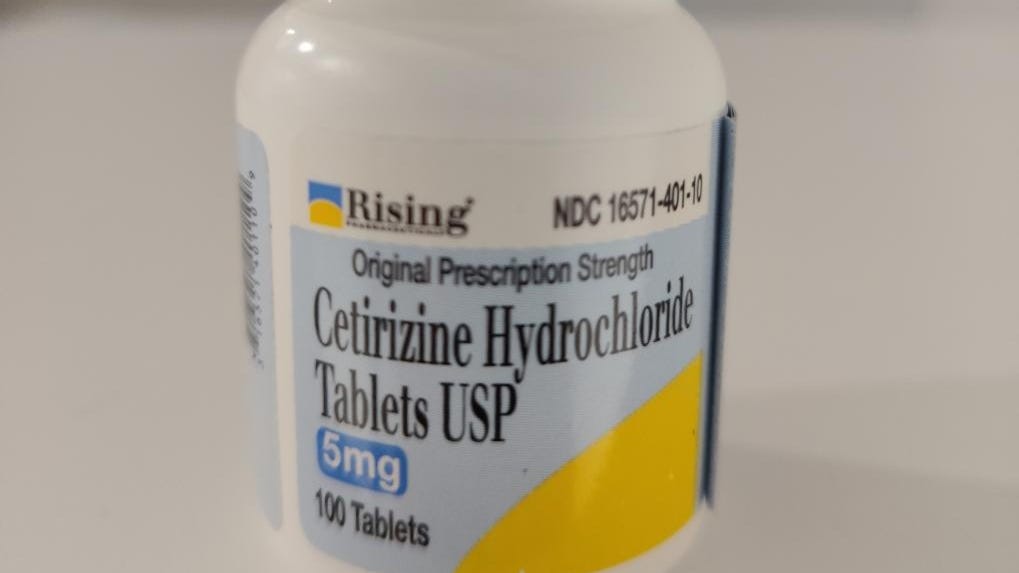
Rising Pharma Holdings Inc. has issued a voluntary recall for four specific lots of its 5mg cetirizine hydrochloride tablets. The widely used antihistamine, prescribed for allergies and hives, may be contaminated with ranitidine, a drug historically used for heartburn and acid indigestion. This recall, dated July 18, underscores significant risks within pharmaceutical manufacturing and distribution networks.
Mechanism of Contamination and Detection
The potential cross-contamination was identified through a visual anomaly—a red dot—observed on cetirizine tablets during a routine pharmacy count. This detail triggered an investigation, revealing possible ranitidine presence. Ranitidine itself faced market withdrawal in 2020 due to association with a probable human carcinogen, though reformulated versions have since been approved, indicating ongoing regulatory scrutiny.
Downstream Implications for Pharmaceutical Quality Control
This incident directly impacts the integrity of the pharmaceutical supply chain, particularly for generic medications sourced internationally. It exposes critical vulnerabilities in quality assurance protocols essential for patient safety and consumer trust. Reliance on third-party, often overseas, manufacturers necessitates robust oversight, auditing, and testing by distributors like Rising Pharma Holdings Inc. to ensure product safety and efficacy.
Regulatory and Market Repercussions
The FDA’s involvement in publicizing this voluntary recall signals the potential health risks. Such events often lead to intensified regulatory scrutiny, potentially resulting in stricter manufacturing standards, increased inspections, and enhanced testing mandates for suppliers. For consumers, this recall reinforces the need for vigilance regarding medication safety and the potential for unexpected contaminants, especially with substances like ranitidine that have a history of regulatory concern.
Strategic Considerations for Pharmaceutical Companies
Pharmaceutical manufacturers and distributors must re-evaluate their supplier vetting processes and internal quality management systems. Investing in advanced analytical technologies and comprehensive batch testing is crucial to mitigate contamination risks, protecting brand reputation and consumer health. Robust due diligence on manufacturing partners, including adherence to Good Manufacturing Practices (GMP), is paramount. The financial and reputational costs of recalls make proactive risk management a strategic imperative.
Impact on Generic Drug Market Dynamics
The generic drug market, driven by price competition, must not compromise safety or compliance for cost savings. This recall serves as a stark reminder that quality assurance is non-negotiable. Companies demonstrating consistent quality and safety may gain a competitive edge, while those with a history of issues could face market skepticism and higher compliance costs.
Consumer Trust and Information Dissemination
Transparent and clear communication during a recall is vital for maintaining consumer trust. Pharmaceutical companies must provide accessible information on affected products, recall procedures, and safe disposal methods. Regulatory bodies play a key role in disseminating information and overseeing recall effectiveness, ensuring prompt removal of potentially harmful products.
Supply Chain Resilience and Future Preparedness
The event highlights the need for enhanced pharmaceutical supply chain resilience. Diversifying manufacturing sources, implementing advanced track-and-trace technologies, and fostering stronger supplier relationships can improve the industry’s ability to prevent and respond to disruptions. This could also drive interest in more localized or regionalized manufacturing for critical medications.
The Shadow of Ranitidine and Regulatory Precedent
The presence of ranitidine as a contaminant is particularly significant due to its prior market removal for carcinogen concerns. This history means any resurgence, even as a contaminant, triggers immediate regulatory and public health alarms. Ongoing regulatory efforts to manage ranitidine risks, underscored by the approval of reformulated versions, suggest persistent challenges.
Operational Due Diligence and Auditing Frameworks
The contamination detection via a visual cue suggests that current quality control might lack granularity or sufficient in-process monitoring. Distributors need to implement rigorous operational due diligence, including unannounced audits and comprehensive raw material testing. The effectiveness of auditing frameworks hinges on their depth and frequency, requiring technically proficient auditors and a commitment to continuous quality system improvement.
Financial Exposure and Risk Mitigation Strategies
Recalls entail significant financial liabilities, including retrieval, destruction, litigation, and reputational damage. Rising Pharma Holdings Inc. and Unique Pharmaceutical Laboratories face direct financial exposure. Strategic risk mitigation includes investing in quality control, establishing clear contractual obligations with suppliers, and holding them accountable for non-compliance.
Competitive Landscape and Market Positioning
In the competitive antihistamine market, product safety and reliability are key differentiators. Consistent delivery of high-quality, safe medications builds brand loyalty. Competitors with impeccable quality standards can leverage this incident to emphasize their commitment to safety. The long-term market positioning of all involved parties will depend on their ability to address root causes and restore confidence.
Institutional Response and Future Regulatory Trajectory
The FDA’s role includes investigating root causes and determining further regulatory action, such as warning letters or import alerts. The institutional response from manufacturers and distributors—transparency, proactivity, and demonstrable quality improvements—will shape future regulatory interactions and facilitate a smoother path forward.
Broader Health System Impact and Public Health Considerations
The widespread use of cetirizine means contamination can affect a large population segment. Potential severe reactions pose a public health concern, especially for vulnerable groups. Effective public health communication is crucial to inform affected individuals and ensure continuity of care through alternative treatments.
Ethical Obligations and Corporate Responsibility
The voluntary nature of the recall highlights pharmaceutical companies’ ethical duty to prioritize patient safety. Beyond regulatory compliance, fostering a culture of quality and safety, investing in training, and encouraging open communication about risks are core tenets of corporate responsibility.
Technological Advancements in Contamination Detection
The detection of a red dot, while effective, highlights the need for more advanced methods. Technologies like near-infrared spectroscopy (NIRS) and Raman spectroscopy offer rapid, non-destructive analysis to identify foreign substances or chemical deviations early in manufacturing, preventing costly recalls.
Global Pharmaceutical Manufacturing Standards and Harmonization
This incident underscores disparities in global manufacturing standards. Harmonizing standards and enhancing international collaboration on inspections and data sharing are crucial for a consistently safe global drug supply, reducing risks from products manufactured under less rigorous conditions.
The Role of Pharmacists and Healthcare Providers
Pharmacists and healthcare providers are critical in identifying and responding to medication issues. Their awareness of recalls and ability to counsel patients are essential. They must review inventory, inform patients, and guide on product return or disposal, assessing risks for those who may have consumed the contaminated medication.
Long-Term Impact on Ranitidine’s Market Perception
Repeated safety concerns, even as a contaminant, are likely to erode ranitidine’s market perception further. Consumers and professionals may become hesitant towards ranitidine-based products, potentially accelerating the shift to alternative medications and influencing future gastrointestinal drug R&D.
Strategic Sourcing and Supplier Relationship Management
The recall emphasizes strategic sourcing and robust supplier relationship management. Moving beyond transactional relationships to cultivate partnerships focused on quality and ethical practices is essential. Rigorous due diligence, performance monitoring, and collaborative problem-solving can significantly reduce supply chain risks.
The Evolving Landscape of Drug Safety Monitoring
This event underscores the dynamic nature of drug safety monitoring, encompassing proactive detection of manufacturing and supply chain issues. Integrated, technologically advanced systems leveraging real-world data and AI are needed for earlier signal detection, creating a more predictive and responsive safety framework.
Conclusion: A Call for Enhanced Vigilance
The Rising Pharma Holdings Inc. cetirizine recall serves as a critical reminder of inherent risks in the global pharmaceutical supply chain. Potential cross-contamination with substances like ranitidine necessitates enhanced vigilance from all stakeholders. The industry must prioritize robust quality control, transparent communication, and strategic technological investment to ensure medication safety and integrity, safeguarding both the pharmaceutical sector and patient well-being.