
The Economics of Roster Restructuring: Rights Fees and Asset Integration
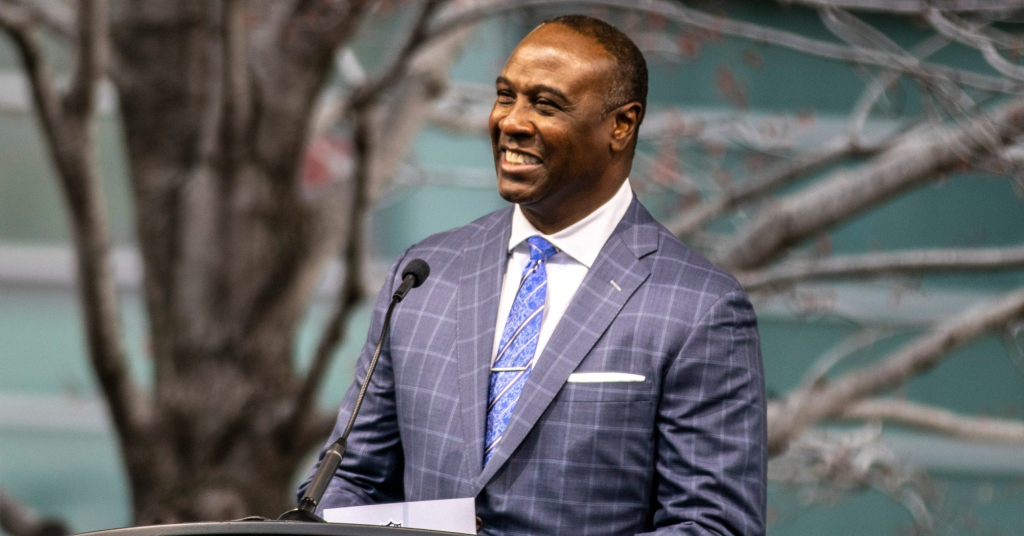
The reported departure of veteran analyst Charles Davis from NFL Network marks a focal point in an accelerating industry-wide talent realignments across sports broadcasting. Under the directive of ESPN President Jimmy Pitaro, major networks are undertaking aggressive cost-optimization strategies to absorb and integrate newly acquired, high-cost NFL rights assets. This operational shift has triggered talent turnover across linear networks, impacting prominent air personalities including Ryan Clark, Karl Ravech, David Lloyd, Stephania Bell, and Tom Pelissero.
High-Profile Talent Mobility: Davis to CBS
Demonstrating the fluidity of current broadcast talent markets, Davis is transitioning to CBS as the lead college football analyst alongside play-by-play veteran Brad Nessler for the upcoming fall season. While traditional broadcast outlets pare down non-core talent expenditures, competing networks are strategically acquiring established talent to reinforce primary marquee properties. CBS’s acquisition of Davis represents a targeted effort to capture college football viewership and advertising yields at a time when rival networks are undergoing internal labor contraction.
Capital Reallocation and Strategic Efficiency
Rising broadcast rights fees are forcing legacy media conglomerates to recalibrate their internal cost structures. The capital required to secure premium live rights leaves less margin for bloated talent rosters, accelerating a shift toward specialized, multi-platform efficiency. As broadcasters prioritize direct ROI on primary rights assets, legacy on-air contracts are subjected to strict economic evaluation, resulting in heightened talent mobility and strategic workforce reduction.
Long-Term Implications for Sports Commentary
As live sports remain the cornerstone of linear television’s value proposition, networks must continuously balance cost containment with brand equity. The departure of recognized analysts alters established audience touchpoints, forcing networks to rebuild broadcast identity while streamlining production budgets. Ultimately, the restructuring at ESPN and NFL Network underscores a permanent transition toward leaner, asset-centric media operations.

Photo by MACGYVER57 on Pixabay.