Peru Earthquakes Underscore Critical Infrastructure and Construction Material Vulnerabilities
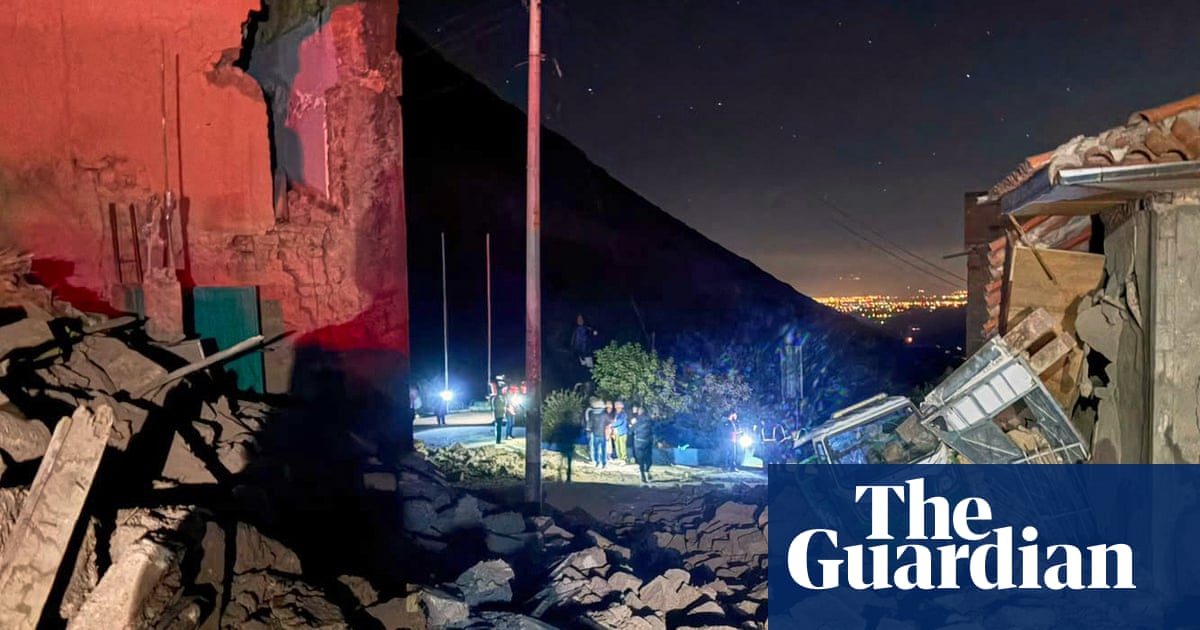
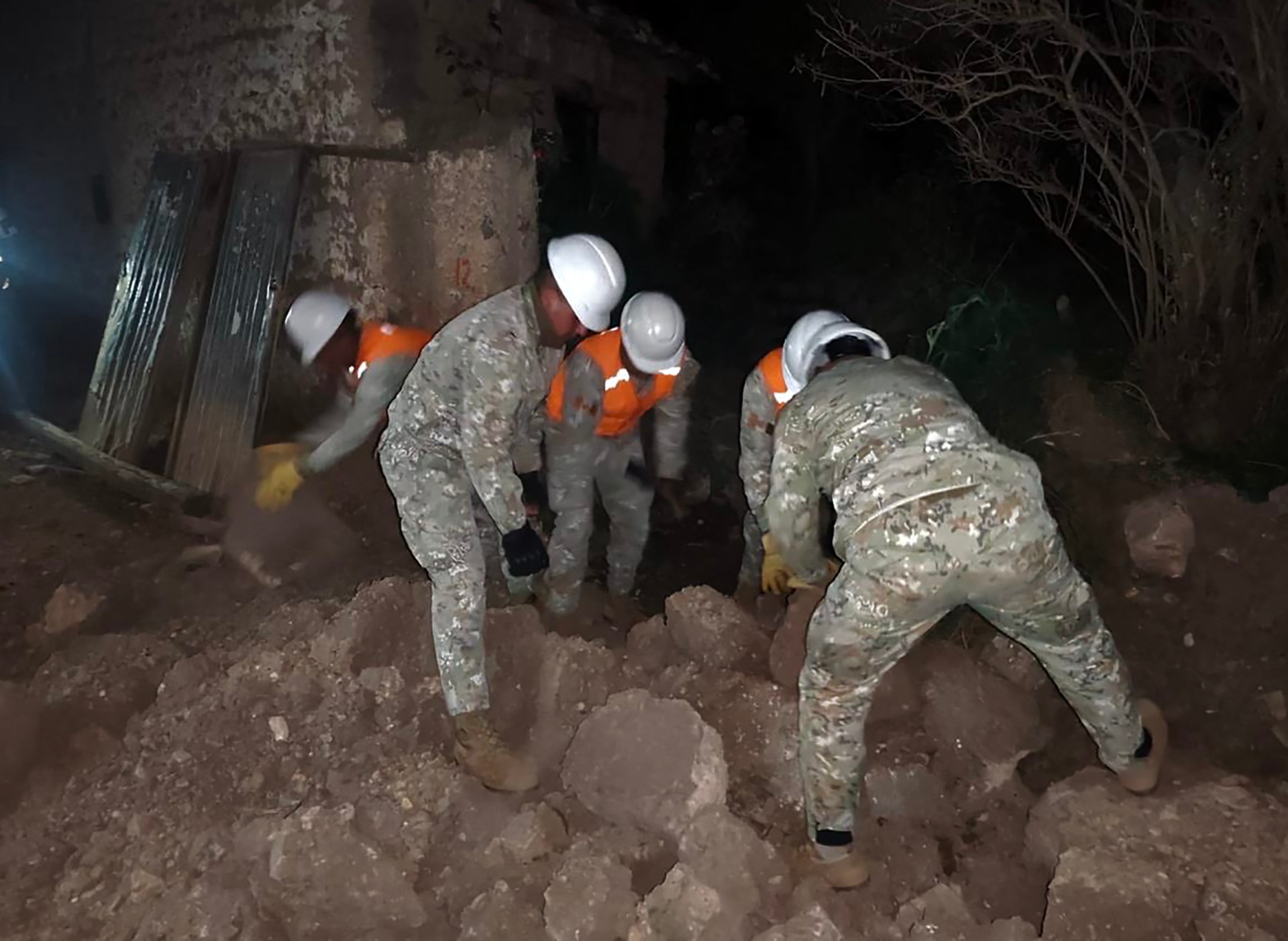
Twin seismic events, registering 5.1 and 3.7 on the Richter scale, struck Peru’s mountainous Junin region on Saturday night. Authorities reported at least five fatalities and 21 injuries. The quakes, with an epicenter 10 kilometers deep west-south-west of Sicaya in Huancayo province, reiterate Peru’s significant seismic risk as part of the Pacific “Ring of Fire.” The immediate aftermath revealed widespread structural damage, including collapsed homes, necessitating urgent rescue and aid operations.
The disaster’s impact is amplified by disrupted essential services and the strain on emergency response capabilities. The displacement of 300 individuals presents a substantial humanitarian challenge, demanding immediate resources for shelter, food, and medical assistance. Structural damage to key buildings, such as a local church and convent, highlights a critical issue in building code adherence and the insufficient resilience of vital infrastructure against seismic activity, a recurring concern in this geologically volatile zone.
Local civil defense chief Luis Vásquez directly linked the severity of damage to the prevalent use of rustic adobe in construction within the Andean region. This observation points to systemic flaws in building practices, where traditional, less seismically resistant materials remain widely employed. The financial repercussions for affected communities are profound, encompassing immediate repair costs, extensive rebuilding efforts, and long-term economic disruption impacting livelihoods and local economies.
The strategic implications for Peru’s governance are considerable, particularly concerning disaster preparedness and urban planning. The recurrence of seismic events mandates a proactive stance on infrastructure development and a comprehensive re-evaluation of construction material standards. The government faces the dual challenge of economic feasibility in construction versus public safety, necessitating policy interventions, updated building codes, and incentives for adopting resilient techniques.
Stakeholder exposure is multifaceted. Affected residents bear direct physical and financial risks. Local and national civil defense agencies face operational pressures and resource constraints. The construction industry and material suppliers confront potential regulatory scrutiny if substandard materials are identified as a contributing factor. The government’s disaster management and mitigation capacity is under constant evaluation, impacting public trust and political stability.
The competitive landscape for disaster relief and reconstruction services is expected to intensify. Demand for seismic retrofitting, emergency housing, and infrastructure repair specialists will likely rise. This event also spurs innovation in seismic-resistant building materials and techniques, potentially reshaping market preferences and regulatory requirements.
Peru’s government performance leverage hinges on implementing effective mitigation strategies and rapid response mechanisms. Successful recovery efforts can bolster public confidence and demonstrate institutional resilience. Conversely, inadequate response or failure to address underlying construction vulnerabilities could lead to significant reputational damage and long-term economic costs, potentially affecting foreign investment and international aid.
Capital movement implications are tied to reconstruction funding and investment in resilient infrastructure. International financial institutions and development agencies may provide crucial aid and loans. Domestic capital is vital for private sector reconstruction and the adoption of new construction technologies, requiring clear policy frameworks and investment incentives to stimulate private sector participation in enhancing national resilience.
The media plays a critical role in disseminating information and shaping public perception. Images of destruction and personal narratives amplify the urgency for action and can mobilize support for relief efforts. The dominant narrative will likely focus on the human impact, response efficacy, and long-term solutions, influencing public discourse and policy priorities.
President-elect Keiko Fujimori’s immediate condolences signal the political significance of disaster response. Her administration will be responsible for immediate recovery and long-term resilience strategies. Political capital will be gained or lost based on the effectiveness of these measures and the perceived commitment to public safety.
Peru’s institutional context, situated on the Ring of Fire, necessitates continuous adaptation and investment in disaster risk reduction. The National Seismological Center’s monitoring and early warning capabilities are paramount. The National Civil Defence Institute’s operational capacity is critical for coordinating response and ensuring population safety. The effectiveness of these institutions directly impacts national resilience.
Comparative analysis with other regional seismic events, like the 1,450-death earthquake in Venezuela, serves as a stark reminder of potential catastrophic losses in seismically active zones. While Peru’s casualties were lower, the underlying vulnerabilities persist. This underscores the imperative for robust disaster preparedness and mitigation across Latin America, a region sharing similar geological characteristics.
The agricultural nature of the Chongo Bajo region, one of the hardest-hit areas, indicates economic impacts extending beyond damaged homes to agricultural infrastructure and livelihoods. Disruption to farming, livestock loss, and damaged irrigation systems can cascade into food security issues, requiring targeted agricultural recovery support.
The inclusion of animals found under rubble highlights the disaster’s comprehensive impact. This underscores the need for a holistic response that considers the well-being of both human and animal populations, crucial for community recovery.
Reliance on social media for initial visual evidence of destruction and rescue efforts demonstrates the evolving role of digital platforms in disaster communication. While providing rapid insights, these platforms require verification and integration with official reporting for accurate information dissemination.
The long-term evolution of construction practices in Peru will be shaped by lessons learned. Increased demand for seismic-resistant materials and expertise could drive innovation. Regulatory bodies will face pressure to enforce stricter codes and potentially implement mandatory inspections in high-risk seismic zones.
The financial sector’s involvement may include re-evaluating insurance premiums in seismically active regions. This could incentivize investment in resilient construction to mitigate future costs, creating a market-driven push for safer building practices. Insurance availability and affordability are key factors for recovery and future development.
International community response, including aid and technical assistance, will be influenced by the perceived effectiveness of Peru’s internal disaster management systems. Demonstrated commitment to long-term resilience and transparent resource management can attract greater international support and foster partnerships.
The cultural implications of damaged religious structures like the church and convent are significant. These buildings often serve as community focal points and heritage repositories. Their reconstruction may require efforts to preserve historical and cultural significance, involving specialized expertise and community engagement.
Ultimately, the Junin earthquakes serve as a critical case study for Peru and other seismically active nations, emphasizing the interconnectedness of geological risk, infrastructure integrity, construction standards, and governmental preparedness. Strategic decisions made post-event will shape the nation’s capacity to withstand future seismic challenges and ensure citizen safety.