Strategic Inflection Points: Ferrari’s Operational Evolution
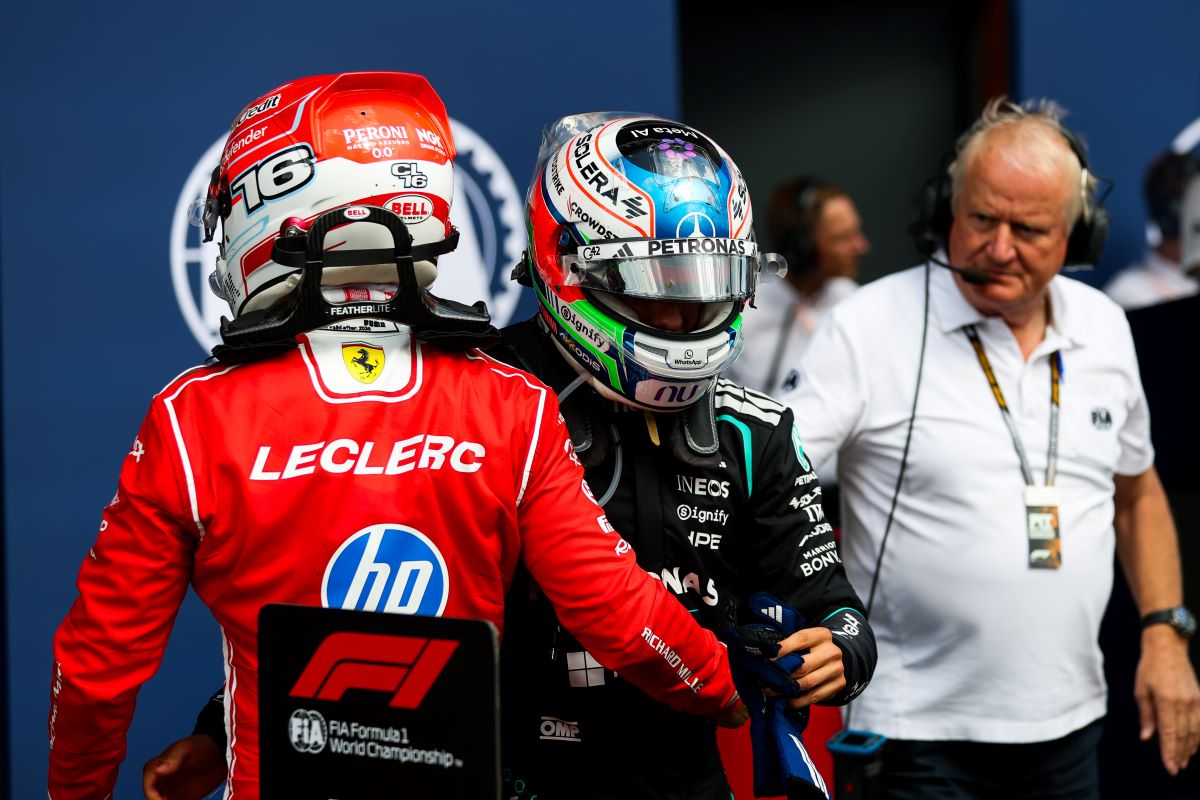
The 2026 Belgian Grand Prix at Spa-Francorchamps provided a definitive case study in marginal gains, where Ferrari’s operational precision balanced the raw technical delta of Mercedes. Charles Leclerc, capitalizing on momentum from his Silverstone victory, converted a high-pressure start into a P2 finish. His opening lap was defined by a calculated overtake on Max Verstappen, a maneuver that dismantled Red Bull’s defensive architecture and shifted the race’s early tactical gravity.
While Kimi Antonelli’s Mercedes eventually dictated the pace, Leclerc’s ability to stabilize the gap ensured Ferrari remained a viable threat. This performance signals a transition for the Scuderia, moving from reactive racing to a proactive, high-leverage strategy that maximizes the SF-26’s efficiency in high-speed sectors.
The VSC Pivot: Optimizing the Pit Window
Ferrari’s pit wall executed a critical tactical shift during the Virtual Safety Car (VSC) period. By prioritizing track position over the traditional pit window, the team leveraged the reduced time loss of the Spa pit lane to jumpstart Leclerc into the lead. This decision forced Mercedes into a high-degradation pursuit, testing the thermal limits of Antonelli’s tires in the final stint.
This institutional shift toward aggressive modeling reflects a refined integration between Maranello’s data engineers and Leclerc’s real-time feedback. By forcing their rivals into a reactive posture, Ferrari demonstrated that strategic maturity can frequently mitigate a deficit in pure mechanical grip.
Regulatory Interpretation at Les Combes
The stewards’ investigation into the Lap 8 encounter between Leclerc and Oscar Piastri at the Les Combes chicane highlighted the current regulatory tolerance for wheel-to-wheel racing. Leclerc’s defensive positioning was scrutinized for ‘erratic movement,’ yet the decision to take ‘no further action’ validated his aggressive braking-zone geometry.
For Leclerc, avoiding a five-second penalty was essential for maintaining the championship trajectory. The incident also underscored the intensifying friction between Ferrari and McLaren as they vie for the role of primary challenger to the Mercedes power unit’s current ascendancy.
Commercial Leverage and Fan Engagement Metrics
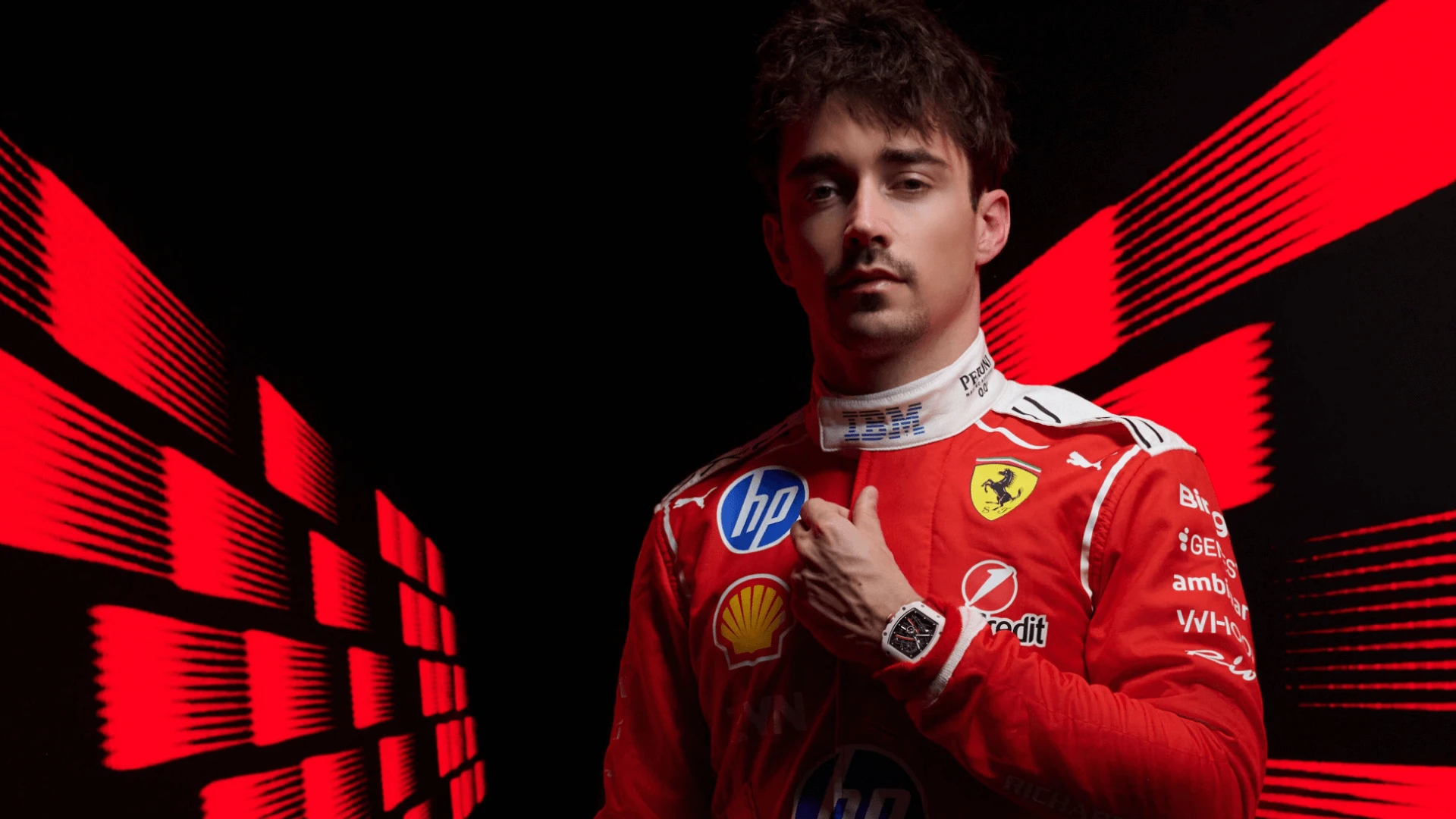
Leclerc’s selection as Driver of the Day (17.7% of the vote) serves as a key performance indicator of his marketability. Outperforming Antonelli (13.8%) and Verstappen (12.8%) in public sentiment—despite finishing P2—emphasizes the value placed on his defensive resilience. These engagement figures provide Ferrari with significant leverage in sponsorship valuations, reinforcing Leclerc’s status as a global cornerstone for the brand.
Technical Parity and the Path to the Title
While Leclerc earned the accolades, the race confirmed Mercedes’ aerodynamic superiority in sectors two and three. The performance delta in high-speed sweeps like Pouhon suggests that while Ferrari’s race craft is elite, further development is required to challenge for wins on merit alone. The 2026 Belgian Grand Prix concludes as a testament to Leclerc’s ability to extract the absolute ceiling of his machinery, setting a high bar for the remainder of the season.