Hanwha Life Esports Sweeps G2 at MSI 2026: A Tactical Masterclass
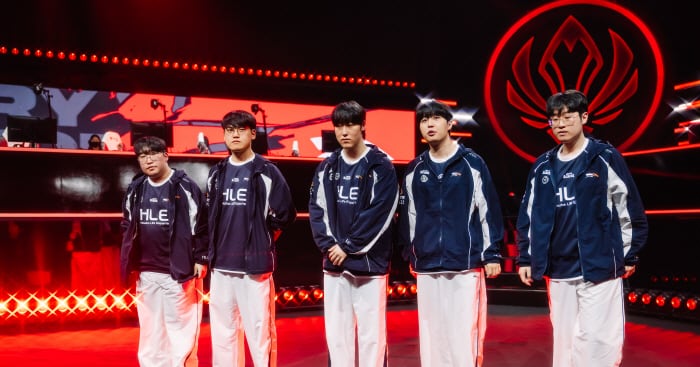
Hanwha Life Esports (HLE) delivered a commanding performance at the 2026 League of Legends Mid-Season Invitational (MSI), securing a decisive 3-0 sweep against European powerhouse G2 Esports in the second round of the winners’ bracket. Held at the Daejeon Convention Center’s Exhibition Hall 2, this victory not only propels HLE deeper into the upper bracket but also provides critical insights into the evolving competitive meta and the strategic business landscape of top-tier esports.
HLE’s Strategic Discipline Overcomes G2’s Aggressive Innovation
The series was a compelling clash of styles: G2’s signature aggressive and unpredictable play, characterized by unconventional champion selections, met HLE’s disciplined macro-play and calculated counter-strategies. G2’s attempts to disrupt the meta, notably with an off-meta top Warwick pick in the first game, aimed to create asymmetrical advantages and exploit perceived weaknesses. However, HLE’s preparedness and adaptability effectively neutralized these initiatives.
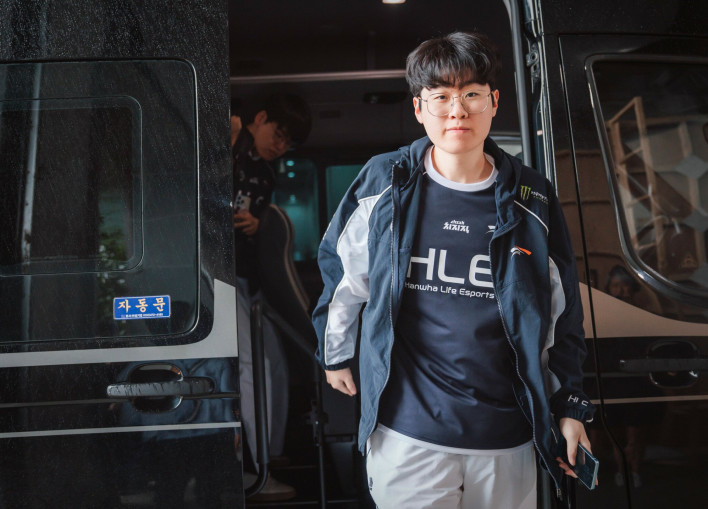
HLE’s ‘Zeus’ Choi Woo-je’s pre-match assessment—that such unconventional picks were encountered in regional solo queue—highlighted the Korean squad’s robust scouting and anticipation. Their execution demonstrated superior understanding of G2’s dive-heavy compositions, allowing them to consistently outmaneuver G2 in early skirmishes, maintain objective control, and secure dominant vision lines. This foundational control denied G2 the necessary space to snowball their aggressive picks, turning their intended advantages into exploitable liabilities.
The 3-0 defeat in the winners’ bracket forces G2 to re-evaluate their strategic flexibility and execution under high-pressure scenarios. While their innovation is a hallmark, against HLE’s refined counter-play, it proved insufficient, relegating them to the more challenging lower bracket path. This outcome also intensifies the long-standing regional rivalry between Europe’s LEC and Korea’s LCK, influencing global power rankings and competitive narratives.
Beyond the Rift: Esports’ Strategic Divergence from Blockchain Integration
Beyond the immediate competitive narrative, the MSI 2026 tournament serves as a significant data point for a broader industry trend: the conspicuous absence of deep blockchain and crypto integration within leading esports organizations and premier events. Despite the participation of globally recognized teams like G2 Esports and Hanwha Life Esports, the anticipated convergence with Web3 technologies remains largely unrealized.
This observed detachment manifests across various potential touchpoints. There were no visible promotions for fan tokens, no NFT-based digital collectibles or ticket stubs, and no metaverse watch parties actively integrated into the tournament experience or championed by the participating entities. This systemic non-adoption by established, high-profile organizations signals a deliberate strategic posture, rather than mere oversight.
Several factors likely underpin this divergence:
- Market Volatility & Maturity: The esports industry, particularly at this elite level, operates with established business models reliant on stable sponsorships, media rights, and merchandise. Integrating highly volatile crypto assets introduces financial uncertainty and potential reputational risks that mature organizations appear unwilling to absorb.
- Regulatory Complexity: The global nature of esports clashes with the fragmented and evolving regulatory landscape of blockchain technology. Navigating diverse international laws for tokenized assets, fan engagement, and digital transactions presents a significant compliance burden.
- Fan Experience & Brand Trust: Leading organizations prioritize maintaining fan trust and delivering accessible, engaging experiences. The speculative nature and technical hurdles often associated with crypto can alienate a broader fanbase or introduce negative sentiment, especially given past market downturns and security concerns in the Web3 space.
- Operational Focus & Resource Allocation: The core business of esports teams is competitive performance. Developing, managing, and securing blockchain infrastructure, along with educating users and ensuring compliance, demands substantial resources that these organizations might deem better allocated to player development, coaching staff, or traditional marketing efforts.
This strategic choice carries significant implications, as it foregoes potential new revenue streams associated with tokenized fan engagement or digital collectibles. It implicitly suggests that for major players like G2 and HLE, the perceived risks, operational complexities, and potential detractions to fan experience currently outweigh the speculative financial benefits of aggressive blockchain adoption.
The “growing gap” observation directly challenges the narrative of an inevitable convergence between esports and Web3 that gained traction in previous years. It indicates a period of strategic recalibration where major esports entities are consolidating around proven, stable revenue models. This approach sets a precedent for the entire ecosystem, from smaller teams to tournament organizers and potential sponsors, signaling that traditional monetization and engagement strategies remain the primary focus.
Ultimately, MSI 2026 not only showcased intense competitive action and strategic depth within League of Legends but also served as a critical barometer for the evolving relationship between professional esports and emerging digital economies. The observed institutional detachment from crypto integration reflects a cautious, risk-averse stance, prioritizing long-term stability and fan engagement over speculative technological ventures, thereby shaping the future trajectory of the global esports business landscape.