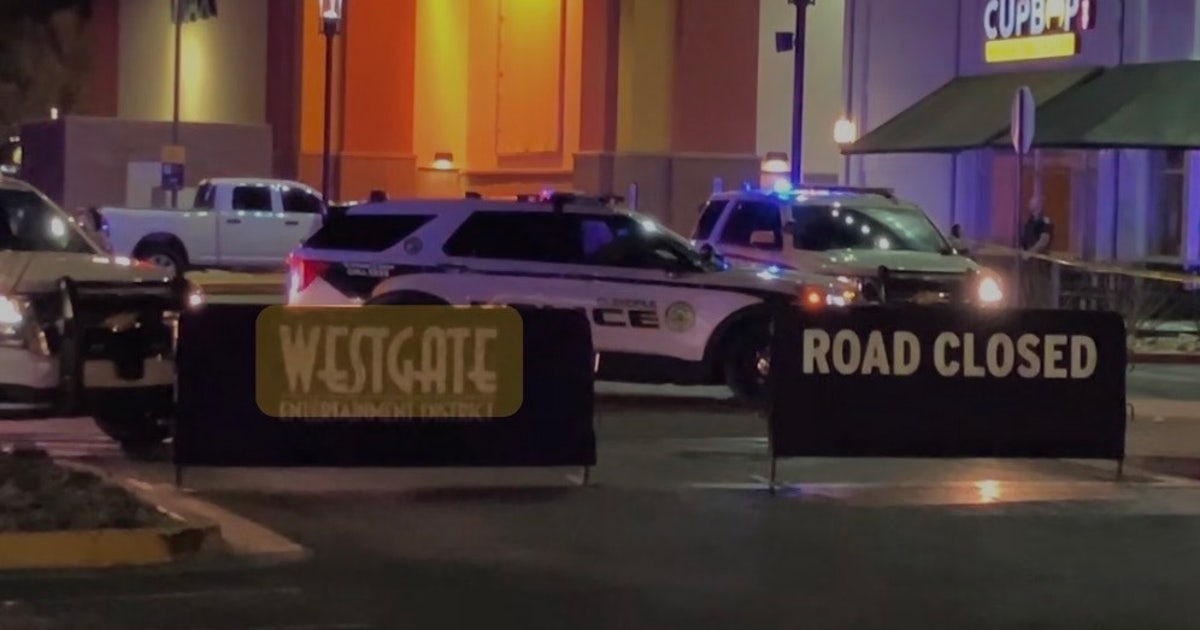
The shooting at Westgate Entertainment District on July 4 represents a critical stress test for the operational security of Glendale’s primary economic corridors. Occurring during peak holiday foot traffic, the event necessitated an immediate transition from commerce-driven management to active tactical containment. This incident highlights the inherent vulnerabilities of high-density mixed-use developments, where open-access design conflicts with the requirements of rapid perimeter stabilization.
Tactical Challenges in Porous Urban Environments
Unlike traditional enclosed commercial spaces, lifestyle centers like Westgate feature multiple points of entry and egress that complicate the establishment of a secure perimeter. The Glendale Police Department’s response faced the logistical hurdle of managing an active scene in a geographically diffuse environment while a suspect remained at large. This lack of immediate apprehension creates a period of ‘operational friction,’ straining municipal resources and demanding prolonged high-alert deployment that impacts regional law enforcement budgets.
Institutional communication has categorized the shooting as an isolated interpersonal conflict. This distinction is a vital tool for risk mitigation; by framing the event as targeted rather than random, authorities aim to stabilize the district’s reputation and prevent a total collapse in consumer confidence. However, the technical status of an ‘active investigation’ with no suspect in custody maintains a baseline of public anxiety that may suppress late-night foot traffic in the short term.
Economic Implications and Liability Frameworks
The cessation of operations during a high-revenue period like Independence Day results in immediate fiscal losses, but the downstream effects are more complex. Property managers and commercial tenants now face potential reassessments of insurance risk profiles. In high-traffic entertainment zones, premiums are sensitive to violent incidents, and stakeholders may now face demands for enhanced surveillance infrastructure or renegotiated lease terms based on perceived safety adequacy.
The incident also triggers a re-evaluation of the ‘entertainment district’ model. The concentration of human and financial capital in these zones creates high-stakes environments where a single security breach has outsized economic consequences. Municipalities must now weigh the substantial tax revenue generated by these hubs against the escalating costs of specialized police coverage required to maintain public order during peak holiday periods.
Conclusion: Integrated Security and Brand Restoration
Restoring normalcy at Westgate depends on the transition from reactive tactical response to proactive strategic monitoring. While the injuries sustained by victims were non-life-threatening, the reputational damage to the district is quantifiable. Future resilience will require integrated surveillance technologies that bridge the gap between private security and public law enforcement, ensuring that Westgate remains a viable destination without becoming an overtly securitized ‘fortress’ environment.