
The Strategic Realignment of Legacy Content
The removal of series such as The Bernie Mac Show from major streaming platforms highlights the growing volatility of digital distribution rights. As streamers pivot toward original production and cost-efficiency, the licensing of established sitcoms has become a tactical variable rather than a static asset. This instability creates a fragmented viewer experience, potentially eroding the long-term cultural footprint of series that rely on sustained library accessibility.
Operational Dynamics of Sitcom Longevity
The Bernie Mac Show leveraged a unique fourth-wall-breaking narrative structure to foster parasocial intimacy with the audience. For platforms, however, the financial calculation of maintaining such legacy titles—against the expense of renewal—often results in content displacement, forcing viewers toward secondary markets to maintain continuity.
NBC’s Capitalization on Proven Chemistry
NBC’s casting of Téa Leoni and Tim Daly in Newlyweds serves as a risk-mitigation strategy designed to bypass the traditional audience-acquisition phase. By utilizing the rapport established during their tenure on Madam Secretary, the network aims to secure immediate viewer retention in a high-saturation market, effectively using talent equity to reduce marketing friction.
The Institutional Value of On-Screen Rapport
The transition of Leoni and Daly into a comedy format represents an attempt to convert dramatic credibility into multi-genre appeal. When performers demonstrate an ability to anchor long-form narratives, they function as institutional assets. By redeploying this human capital, NBC seeks to build familiarity, though success remains contingent on the creative capacity of the writing staff to transition the actors into a new tonal context without appearing derivative.
Market Implications of Talent-Driven Programming
The financial logic underpinning this strategy relies on the predictability of viewer metrics associated with established pairings. However, this approach carries the risk of audience fatigue or the difficulty of decoupling performers from their legacy roles. NBC’s reliance on this model suggests a broader industry trend where, in the absence of legacy library stability, networks leverage the ‘familiarity heuristic’ as a primary currency to compete with global streaming platforms.
Structural Shifts in Media Consumption
The convergence of content consolidation—where proprietary ecosystems replace platform-agnostic models—and talent-driven production suggests a hybrid future for television. As 2026 approaches, the ability to balance the retention of existing IP with the strategic deployment of known talent remains the central competitive challenge for network executives navigating an increasingly transient media ecosystem.
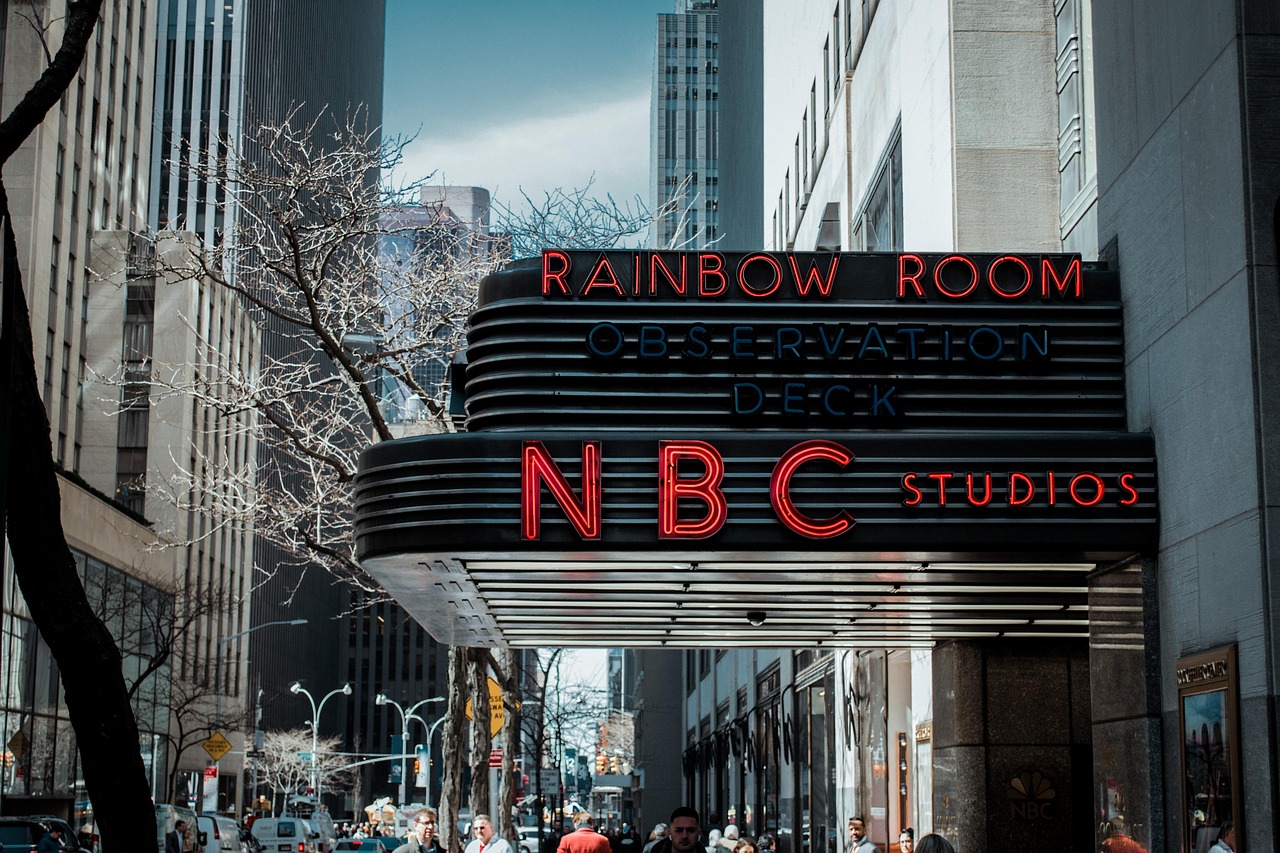
Photo by kokygonzalez on Pixabay.