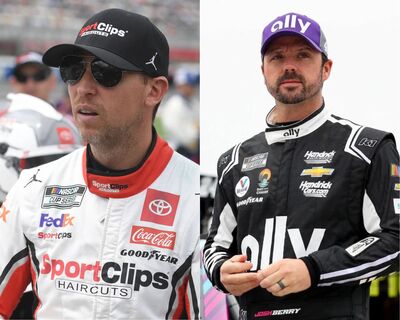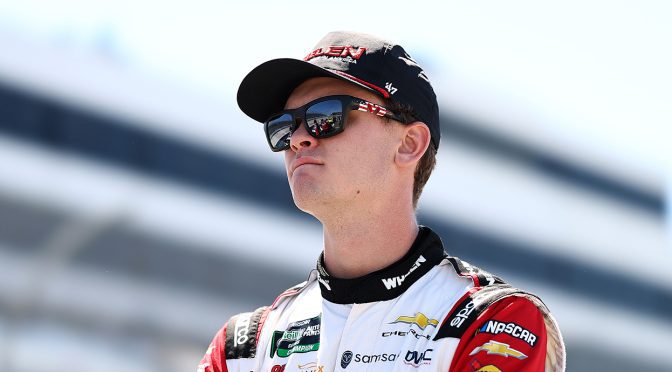
The appointment of Jesse Love to the No. 21 Wood Brothers Racing entry for 2027 represents a calculated realignment of Ford Performance’s driver development strategy. By securing the 2025 O’Reilly Auto Parts Series champion two years ahead of his debut, the organization is prioritizing long-term growth and technical integration over the immediate volatility often associated with independent-contractor driver arrangements.
The Operational Mechanics of the Penske-Wood Alliance
The technical partnership between Wood Brothers Racing and Team Penske serves as a definitive case study in the modern charter era. While the Wood Brothers retain autonomy over brand assets, the reliance on Penske for chassis fabrication, power units, and simulation data creates a dependency that defines the No. 21 car’s competitive ceiling. Critiques from industry figures suggest this structure effectively positions the Wood Brothers as an R&D laboratory for Penske, prioritizing developmental data acquisition over maximizing single-car race outcomes.
Economic Resilience and Data-Centric Sponsorship
The decision to replace Josh Berry, despite his 2025 Las Vegas victory, reflects the severe economic pressures of the current charter system. With an average finishing position of 26.5, the team’s performance failed to align with the commercial requirements of its sponsorship portfolio. The introduction of Capgemini as a primary partner signals a pivot toward technology-sector sponsors who prioritize data-driven marketing assets over traditional consumer reach, a necessity as costs for independent engineering R&D continue to climb.
The ‘Penske Trap’ and Driver Pipeline
Jesse Love’s extended onboarding process is designed to mitigate the steep learning curve inherent in the current Next Gen car. For Love, the challenge will be to navigate the ‘Penske Trap’—a scenario where developmental priorities from the parent team can inadvertently stifle a driver’s ability to compete at the front of the field. By committing early, Love gains two years of immersion in the Penske simulator and engineering loop, attempting to break the cycle of underperformance that hampered his predecessor.
Industry Implications
The exit of an established winner like Josh Berry highlights the shifting valuation of drivers in the NASCAR marketplace. As manufacturers shift toward younger, tech-literate talent, veterans face diminished leverage. The success of the 2027 transition will serve as a bellwether for the industry: either validating the ‘finishing school’ model of technical alliances or forcing a reevaluation of how much control parent teams should exert over their satellites.