Editorial Independence Under Scrutiny: The Pelley-Weiss Conflict at CBS News
The recent departure of veteran journalist Scott Pelley from CBS News, concluding a distinguished 37-year tenure, has ignited a profound industry-wide debate concerning editorial independence, factual integrity, and the strategic direction of major news organizations. This high-profile event, reportedly catalyzed by conflicts with Bari Weiss—who assumed a significant leadership role in October—exposes the inherent tensions between established journalistic autonomy and the evolving vision of new management, with potentially far-reaching implications for public trust and media credibility.
Allegations of Narrative Manipulation and Factual Distortion
Pelley’s account, detailed to The New York Times, cites his unexpected exit as stemming from disagreements over personnel decisions within the 60 Minutes team and, more critically, alleged attempts by Weiss to influence news narratives. These purported interventions at a network of CBS News’s stature directly challenge its operational stability and risk eroding the public perception of its journalistic integrity, particularly when they touch upon politically sensitive subjects.
Central to the controversy are Pelley’s claims that Weiss sought to direct news coverage to frame incidents in ways that might mitigate negative perceptions of former President Donald Trump. This alleged strategic shift in editorial approach, if substantiated, would prioritize specific political framings over traditional journalistic impartiality, directly impacting the network’s market positioning and audience trust metrics.
A specific instance cited by Pelley involved an email, purportedly sent by Weiss to his superior, requesting alterations to a 60 Minutes episode covering the killings of Renée Good and Alex Pretti. The alleged directives—to portray protesters as ‘more violent’ and to describe Good as ‘driving toward the officer’—represent a direct challenge to factual reporting protocols and editorial independence. Such actions raise serious questions about the ethical boundaries of news production and the potential for a network to compromise its foundational commitment to objectivity.
The operational implications of these alleged directives are substantial, as they can severely compromise the credibility of reporting teams and foster internal dissent. When journalistic output is perceived as shaped by external or politically motivated influences, it not only erodes staff morale but also undermines the rigorous verification processes central to investigative journalism, ultimately diminishing content quality and reliability.
Pelley’s subsequent public assertion via Instagram, stating that ‘New management has instructed me to inject falsehoods and bias into a politically sensitive story,’ explicitly framed the issue as a direct assault on journalistic ethics. This declaration by a seasoned correspondent underscores the severity of the perceived interference and its potential to establish a concerning precedent for editorial autonomy within the organization.
The factual discrepancy identified by Pelley—that CBS Evening News video of Renée Good’s final moments reportedly did not show her driving toward an officer—directly contradicts the alleged editorial instruction. This divergence between documented visual evidence and requested narrative highlights the critical role of verifiable facts in maintaining journalistic credibility and exposes the significant risks associated with attempts to manipulate factual representation. Such alleged attempts at factual distortion carry substantial reputational damage and potential legal exposure for a news organization, particularly in an era marked by heightened public skepticism and pervasive misinformation.
External Commentary and the Politicization of Media Trust
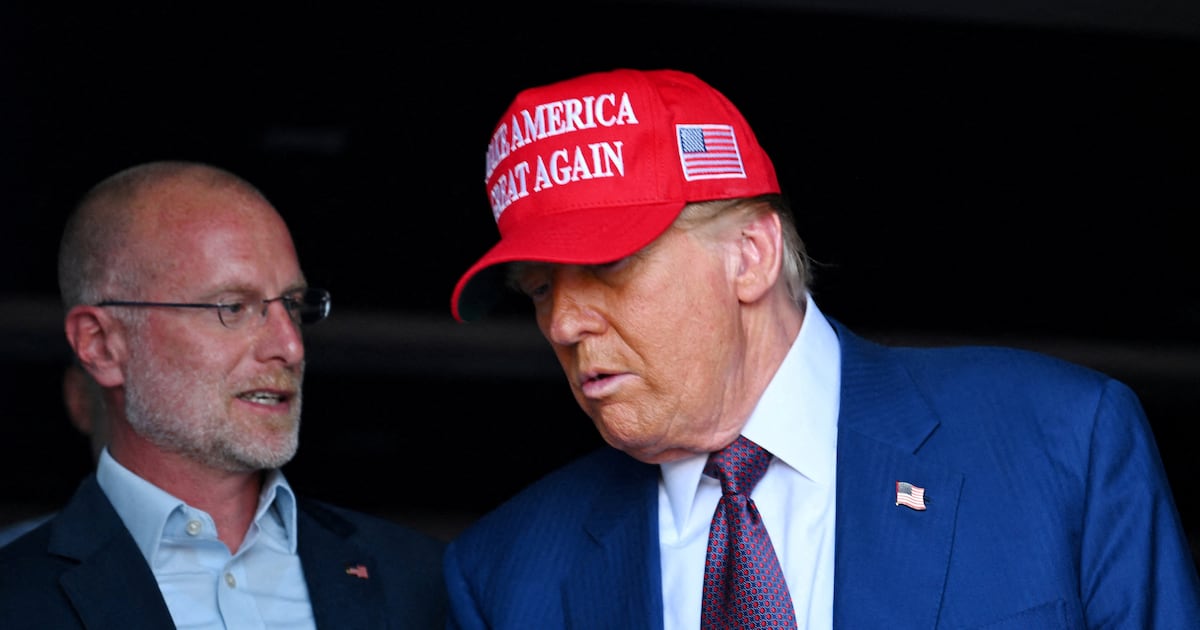
The dispute escalated beyond internal network dynamics with the intervention of Brendan Carr, the Federal Communications Commission Chair appointed by former President Trump. Carr’s comments on X, criticizing ‘legacy journalists’ like Pelley, attributed low public trust in media to their perceived ‘out of touch’ perspectives and behavior. These remarks, emanating from a high-ranking government official responsible for communications regulation, introduce a significant layer of political and regulatory scrutiny into internal media conflicts.
Carr’s commentary can be interpreted as an attempt to leverage a private editorial disagreement to reinforce a broader political narrative regarding media bias, thereby influencing public discourse around journalistic standards and institutional trust. His assertion that Pelley’s alleged behavior of confronting senior management would not be tolerated in a ‘run-of-the-mill job’ frames the issue not merely as an internal dispute but as a challenge to professional conduct and accountability. This perspective implicitly questions the unique operational and ethical standards historically associated with high-level journalism, suggesting a convergence with more conventional corporate employment expectations.
This external commentary from a government regulator carries several downstream effects, including the potential to embolden certain political factions and further polarize public opinion regarding media institutions. It starkly highlights the increasing politicization of media oversight and the challenges news organizations face in maintaining perceived neutrality amidst intense ideological scrutiny. For CBS News, navigating such public criticism from a federal official necessitates a careful balancing act between upholding journalistic principles and managing regulatory relationships, potentially impacting its brand image, operational autonomy, and market positioning.
Structural Pressures on Journalistic Integrity in an Evolving Ecosystem
The conflict between Pelley and Weiss transcends a mere personnel issue; it reflects deeper structural pressures reshaping the contemporary media landscape. It underscores the inherent tension between traditional journalistic ethics—often rooted in objectivity and factual fidelity—and evolving business models or ideologically driven editorial alignments. The acquisition of influence by figures like Weiss, known for distinct perspectives on media and culture, signals a potential strategic realignment within established news institutions, impacting their fundamental purpose and operational ethos.
This dynamic frequently entails a re-evaluation of editorial priorities, content strategy, and target demographics, leading to significant cultural shifts within newsrooms. Veteran journalists, accustomed to long-standing editorial policies, may find themselves at odds with new leadership implementing different editorial frameworks, leading to internal friction and potential talent drain. The narrative of ‘legacy journalists’ being ‘out of touch,’ as articulated by Carr, resonates with a broader societal skepticism questioning the relevance and impartiality of established media institutions—a skepticism often amplified through digital platforms, creating a challenging environment for traditional news outlets striving to maintain authority and trust across diverse audiences.
From an operational standpoint, effectively managing such internal and external pressures demands robust governance structures and explicit editorial guidelines. The absence of these can lead to fragmented editorial control, inconsistent content quality, and a diminished capacity to respond effectively to public scrutiny, thereby impairing an organization’s competitive standing. The financial implications of perceived bias or a decline in trust are substantial, directly affecting viewership, subscription rates, and advertising revenue in a highly competitive media market. Maintaining a reputation for unbiased, factual reporting remains a critical asset for economic leverage and long-term sustainability.
Ultimately, the Pelley-Weiss incident at CBS News serves as a critical case study in the ongoing recalibration within the media ecosystem. It illuminates the struggle to define the role of media in a democratic society, to uphold its standards, and to preserve public trust in an increasingly fragmented and politicized information environment. The strategic decisions made in response to such challenges will undoubtedly dictate the trajectory and cultural impact of media institutions for years to come, profoundly influencing public discourse and the foundational principles of a free press.