
The Institutional Pivot: From Venture Capital to Investment Banking
The aerospace sector is witnessing a paradigm shift as SpaceX transitions from a venture-backed disruptor to a cornerstone of institutional portfolios. Recent engagements between SpaceX leadership and JPMorgan Chase signal more than a mere search for capital; they represent the formalization of aerospace as a systemic asset class. This institutional convergence suggests that internal valuation metrics have migrated beyond speculative private equity toward the rigorous underwriting standards of Tier-1 investment banks.
The Mechanics of Index Inclusion and Forced Buying
A central pillar of the current market discourse is the ‘forced buying’ phenomenon. Given SpaceX’s estimated valuation, a public listing would necessitate immediate inclusion in major indices like the S&P 500 or Nasdaq-100. This structural requirement forces passive fund managers to allocate capital regardless of fundamental premiums. This mechanical demand creates a robust liquidity floor but introduces systemic volatility, as massive passive flows can overwhelm traditional active price discovery.
Secondary Market Sophistication and Capital Autonomy
SpaceX has pioneered a unique capital formation model, utilizing high-frequency secondary markets to provide liquidity without the regulatory friction of an IPO. This hybrid approach allows for ‘price discovery in private,’ enabling the firm to maintain strategic autonomy and technical agility. By restricting participation to sophisticated institutional players, SpaceX avoids the short-termism and quarterly reporting volatility that often plagues publicly traded industrial giants.
Concentration Risk and Competitive Moats
The concentration of institutional capital into a single dominant player creates a self-reinforcing competitive advantage. As Wall Street facilitates deeper liquidity for SpaceX, the cost of capital for smaller competitors increases, potentially stifling broader sector innovation. This financial feedback loop reinforces a proprietary ‘moat’ that is as much about capital access as it is about rocket reusable technology.
Regulatory Transparency versus Strategic Confidentiality
The ultimate barrier to a public offering remains the tension between capital scale and operational secrecy. Transitioning to a public entity would expose SpaceX’s unit economics and R&D expenditures to global competitors. Investors must weigh the benefits of public-market liquidity against the risk of ‘institutional inertia’ and the transparency requirements of the SEC, which could decelerate the company’s characteristically rapid decision-making cycle.
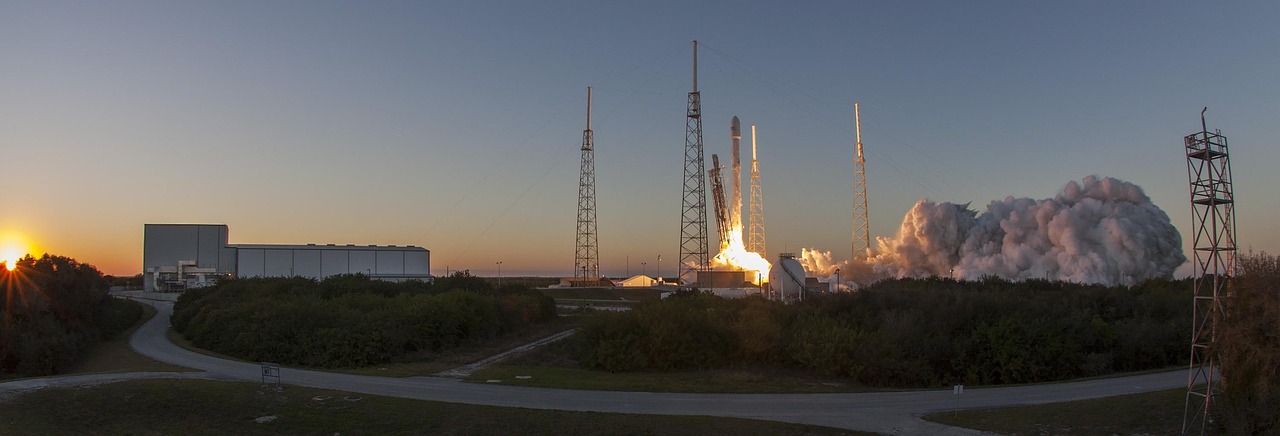
Cover photo by viktorleon960 on Pixabay.