Institutional Talent Reallocation
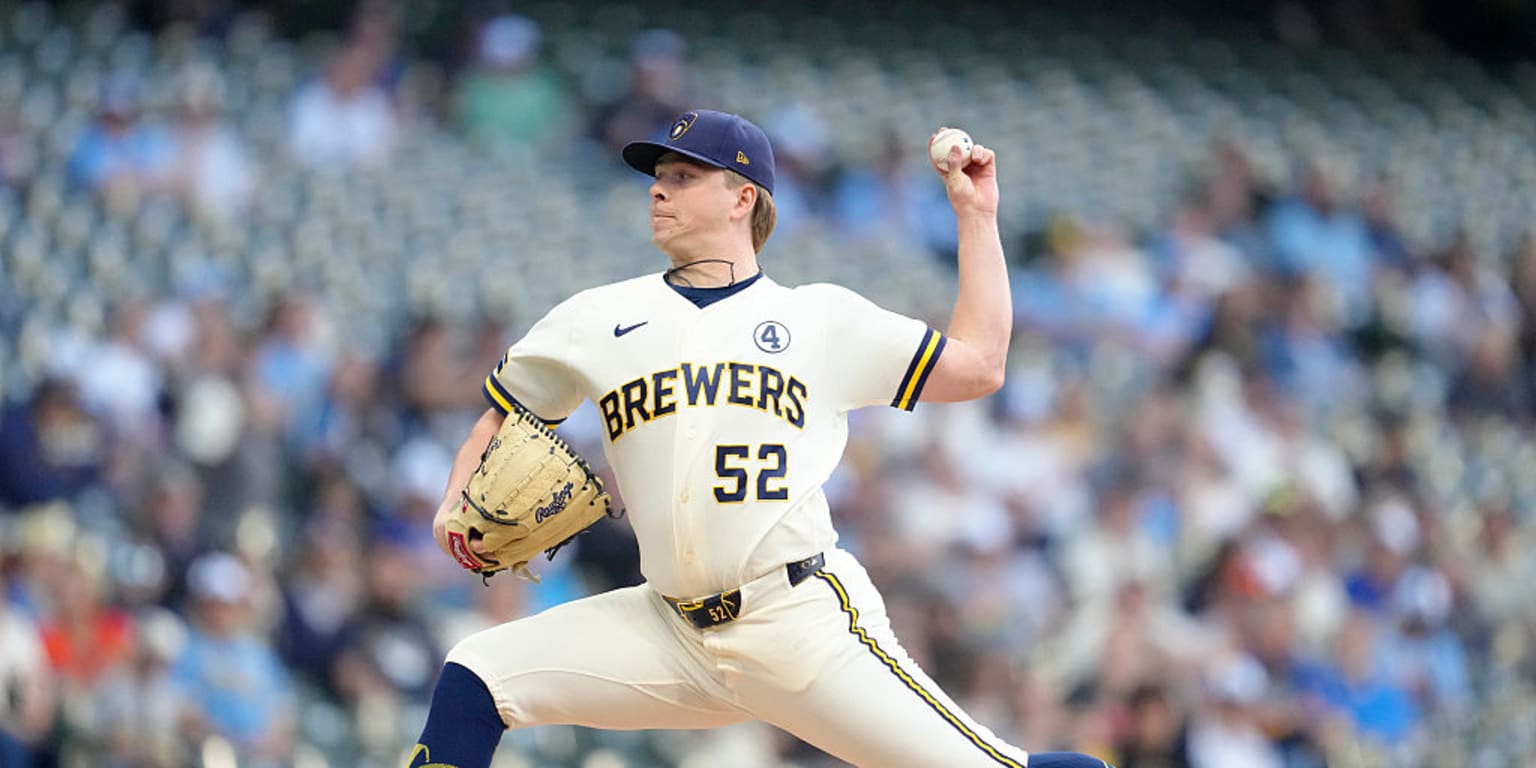
Kyle Harrison’s progression from a San Francisco Giants prospect to a cornerstone of the Milwaukee Brewers’ rotation exemplifies the volatile calculus of mid-season roster consolidation. When the Giants secured Rafael Devers in June, the inclusion of Harrison served as a high-cost pivot toward immediate offensive leverage. This transaction underscores the perennial front-office dilemma: sacrificing long-term pitching depth to bridge a short-term performance gap.
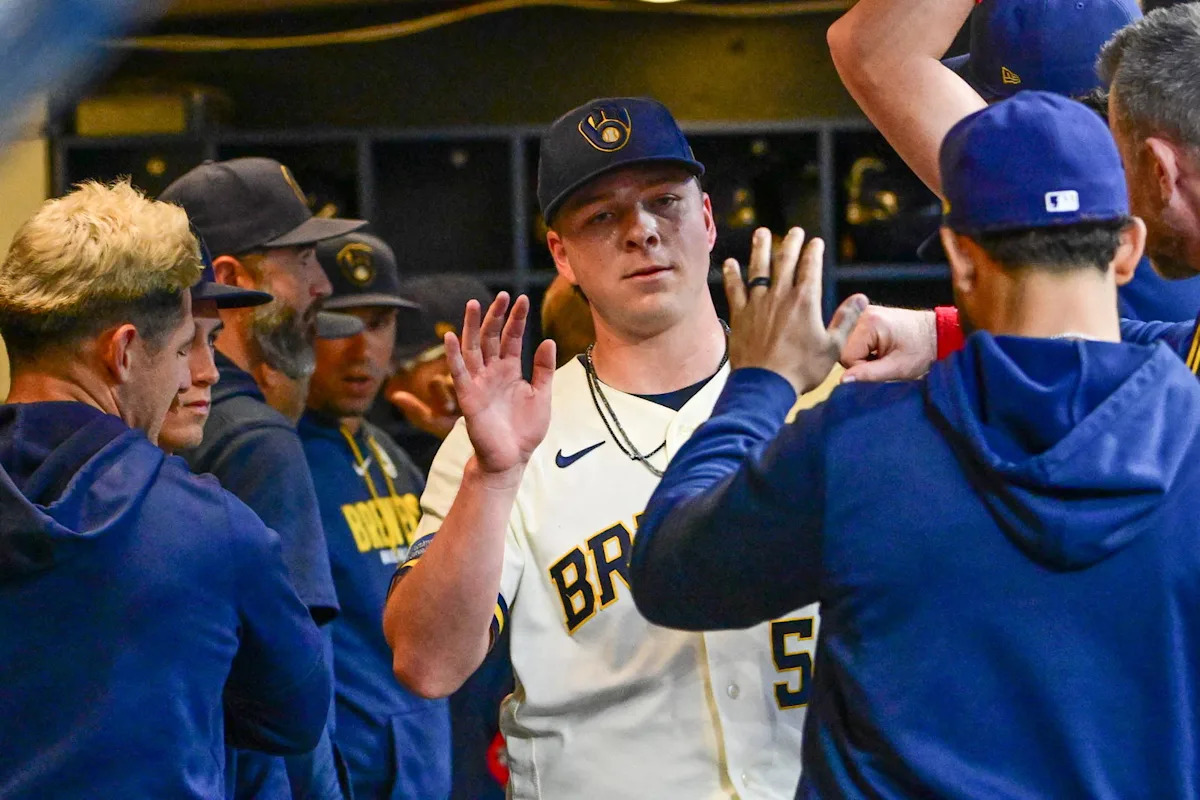
Harrison’s secondary movement through the Red Sox to the Brewers highlights how organizational environment—defined by coaching philosophy and technical infrastructure—often dictates player outcomes more effectively than raw draft status. While Boston utilized Harrison as a transactional asset, Milwaukee identified a developmental profile that allowed his latent potential to manifest.
Environment and Competitive Leverage
Harrison’s shift from the Bay Area to Milwaukee facilitated a significant reduction in localized psychological pressure, enabling technical recalibration. By integrating him into a system that optimizes specialized pitching metrics, the Brewers have capitalized on environmental stability. His current 1.57 ERA demonstrates that institutional alignment can transform a high-ceiling prospect into a high-leverage elite starter.
Statistical Dominance and Rotation Stability
The synergy between Harrison and Jacob Misiorowski represents a rare performance standard. According to OptaSTATS, the duo has consistently maintained sub-2.00 ERAs while sustaining elite strikeout rates. This performance floor provides the Brewers with a structural advantage that mitigates reliance on high-variance offensive output, establishing a replicable model for sustained success in a league defined by offensive volatility.
The Long-Term Cost of Competitive Aggression
For the San Francisco Giants, Harrison’s current trajectory acts as an audit of the Rafael Devers trade. While the acquisition of an elite hitter met immediate tactical needs, the loss of an emerging homegrown left-hander challenges traditional asset valuation models. General Manager Zack Minasian’s approach highlights the inherent, albeit unsettling, reality of modern baseball: acquiring impact talent requires the divestment of high-value, albeit unproven, prospects.
Structural Sustainability
The Brewers’ model offers a blueprint for mid-market teams, prioritizing internal refinement over massive free-agent expenditure. By fostering an environment where talent can mature under data-driven guidance, Milwaukee has created a resilient competitive framework. As the 2026 season progresses, the organizational management of Harrison and Misiorowski’s workloads will determine the durability of this institutional strategy. The Harrison saga confirms that the value of an asset is not static; it is intrinsically linked to the efficacy of the environment in which it is deployed.