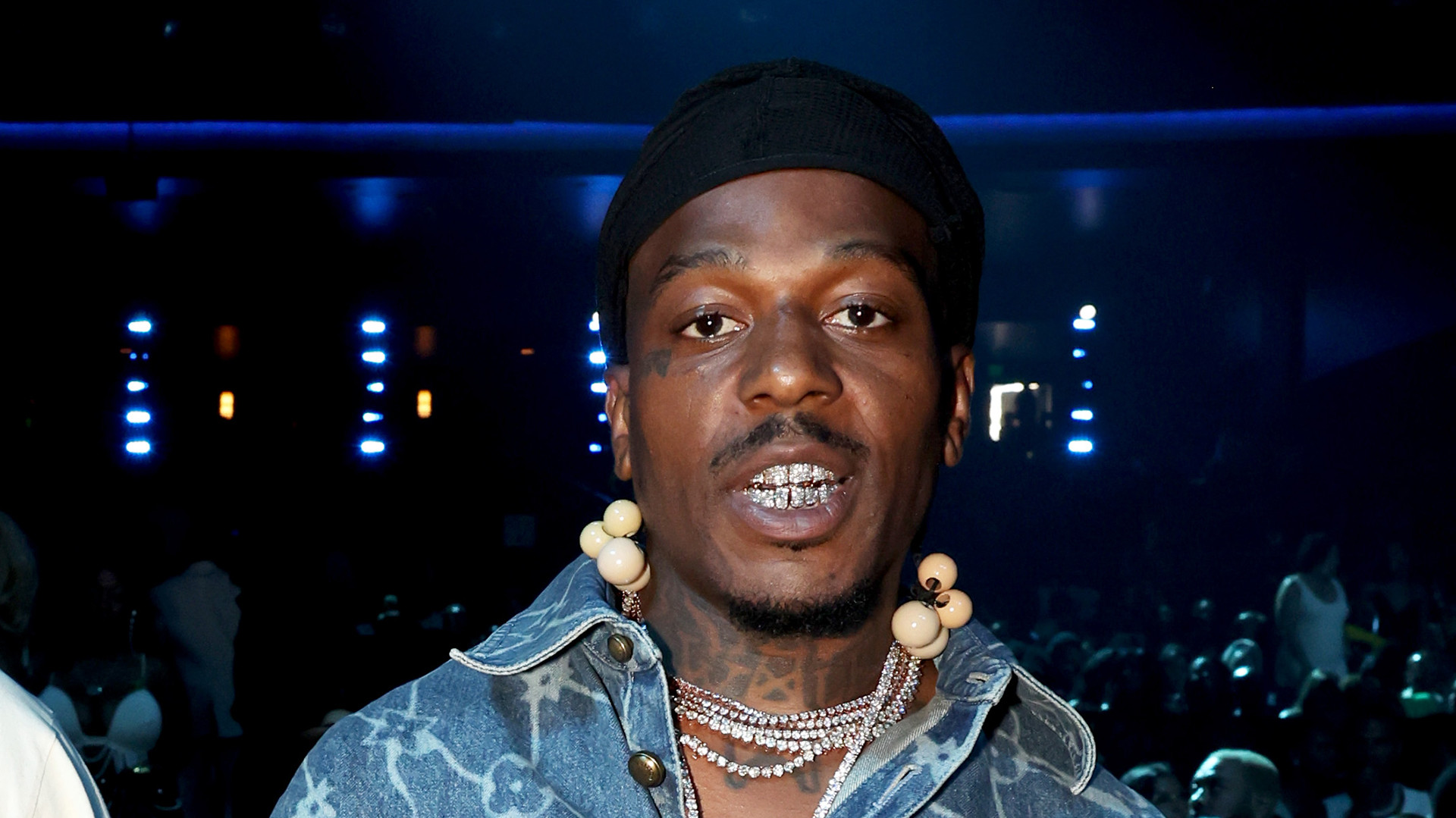
The public emergence of leaked audio recordings and digital correspondences involving Houston-based rapper Sauce Walka and his co-parent, Kiley Lossen, highlights the volatile intersection of private domestic disputes, digital media amplification, and institutional legal exposure. Released on June 1, 2026, the materials have triggered widespread public scrutiny, raising critical questions regarding the structural and commercial stability of independent musical assets. The documentation—which contains allegations of historical physical abuse, threats of imminent violence, and explicit threats directed at global recording artist Drake—illustrates how rapidly personal conduct can transition into severe corporate and legal liability.
In an exclusive statement delivered to the media outlet The Shade Room, Lossen clarified her motivations for publishing the materials, explicitly distancing her actions from the pursuit of digital capital or online attention. She framed her disclosure as a necessary intervention to break a multi-year cycle of intimidation and conflict, which she had previously suppressed to protect the commercial viability and public reputation of those involved. This dynamic exposes the acute structural pressures experienced by individuals within high-profile entertainment ecosystems, where personal safety and mental health are frequently leveraged against the financial equity of a celebrity brand.
Media Disintermediation and the Collapse of Crisis Management
By leveraging a direct-to-consumer distribution strategy via The Shade Room, Lossen bypassed traditional public relations gatekeepers and institutional mediation frameworks. Historically, the entertainment industry has sought to contain domestic disputes through non-disclosure agreements (NDAs), financial settlements, or coordinated media suppression. The public dissemination of unedited digital evidence effectively neutralizes these conventional containment strategies, rendering standard crisis public relations playbooks obsolete.
This shift toward narrative disintermediation strips an artist’s management team of their ability to control information flows. When raw evidentiary files are hosted on public digital platforms, corporate stakeholders and consumer audiences are forced to engage directly with the substance of the allegations. This direct exposure accelerates the timeline of brand damage, forcing downstream business partners—such as streaming platforms, booking agencies, and corporate sponsors—to make rapid, preventive risk-management decisions before formal legal adjudication can occur.
Evidentiary Admissibility and Forensic Verification in Legal Proceedings
From a legal perspective, the assertions captured in the June 1, 2026 leaks carry profound implications under state and federal frameworks governing domestic violence, terroristic threats, and custodial disputes. The recordings document a confrontation in which Lossen accuses Sauce Walka of historical physical abuse—a claim the artist refutes within the audio. However, the legal complexity escalates significantly due to statements where the rapper reportedly admits to a willingness to commit future violence and claims to have orchestrated physical assaults against Lossen through third-party actors.
For these materials to transition from public controversy to judicial evidence, they must survive rigorous authentication protocols. In contemporary jurisprudence, the admissibility of leaked digital media requires forensic verification of provenance, continuity, and speaker identity to rule out digital manipulation or contextual distortion. If authenticated, admissions of soliciting third-party violence introduce potential criminal exposure regarding conspiracy, while documented threats of future violence provide immediate grounds for protective orders and modifications to child custody structures under the family court standard of the child’s best interests.
Corporate Liability and Security Protocols for High-Profile Targets
The explicit threats directed at Drake, referencing a 2024 relationship between the global artist and Lossen, introduce an external systemic shock to the dispute. In the modern corporate entertainment landscape, global artists represent multi-million-dollar corporate enterprises. Any credible, documented threat of violence against a figure of this caliber triggers immediate security protocols and legal risk assessments by talent agencies, major record labels, and corporate insurers.
For these corporate stakeholders, the primary objective is the mitigation of physical and financial risk. Explicit threats of violence can activate moral turpitude or safety-breach clauses within existing commercial contracts, allowing partners to unilaterally sever business relationships with the offending party without financial penalty. Furthermore, if the threats were communicated across state lines, they risk attracting the attention of federal law enforcement agencies, transforming a localized domestic dispute into a multi-jurisdictional criminal matter.
Economic Vulnerabilities of the Independent Music Infrastructure
The operational fallout of this controversy highlights the systemic financial precarity of the independent music model. Unlike major-label signees, who benefit from extensive corporate buffers and diversified capital backing, independent artists operate within lean, highly sensitive economic structures. Their revenue generation is directly dependent on continuous operational liquidity, local and regional touring, and algorithm-driven digital streaming distribution.
Allegations of severe domestic misconduct and violence present immediate threats to these vital revenue streams. Modern digital streaming platforms maintain strict content-curation policies and can quietly de-index or remove controversial artists from editorial playlists, severely curtailing digital royalties. Simultaneously, live venue operators and festival promoters face prohibitive insurance premiums or complete coverage denial when booking artists associated with credible threats of violence. This operational bottleneck can effectively freeze an independent artist’s primary source of income, illustrating the fragile economic foundation of independent entertainment ventures.