The 2026 Women’s College World Series (WCWS) has reached a high-leverage semifinal phase where the structural constraints of double-elimination format are dictating roster management and tactical aggression. As the field narrows to four programs, the intersection of institutional prestige and operational execution has become the primary driver of outcomes in Oklahoma City. The current landscape is defined by the University of Texas’s resilience and the defensive dominance of the University of Alabama, both navigating distinct paths toward the national championship series.
The Operational Burden of Bracket Seniority
The No. 2 seeded Texas Longhorns’ 5-2 victory over No. 7 Tennessee carries significant implications for pitching durability. Because Texas entered from the losers’ bracket, the victory necessitates a secondary, decisive contest rather than granting an immediate finals berth. This structural requirement imposes an immense physical burden on the Longhorns’ rotation; maintaining high-velocity performance across additional elimination innings is the cost of their earlier tournament setback. For Tennessee, the loss represents a strategic failure to leverage their initial bracket advantage, shifting momentum toward a Texas program optimized for high-pressure recovery.
Alabama’s Disruption of Nebraska’s Historic Momentum
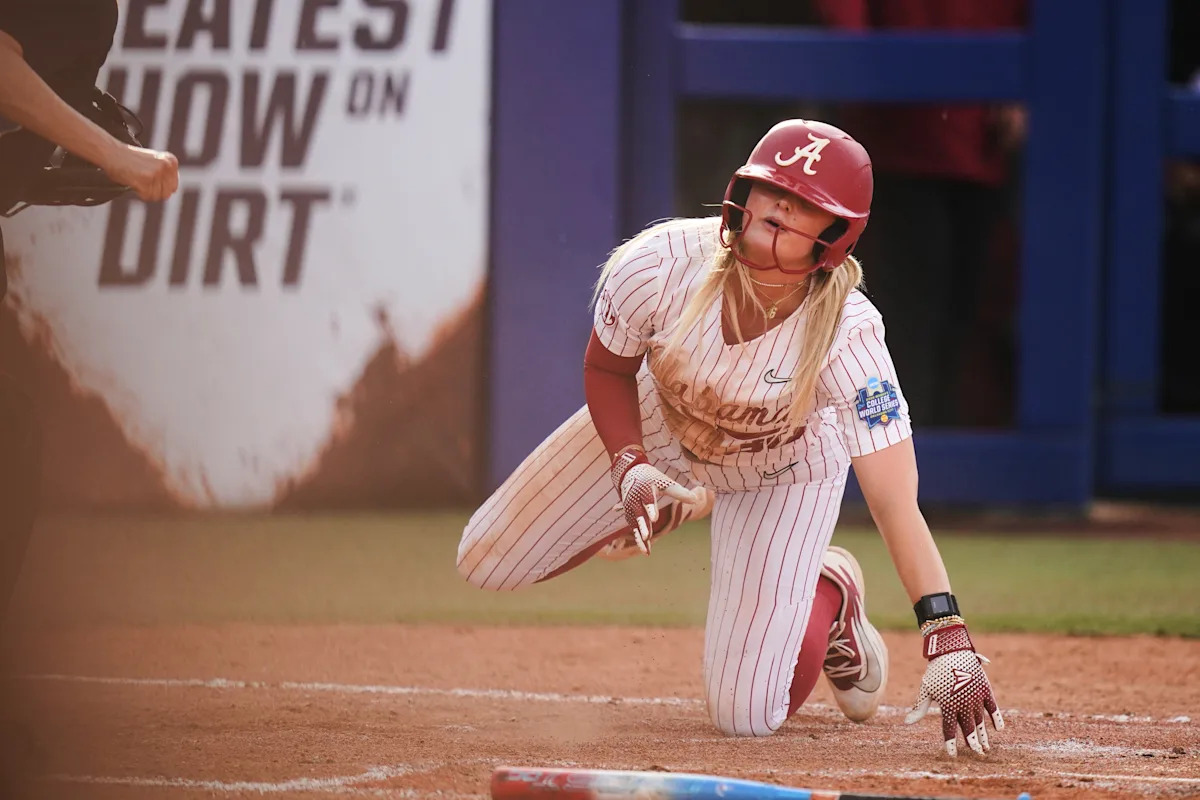
The No. 3 Alabama Crimson Tide’s 5-1 victory over the No. 1 Nebraska Cornhuskers serves as a case study in tactical disruption. Nebraska entered the contest with a nation-leading 27-game winning streak—a program record providing significant psychological leverage. Alabama’s dismantling of this momentum in the opening frame via a three-run home run fundamentally altered the strategic calculus. By establishing an immediate lead, the Crimson Tide forced Nebraska into a reactive posture, undermining the Cornhuskers’ offensive rhythm and forcing early-inning defensive re-alignments.
Pitching Dynamics and Tactical Efficiency
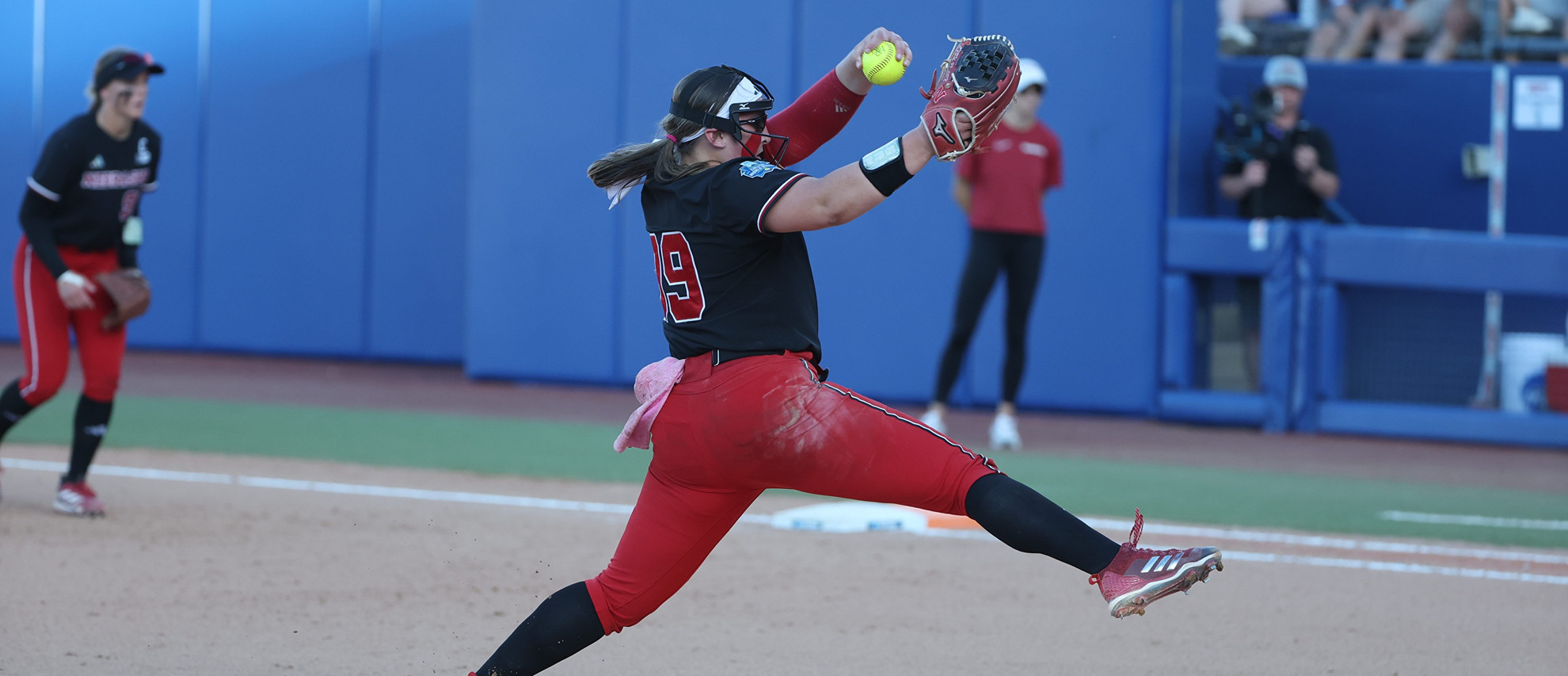
Performance data from the Alabama-Nebraska matchup reveals the narrow margins of championship-level softball. Nebraska’s Jordy Frahm (21-5) surrendered three runs in two innings, forcing a reliance on Alexis Jensen for the final four. While Jensen stabilized the defense with six strikeouts, the surrender of two unearned runs highlighted a breakdown in fundamental execution under environmental pressure. Alabama’s ability to capitalize on these lapses while maintaining defensive integrity underscores their status as a primary contender for the title.
Institutional Impact and Media Positioning
The broadcast of these semifinals on ESPN represents a major capital investment in the visibility of women’s collegiate athletics. The media rights landscape for the WCWS has evolved into a primary revenue driver for the NCAA, with the centralized location in Oklahoma City providing a consistent brand. For participating universities, the financial and reputational stakes are substantial; a national championship appearance serves as a potent marketing tool for athletic departments, influencing future recruitment and donor engagement. The performance of these four teams is a critical component of their institutions’ long-term strategic positioning within the collegiate sports ecosystem.
Psychological Weight of the Elimination Game
Nebraska’s upcoming elimination game against Texas represents a collision of programs with high expectations. For Nebraska, the challenge lies in emotional resets after the termination of their winning streak. The loss to Alabama exposed early-inning vulnerabilities that Texas—a program noted for aggressive offensive philosophy—will likely exploit. Conversely, Texas must manage the physical toll of consecutive high-intensity games. The winner will face a significantly more difficult path to the title, having exhausted more pitching resources than the teams remaining in the winners’ bracket.