Market Volatility and Institutional Stakes
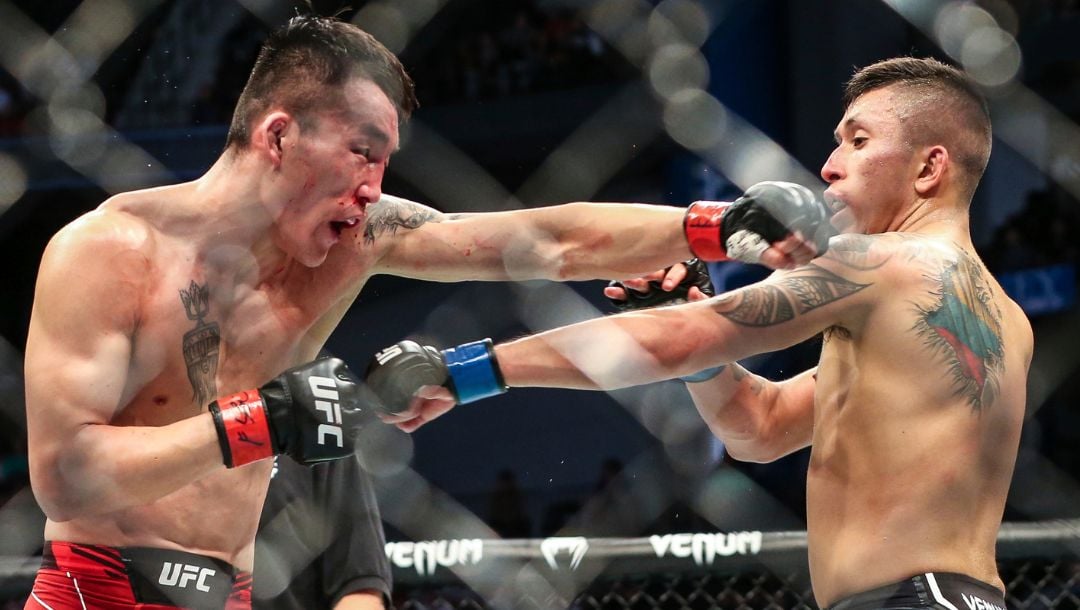
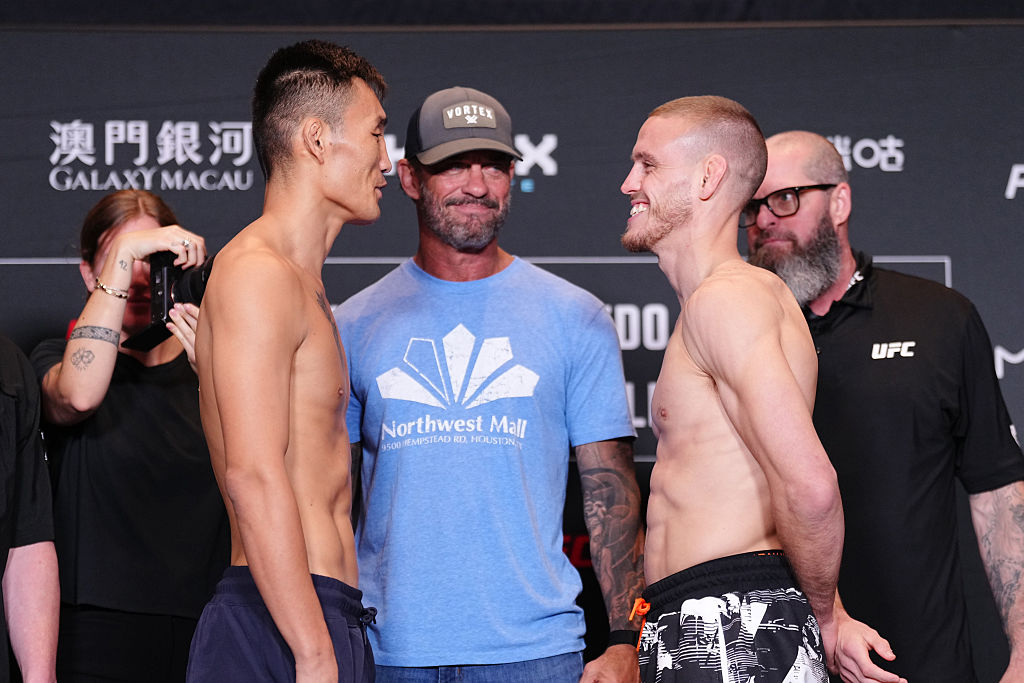
The bantamweight fixture between Aoriqileng and Cody Haddon at Macau’s Galaxy Arena represents a high-stakes calibration of the UFC’s regional expansion strategy. Positioned on the preliminary card, this bout serves as an empirical test of the ‘prospect vs. veteran’ archetype. Haddon, entering as a significant -400 favorite, carries the burden of high market expectation based on an 88% finishing rate. Conversely, Aoriqileng’s +310 underdog status reflects a potential market undervaluation of defensive attrition and the durability inherent in a 38-fight professional career. For the UFC, the outcome dictates future capital investment in the East Asian talent pipeline versus the promotion of high-velocity international finishers.
The Experience Gap and Physiological Variables
A 29-fight discrepancy in professional experience introduces a critical variable in predictive modeling. Aoriqileng’s extensive tenure provides a high-fidelity dataset regarding his recovery cycles and adaptability under duress. This veteran resilience is contrasted by Haddon’s relatively sparse nine-fight resume. While Haddon’s recent six-fight win streak suggests a high ceiling, his 19-month competitive hiatus introduces operational risks related to ring rust and cognitive processing speed. In a high-velocity 135-pound division, the decoupling of training-room performance from live execution can lead to critical defensive lapses that Aoriqileng’s Sanda-based counter-striking is well-equipped to exploit.
Biometric Parity and Tactical Mechanics
The technical clash is underscored by near-identical biometrics, with both athletes possessing a 69-inch reach. This parity shifts the tactical burden from physical leverage to mechanical efficiency. Aoriqileng’s Sanda foundation utilizes catch-kicks and reactive takedowns to disrupt rhythm—a specific counter to the high-output aggression that fuels Haddon’s finishing sequences. The market’s expectation of a stoppage (+120 for a Haddon finish) ignores the tactical stalemate that often occurs when a veteran prioritizes cage control over engagement. If Aoriqileng successfully extends the contest beyond the initial onslaught, the physiological tax of Haddon’s layoff may become the primary driver of the bout’s second-half trajectory.
Regional Dynamics and Technical Benchmarks
The UFC’s return to Macau leverages regional talent to anchor local audience engagement. Aoriqileng remains a cornerstone of this strategy, representing the evolution of Chinese MMA. However, Haddon’s historical loss to Steve Erceg serves as a critical benchmark for analysts; it revealed vulnerabilities in managing elite-level pressure that a savvy veteran might replicate. This encounter is a zero-sum game for divisional positioning: Haddon must validate his prospect status through a definitive finish, while Aoriqileng seeks to prove that institutional experience remains the most reliable hedge against youthful volatility.