Galveston Iron Shark Rescue Ignites Multi-Stakeholder Scrutiny: Operational Failures, Reputational Fallout, and Regulatory Review
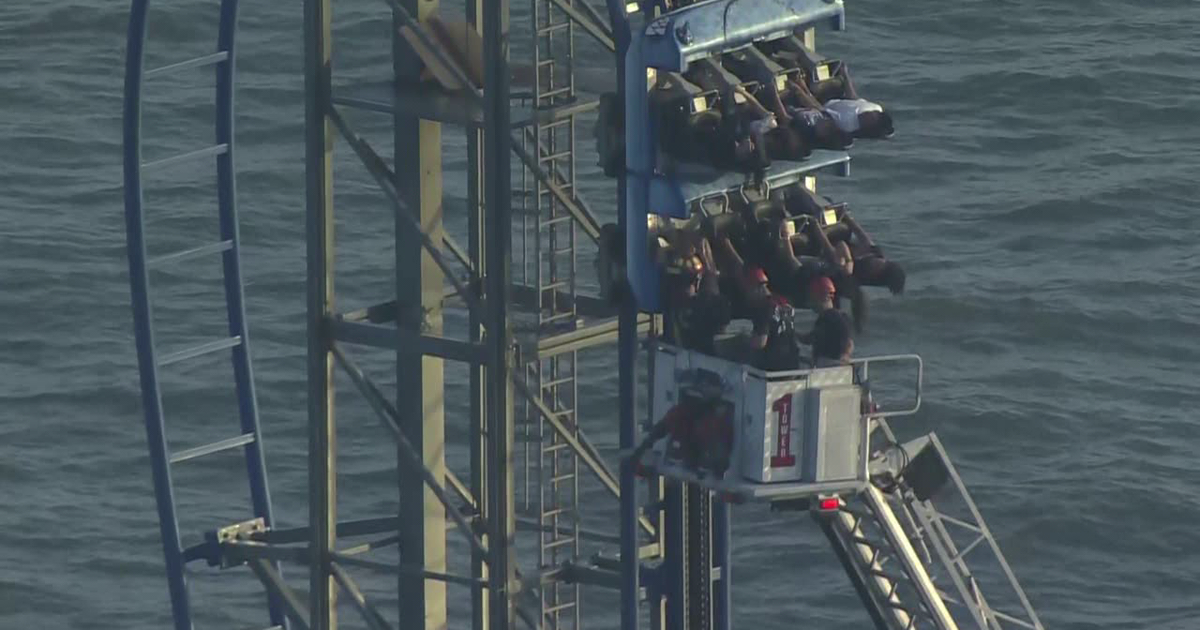
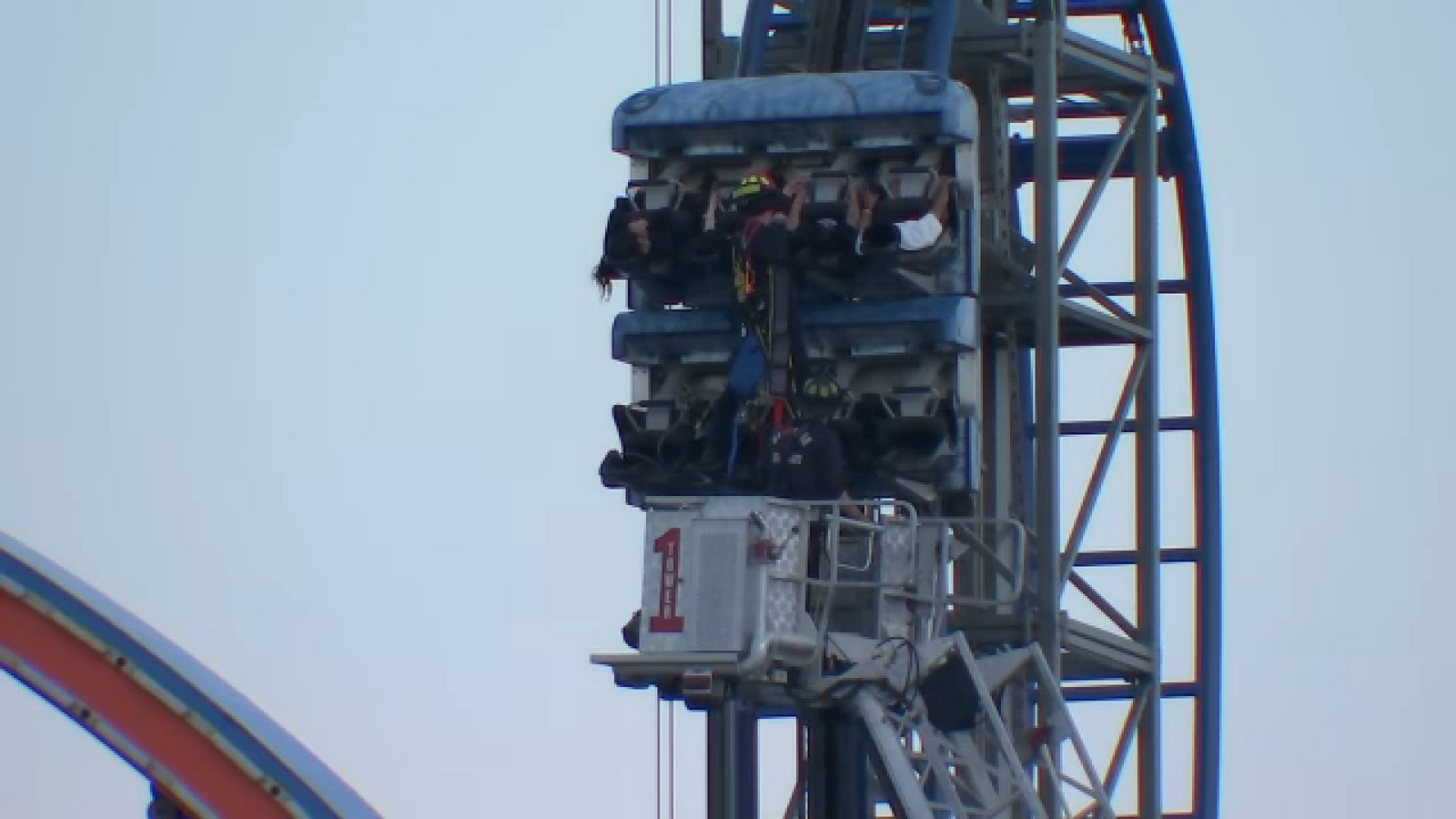
Eight students were successfully rescued after being stranded for several hours on the Iron Shark roller coaster at Pleasure Pier in Galveston, Texas. The incident, which saw riders suspended backward on the ride’s 100-foot vertical lift hill, necessitated a complex high-angle operation by the Galveston Fire Department.
This event immediately shifts focus to the operational resilience of amusement parks, the efficacy of emergency response protocols, and the broader implications for stakeholder accountability, ranging from ride operators and park owners to educational institutions organizing such excursions.
Emergency Response: Specialized Operations and Public-Private Interdependence
The Galveston Fire Department, led by Chief Mike Varela Jr., initiated the multi-hour high-angle rescue following reports of the stranded riders. The deployment of specialized teams and equipment, including Tower 1 engine, underscored the critical expertise and significant resource allocation required for such a precarious situation. Rescuing individuals from a high-altitude, backward-suspended position on a complex mechanical structure demands highly specialized training, meticulous coordination, and a level of technical proficiency that often exceeds the routine capabilities of private park safety teams.
This incident vividly illustrates the critical interdependence between private commercial enterprises and public emergency services. The indispensable role of municipal services in resolving a situation beyond the park’s internal scope raises pertinent questions about resource allocation, specialized training for unique rescue scenarios, and the financial burden on public entities when responding to incidents at privately owned attractions. It highlights the implicit social contract where public safety acts as the ultimate backstop for operational complexities and potential failures within the private sector.
Amusement Park Safety: Examining Operational Integrity and Regulatory Oversight
The Iron Shark roller coaster, a prominent attraction at Pleasure Pier owned by Landry’s Inc., became the focal point of an unplanned operational halt. Such incidents invariably trigger immediate internal reviews of maintenance logs, operational procedures, and emergency response plans by the park’s management. Simultaneously, this event will likely prompt an external examination of the ride’s operational integrity and the efficacy of its fail-safes. The investigation will assess whether the incident points to a mechanical failure, an operational lapse, human error, or an unforeseen circumstance, all within the context of state-level regulatory frameworks that mandate regular inspections and adherence to safety standards.
Beyond the immediate malfunction, the incident casts a spotlight on broader industry practices. It serves as a real-world stress test for existing safety protocols and emergency preparedness, potentially influencing future design considerations for high-thrill rides, the implementation of more robust predictive maintenance technologies, and enhanced monitoring systems across the leisure and entertainment sector.
Multi-Stakeholder Impact: Reputational, Financial, and Legal Dimensions
For Landry’s Inc., the owner of Pleasure Pier, the incident carries significant reputational, financial, and potential legal exposure. The temporary closure of the amusement park during the rescue operation resulted in immediate revenue loss, while extensive media coverage can profoundly influence public perception of safety, potentially impacting future attendance, brand trust, and investment. Investigations into the cause of the malfunction could lead to substantial repair expenses, increased insurance premiums, and potential liability claims from affected riders seeking compensation for distress or negligence. The financial impact extends beyond direct costs to include the long-term investment required to restore public confidence and potentially upgrade safety systems to mitigate future risks.
The Houston Independent School District (HISD), confirming the involvement of students from Energized for STEM Academy Middle School and STEM Academy High School, faces scrutiny regarding its duty of care for students on field trips. While grateful for the safe rescue, the district is compelled to undertake an internal review of its excursion policies, vendor vetting processes, liability waivers, and insurance coverage. This re-evaluation is critical to mitigate future risks, reassure parents, and uphold its educational mission, ensuring comprehensive due diligence for approving external activity providers.
Crisis Communication: Navigating Public Perception and Rebuilding Trust
The rapid dissemination of information through local news outlets, including live camera feeds and aerial views, underscored the immediate public interest and the imperative for transparent crisis communication. HISD’s prompt statement acknowledging the safety of students and staff was crucial in managing initial concerns from parents and the broader community. For the amusement park operator, a meticulously managed communication strategy is essential to address public anxieties, provide factual updates, and articulate concrete steps being taken to prevent recurrence. The narrative surrounding such events can significantly influence consumer behavior, regulatory responses, and ultimately, the long-term viability of the business, making proactive and empathetic communication a strategic imperative.
Broader Industry Implications: Elevating Safety Standards and Future Design
While specific to Galveston, this incident contributes to the ongoing discourse surrounding amusement park safety across the leisure and entertainment industry. Events of this nature often prompt broader discussions among industry associations, manufacturers, and regulators about best practices, technological advancements in ride safety, and emergency preparedness. It serves as a compelling case study, reinforcing the critical balance between delivering exhilarating experiences and ensuring uncompromising safety standards. The insights gleaned from this event may influence not only operational protocols but also the fundamental design principles for next-generation high-thrill attractions and advanced monitoring systems, fostering a safer entertainment landscape.
Conclusion: The Enduring Imperative of Safety and Strategic Investment
The successful resolution of the Galveston roller coaster incident, ensuring no serious injuries, marks the beginning of a prolonged period of scrutiny and adjustment for all involved parties. The imperative to rebuild and maintain public trust will drive significant operational and strategic decisions for Pleasure Pier and Landry’s Inc. Investment in advanced safety technologies, enhanced staff training, and transparent communication will be critical to demonstrating a renewed commitment to patron welfare. This incident serves as a potent reminder that in the high-stakes world of entertainment, safety is not merely a compliance issue but a foundational pillar of business continuity, ethical responsibility, and brand integrity.