
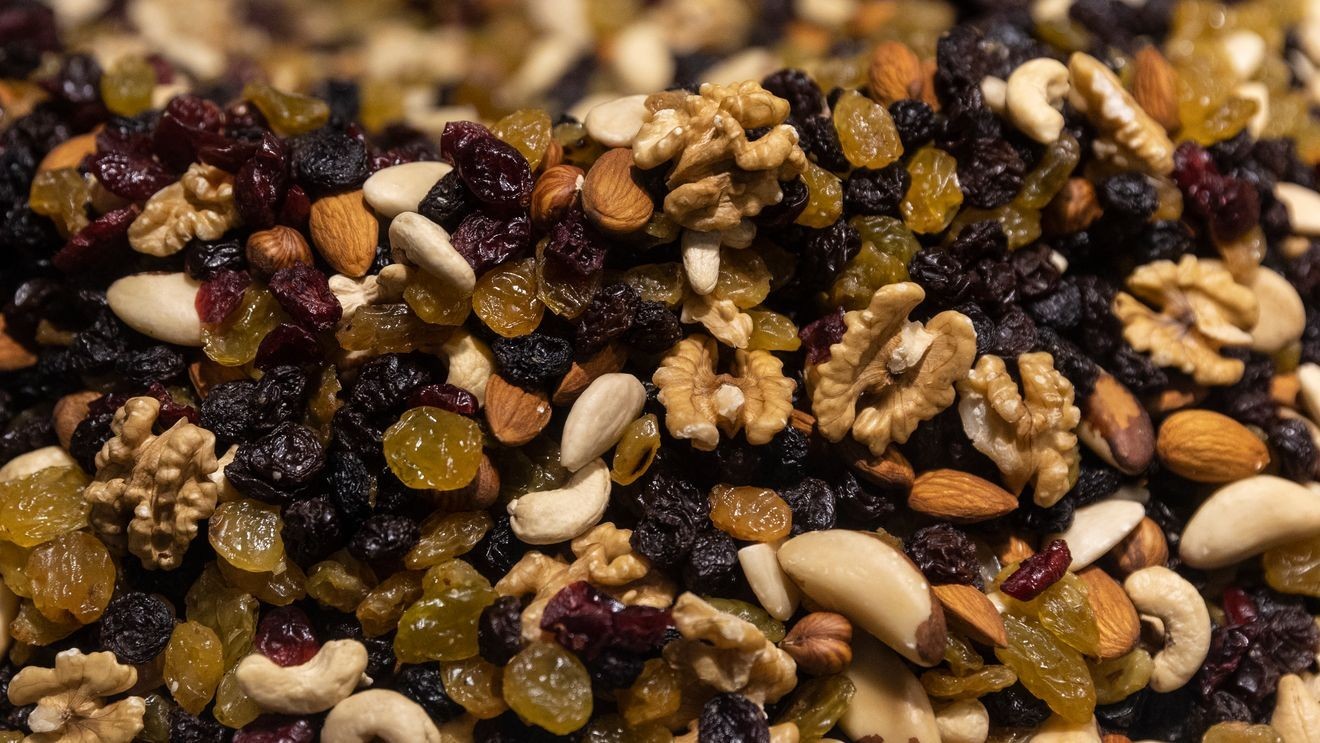
The recent nationwide recall of various nut products, encompassing prominent labels like Fisher, Squirrel Brand, Southern Style Nuts, and Target’s Good & Gather, starkly illustrates a critical systemic vulnerability within the industrialized food supply chain. This action, initiated following Food and Drug Administration (FDA) findings, directly links the contamination risk to a single ingredient supplier: California Dairies.
By identifying Salmonella-contaminated milk powder as the vector, the FDA has unequivocally exposed how a singular, upstream failure by a Tier 2 or Tier 3 supplier can trigger a cascading disruption across a diverse portfolio of national and private-label brands. This incident underscores the profound interdependence within the snack food sector, where specialized ingredients, such as milk-based seasonings, are often concentrated among a limited number of large-scale processors.
Single-Point Failure: The California Dairies Nexus
The recall unequivocally exposes the systemic fragility introduced by concentrated ingredient sourcing. California Dairies, a significant supplier, inadvertently became a critical single point of failure when Salmonella-contaminated milk powder entered the supply chain. This contamination, capable of enduring in low-moisture environments characteristic of nut products and seasoning blends, rapidly propagated across multiple brands, transforming a localized dairy issue into a nationwide public health concern. The structural risk is one of scale: a single compromised production batch at a major dairy cooperative can find its way into millions of individual retail units across the country, creating a massive liability tail for the primary manufacturer and complex logistical hurdles for downstream brands.
Strategic Erosion: Impact on Brand Equity and Retail Trust
For retailers like Target, the inclusion of its Good & Gather private label is particularly damaging. Private labels are strategic assets, built on perceived value and trust; a safety breach directly undermines brand equity and customer loyalty, disrupting carefully cultivated retail strategies. National brands such as Fisher and Squirrel Brand face immediate and substantial operational burdens, from managing complex reverse logistics—the costly retrieval and destruction of inventory from diverse distribution points—to deploying intensive crisis communications aimed at mitigating brand reputational damage. This disruption inevitably impacts the competitive landscape, potentially shifting consumer preferences and compelling retailers to re-evaluate ingredient sourcing for future risk mitigation.
Persistent Peril: The Long-Tail Challenge of Extended Shelf Life
The protracted “Best By” dates, extending as far as August 2027, represent a significant and enduring public health challenge. This extended shelf life means contaminated products will likely remain in consumer homes for years, demanding a sustained, multi-year public health campaign to ensure consumer awareness and compliance, far beyond the initial media cycle. This scenario stresses the critical need for advanced digital traceability systems that can identify and flag recalled items at any point, whether at point-of-sale or for return, throughout a product’s entire lifecycle. Standard recall procedures often struggle with such long-duration risks, requiring innovative approaches to sustained consumer engagement and institutional oversight.
Regulatory Imperative: FSMA, Traceability, and Preventative Controls
The FDA’s swift identification of California Dairies as the source underscores the growing efficacy of modern traceability frameworks, particularly under the Food Safety Modernization Act (FSMA). While the ability to rapidly pinpoint the origin is an improvement, the contamination’s occurrence at a foundational ingredient supplier highlights a critical failure in preventative controls at the point of origin. This incident will likely intensify regulatory scrutiny of dairy processing facilities, prompting re-evaluation of safety standards for ingredients incorporated into low-moisture, shelf-stable foods like nuts and trail mixes. This serves as a potent case study in the ongoing evolution of food safety mandates and their practical application.
Biological Resilience: Salmonella in Dry Goods and Public Health Risk
Salmonella’s capacity to persist, rather than multiply, in low-moisture environments like nuts and seasoning powders poses a unique and insidious public health threat. This biological resilience means contamination can endure for extended periods without visible degradation of the product, making detection and eradication challenging. The recall is a high-stakes public health intervention, particularly for vulnerable populations including young children, the elderly, and immunocompromised individuals, for whom Salmonella infections can be severe or even fatal. This incident underscores the absolute necessity for validated ‘kill-step’ processes and rigorous post-processing contamination controls at every stage of ingredient production to prevent such persistent hazards.
Economic Fallout: Liability, Subrogation, and Contractual Repercussions
The financial repercussions of this nationwide recall are profound and multi-faceted, encompassing massive reverse logistics costs, lost sales, inventory write-offs, and substantial brand devaluation. Financial liability will unequivocally flow upstream to California Dairies, triggering complex subrogation claims from affected brands and their insurers. This event will compel a comprehensive re-evaluation of contractual agreements across the supply chain, pushing for more stringent safety guarantees, higher indemnity clauses, and potentially diversified sourcing strategies to mitigate future single-point supplier risks. The complexity of these financial settlements can take years to resolve, involving multiple brands, retailers, and insurance entities.
Rebuilding Trust: Communication, Transparency, and Recall Fatigue
In an environment saturated with food safety alerts, the risk of ‘recall fatigue’ is significant, potentially diminishing public responsiveness to critical health warnings. Brands and regulatory bodies face the formidable challenge of maintaining consumer vigilance over an extended period. Rebuilding and sustaining institutional trust necessitates unparalleled transparency, clear and persistent communication of specific lot codes and ‘Best By’ dates—as seen in details for Fisher Tex Mex and Southern Style Gourmet Hunter Mixes—and a demonstrable commitment to root cause resolution. A perceived failure in managing this aftermath could result in enduring brand damage and a permanent erosion of consumer loyalty.
Conclusion: Advancing Supply Chain Resilience
This pervasive recall serves as a critical indictment of existing supply chain vulnerabilities, where efficiency gains have inadvertently created systemic risks. The imperative for the food industry is clear: pivot towards demonstrably more resilient, transparent, and digitally traceable supply chains. This mandates aggressive adoption of advanced technologies like blockchain for real-time visibility, alongside more rigorous third-party auditing and preventative controls for all ingredient suppliers. Ultimately, the success of the food safety ecosystem relies on the continuous improvement of both regulatory oversight and corporate responsibility. The cost of inaction, evidenced by this recall’s far-reaching economic and public health consequences, is simply untenable, demanding a paradigm shift in food safety governance and corporate responsibility.

Photo by philippedupuis0 on Pixabay.