WSL New Zealand Pro: Marine Wildlife Encounter Prompts ‘Code Red,’ Operational Scrutiny
The final day of the World Surf League’s New Zealand Pro event at Raglan’s Manu Bay faced an abrupt halt following a marine wildlife incident involving veteran water photographer Ed Sloane. Occurring during the men’s semi-finals, the event triggered an immediate ‘code red’ protocol—a critical institutional response designed to prioritize participant safety and manage unforeseen environmental hazards in open-water professional sports.
Sloane sustained puncture wounds to his ankle and had his flipper torn during the encounter. Medical teams swiftly transported him to hospital by ambulance, where he was reported to be in stable condition. Renato Hickel, WSL Vice-President of Tours and Competition, underscored the organization’s rapid response, confirming the ‘code red’ activation is specifically reserved for sea life attacks on personnel, emphasizing the WSL’s commitment to stakeholder welfare.
Ambiguity of Threat & Evolving Risk Assessment in Dynamic Marine Environments
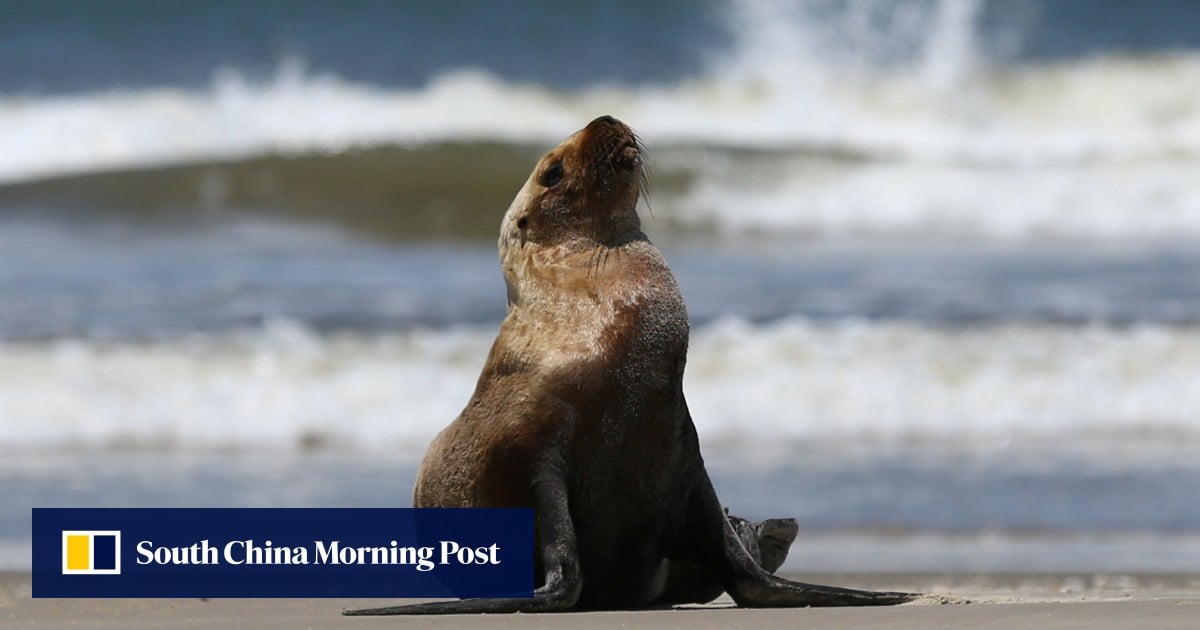
The identity of the marine creature remains unconfirmed, introducing significant ambiguity into the incident’s assessment. Initial speculation ranged from a shark to a sea lion, with the attending doctor leaning towards a sea lion, while lifeguards suggested a seal or a ‘soft-mouthed shark’ common to New Zealand waters, such as a Sevengill. This uncertainty complicates both immediate and long-term risk mitigation strategies, as different species imply varying threat levels.
The dismissive ‘seal commentary’ as ‘wishful thinking’—cited due to lack of recent sightings and the limited breath-hold capacity of New Zealand fur seals—highlights the pragmatic, evidence-based approach required for environmental data evaluation. Such incidents underscore the inherent unpredictability of marine ecosystems, where even perceived ‘less sharky’ locations like Raglan present persistent operational challenges compared to known high-risk zones like J-Bay.
Multi-faceted Impacts: Competitive Integrity, Operational Resilience & Reputational Management
Beyond the immediate medical response, the incident imposed a palpable psychological toll on competitors, with Yago Dora and Italo Ferreira reportedly “very shaken.” This disruption to athlete focus and mental state can compromise competitive integrity, reinforcing the critical link between environmental safety and fair play.
Operationally, the ‘code red’ activation and subsequent event halt carry substantial financial and logistical implications for the WSL. Delays threaten broadcast revenue, sponsor visibility, and increase rescheduling costs, thus testing the organization’s operational resilience and contingency planning capabilities. The incident serves as a real-world stress test for managing unforeseen crises while maintaining commitments to a global competitive schedule.
From a reputational standpoint, transparent communication, exemplified by Hickel’s immediate statements, is crucial. It reassures athletes, staff, sponsors, and the public that safety protocols are robust and effectively deployed, mitigating potential sensationalism and reinforcing the WSL’s image as a responsible global sports entity navigating the inherent risks of its natural arena.
Continuous Evolution of Safety Frameworks & Future Operational Adjustments
Incidents like this at Raglan are pivotal in the continuous evolution of professional surfing’s safety standards. While ‘code red’ systems are established, each event yields vital data informing refinements in marine surveillance, threat identification, and emergency response procedures. This iterative process of evaluating environmental risks, integrated with advancements in technology and marine science, is fundamental to enhancing long-term participant welfare and event viability.
The WSL’s operational model must perpetually adapt to the dynamic and uncontrollable nature of marine environments. This incident will undoubtedly prompt internal reviews, analyzing the effectiveness of activation protocols, communication channels, and medical response to identify areas for refinement. Such adjustments contribute to a collective knowledge base, strengthening future operational strategies and risk mitigation efforts across the diverse ecosystems of the professional surfing circuit.
Ultimately, the World Surf League New Zealand Pro incident underscores the enduring tension between competitive ambition and environmental realities. It reinforces that while the allure of pristine, dynamic venues is central to surfing, the inherent, unpredictable risks of marine wildlife necessitate an unwavering commitment to rapid response, robust safety frameworks, and continuous adaptation to ensure participant welfare and maintain industry trust.