Strategic Lifecycle Management in Premium Audio
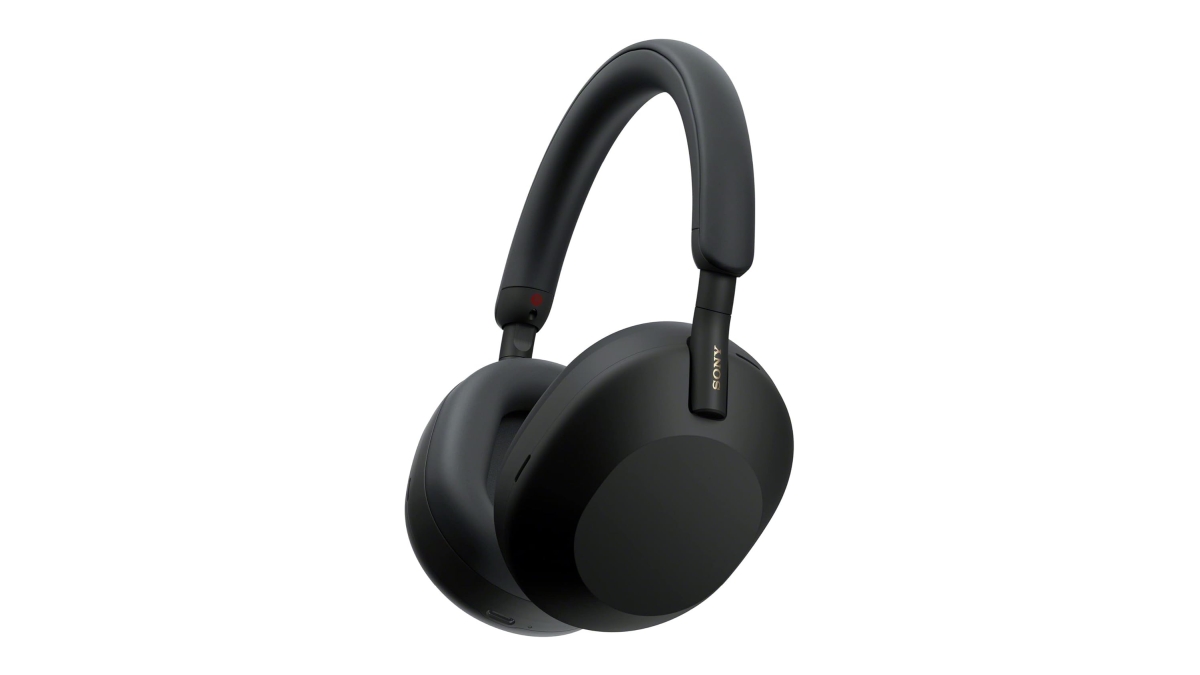
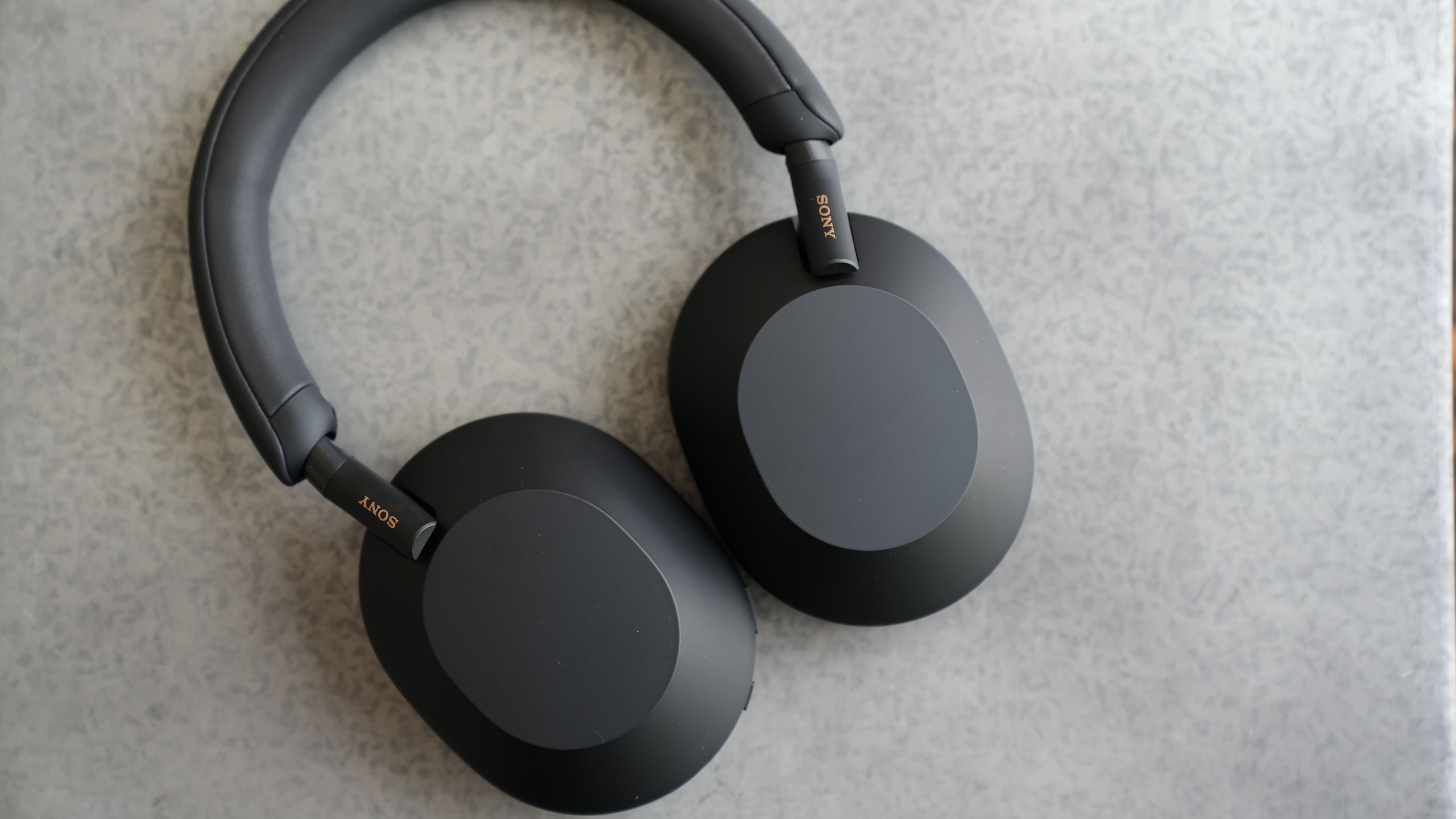
Sony’s current retail strategy for the WH-1000XM5 and XM6 demonstrates a sophisticated approach to inventory management and price segmentation. By discounting the XM5 to $248 during the Memorial Day cycle, Sony optimizes channel inventory clearance while maintaining the XM6 at a $398 premium. This $150 delta creates a distinct value proposition that captures both price-sensitive consumers and early adopters seeking the latest hardware.
Technical Evolution and Differentiation
The XM6 introduces the QN3 processor, which manages a 12-microphone array compared to the XM5’s eight. This transition toward computational audio allows for granular, real-time noise cancellation adjustments. Furthermore, the reintroduction of a folding mechanism in the XM6 addresses long-standing user feedback regarding travel utility, positioning form-factor as a key competitive moat against rivals like the Bose QuietComfort Ultra.
Retail Dynamics and Competitive Benchmarking
In a saturated market, aggressive promotional windows are essential for defending market share against Apple’s AirPods and Bose’s high-end offerings. The 38% price reduction on the XM5 is not merely a discount; it is a calculated tactical maneuver designed to saturate the mid-market segment before the XM6 reaches peak availability, ensuring Sony maintains a dominant presence across multiple price tiers.
Operational Efficiencies and Sustainability
Despite the increased computational load required by the QN3 processor, Sony has successfully maintained a 30-hour battery life. This stability indicates significant gains in power management and architectural efficiency. For the end-user, these refinements prioritize reliability in high-noise environments without requiring a trade-off in longevity, reinforcing the brand’s reputation for professional-grade audio consistency.
Long-term Market Implications
The coexistence of these models illustrates a deliberate effort to maximize consumer lifetime value. By segmenting the market, Sony mitigates the risk of cannibalization while sustaining R&D investment. As consumer electronics lifecycles continue to shrink, this dual-tier approach serves as a robust blueprint for balancing cutting-edge innovation with high-volume sales targets.