The Mechanics of Artificial Scarcity
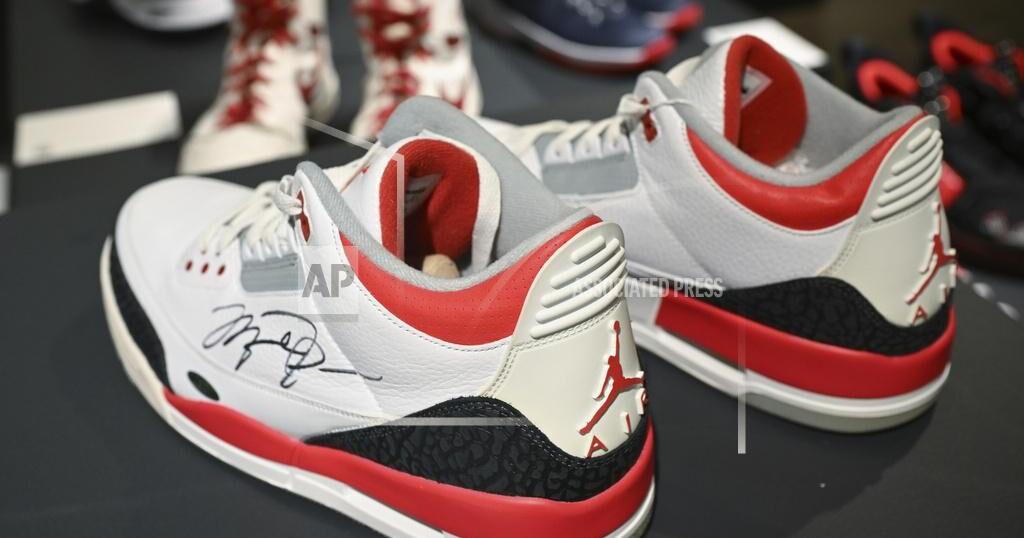
The secondary sneaker market functions as a sophisticated model of artificial scarcity. By maintaining a deliberate delta between consumer demand and circulating supply, brands like Nike and Jordan Brand preserve long-term brand equity. This controlled inventory flow ensures that products sustain a high perceived value, which in turn fuels the robust growth of resale platforms such as StockX.
This dynamic fosters a speculative feedback loop where the rarity of specific colorways serves as a catalyst for price appreciation. Market pricing, therefore, decouples from marginal production costs, shifting toward a valuation model based on collector sentiment and scarcity-driven investment metrics.
Strategic Valuation and Market Premiums
The sale of the Air Jordan 4 Wahlburgers for $26,000—representing a 12,281% premium over retail—exemplifies the volatility and capital appreciation potential within this asset class. These transactions are not mere anomalies; they signify the efficacy of scarcity-based marketing in repositioning footwear as a high-value alternative asset. For platforms like StockX, these data points validate a transition from simple retail to a structured, data-driven financial ecosystem.
The Institutionalization of Sneaker Culture
The professionalization of the resale market has successfully reclassified sneakers from consumer goods to tradeable, durable assets. This maturation is supported by secondary marketplaces providing authentication protocols that mitigate the risks of high-value private transactions. Consequently, the market has expanded to include institutional-level collectors who rely on market transparency and data analytics to assess liquidity and long-term value retention.
Systemic Implications for Retail
The significant spread between primary retail prices and secondary market clearing prices highlights a structural inefficiency in traditional distribution. Recognizing this, brands are increasingly adopting direct-to-consumer strategies to capture a portion of the value previously ceded to third-party resellers. As this industry evolves, the tension between brand-controlled distribution and market-driven price discovery will likely intensify, redefining the future landscape of collectible assets.