The establishment of the $1.8 billion Anti-Weaponization Fund represents an unprecedented juncture in federal administrative settlement frameworks. Derived from the resolution of a $10 billion lawsuit brought by Donald Trump against the Internal Revenue Service (IRS), this administrative vehicle bypasses traditional Title 31 congressional appropriations to compensate individuals alleging targeted federal lawfare. This structural design has prompted rigorous scrutiny from public finance economists, constitutional scholars, and oversight bodies evaluating its administrative legitimacy.
The Legal and Financial Architecture of the Settlement
The transition from a $10 billion private civil action to a $1.8 billion government-administered compensation pool highlights the strategic utilization of executive settlement authority. Under terms brokered by the Department of the Treasury and the IRS, this agreement converts discrete personal and political grievances into a generalized federal program. Observers note that resolving active litigation through large-scale compensatory trusts—rather than direct, audited restitution to specified plaintiffs—signals a fundamental paradigm shift in how federal agencies address systemic claims of administrative overreach.
The Role of Treasury and IRS Leadership
Executing the terms of this complex settlement falls directly under the purview of Treasury Secretary Scott Bessent and IRS CEO Frank Bisignano. Both executives must navigate the logistical challenges of establishing standardized administrative criteria to define and verify “weaponization” without compromising their agencies’ institutional neutrality. Their implementation protocols will dictate how claims are vetted, how disbursements are audited, and how the fund maintains compliance with federal fiduciary standards.
Administrative Precedents in Tax Enforcement
The settlement’s most controversial feature is an addendum terminating all active IRS audits of Donald Trump, his immediate family, and their associated corporate entities. Standard tax enforcement protocols typically insulate audit procedures from civil litigation settlements to preserve the integrity of the voluntary compliance model under IRC Section 7602. By allowing judicial compromise to override statutory investigative mandates, this agreement introduces a novel mechanism for high-net-worth taxpayers to resolve active regulatory investigations through global executive settlements.
Implications for Institutional Neutrality
A non-partisan, objective enforcement posture is essential to the operational efficacy of the IRS. By codifying audit terminations within a broader public compensation vehicle, this agreement risks introducing strategic moral hazards into corporate and high-net-worth tax planning. Furthermore, this model alters the defensive calculus of federal regulatory agencies when confronted with high-profile litigation, potentially complicating long-term enforcement consistency and field auditor morale.
Legislative Oversight and Constitutional Friction
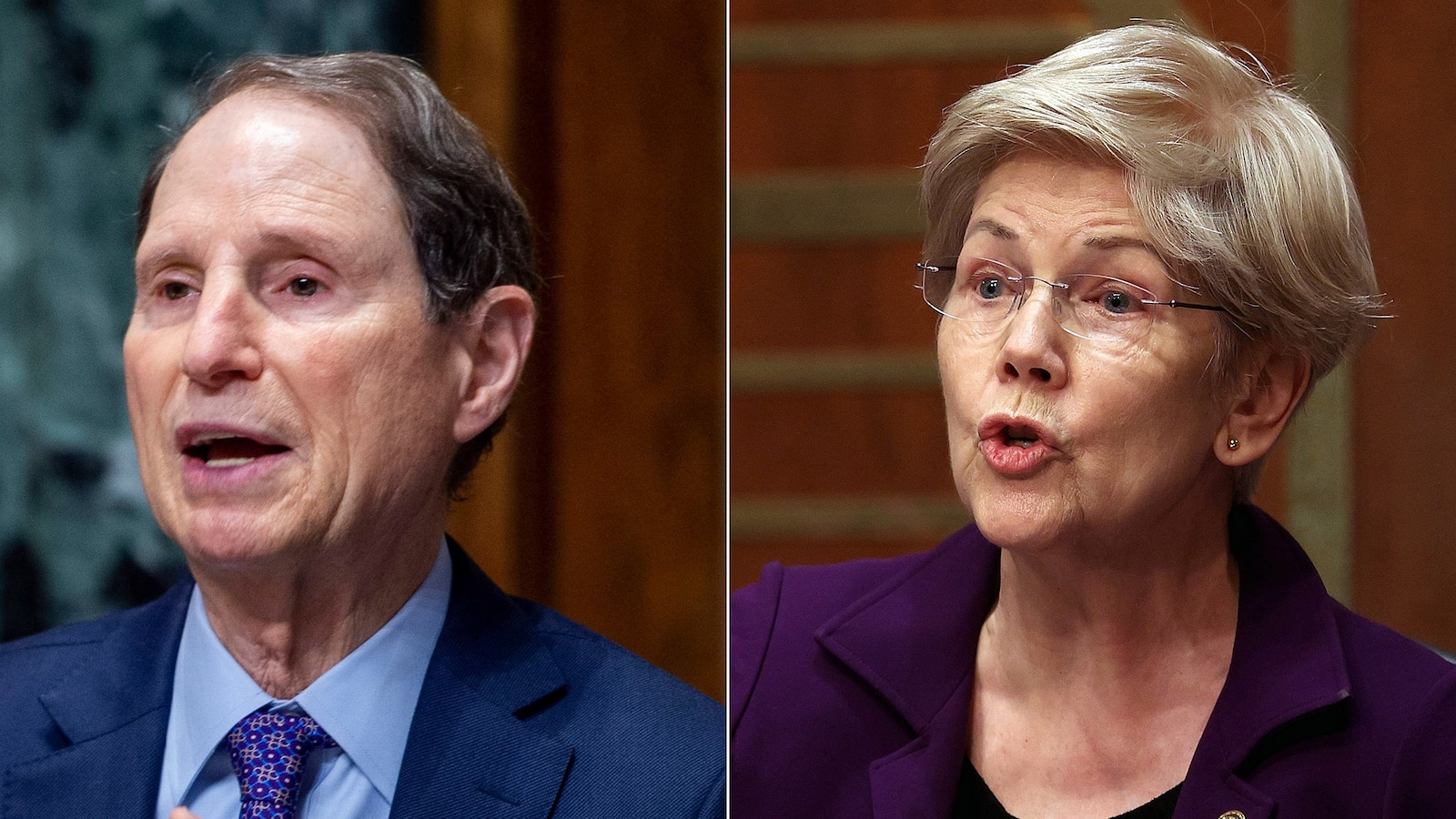
The creation of a $1.8 billion fund independent of congressional appropriation has triggered significant friction between the executive and legislative branches. Senate Finance Committee ranking member Ron Wyden and Senate Banking Committee ranking member Elizabeth Warren have initiated a formal inquiry, demanding the legal and statutory justifications underpinning the fund’s establishment and the audit-termination addendum.
The Scope of Congressional Inquiry
The legislative inquiry focuses on potential violations of the Antideficiency Act and the Separation of Powers doctrine. Lawmakers are demanding granular transparency regarding the economic valuation models used to establish the $1.8 billion figure. This oversight battle will likely determine whether the executive branch can continue utilizing broad settlement authorities to establish self-funding administrative structures, or if legislative remedies will be introduced to curtail such discretionary spending.
Individual Claimants and the Economics of Judicial Outcomes
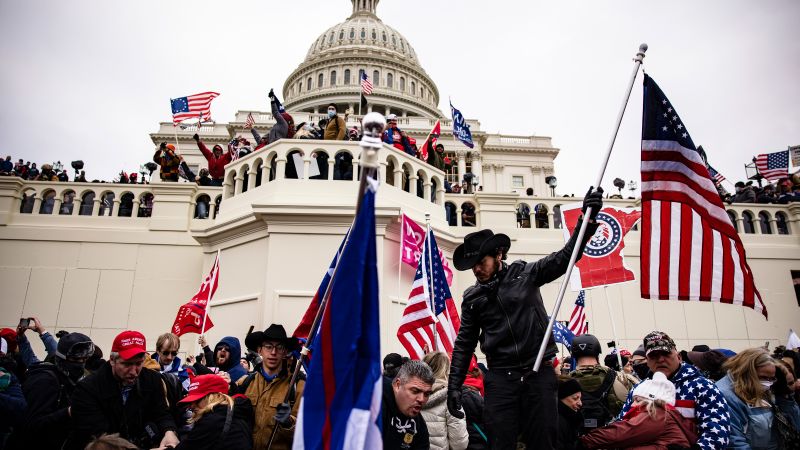
The fund’s prospective claimant pool includes individuals prosecuted in connection with the events of January 6, 2021, and prominent election challengers who argue they suffered disproportionate socio-economic harm from federal law enforcement. By establishing a public fund to offset the financial externalities of criminal prosecutions, the settlement introduces a novel financial element to the federal judicial system.
Dominic Box, a convicted January 6 defendant who received a presidential pardon after serving eighteen months in pre-trial detention, has announced his intent to apply for compensation. Box’s case illustrates the fund’s potential to act as an executive-administered financial safety net, offsetting systemic career and economic disruptions following federal prosecution. This integration of monetary restitution with executive clemency redefines the traditional scope of administrative remedies.
The Financialization of Legal Grievances
Providing state-funded financial redress to individuals prosecuted under federal law alters the traditional risk-reward calculus of civil disobedience. This dynamic could systematically influence future legal strategies in politically sensitive trials, as defendants anticipate post-conviction financial mitigation through executive-controlled compensation vehicles.
Corporate Exposure and the Mitigation of Market Sanctions
Beyond individual litigants, the fund has attracted interest from corporate entities claiming substantial commercial damage due to politically motivated federal investigations. Mike Lindell, CEO of MyPillow, stated his company incurred approximately $400 million in losses from commercial boycotts, legal defense costs, and federal investigations, including inquiries by the Federal Bureau of Investigation (FBI).
Seeking federal compensation for market-driven losses represents a significant departure from standard corporate risk management, where enterprises typically absorb the financial consequences of political advocacy. Utilizing the Anti-Weaponization Fund to mitigate private corporate losses establishes a highly irregular precedent wherein the federal government acts as an insurer against market-based penalties and consumer reactions.
The Interplay of Political Advocacy and Corporate Risk
The MyPillow case highlights the financial risks associated with executive political advocacy and subsequent brand exposure. If the fund’s administrators approve corporate claims for market-induced losses, it will raise critical questions regarding market fairness and the equitable distribution of public capital to private commercial entities. Financial analysts will monitor how the Treasury establishes boundaries between government-inflicted harm and standard commercial market risks.
Systemic Implications for Federal Governance
The $1.8 billion Anti-Weaponization Fund and its corresponding audit-termination clauses represent a paradigm shift in federal governance. By linking private litigation settlements with public compensation frameworks, this mechanism challenges established boundaries between personal disputes and public administrative law. The execution of this fund will provide critical indicators regarding the future limits of executive settlement authority and the resilience of institutional checks and balances in federal administration.